Identification of Glycoprotein Biomarkers in Cancer
Glycoprotein biomarkers are a group of glycoproteins involved in pathological processes, which can be used as indicators of certain diseases in the clinic. Caner is one of the most fatal diseases all over the world. As a senior biology company, Creative Biolabs has committed to cancer research including biomarkers identification for many years. We purpose to offer a series of services on the identification of glycoprotein biomarkers in cancer, with our highly specialized equipment and experienced expert staff.
Background of Glycoprotein in Cancer
Cancer is a kind of disease characterized by abnormal cell growth with the potential to invade or spread to other parts of the body. The high mortality of cancer mainly results from late detection, and better survival rates are correlated with earlier detection. Biomarkers identification that can detect cancer early and discriminate a given type of cancer from other diseases is extraordinarily beneficial for cancer patients. Encouragingly, certain links between cancer and altered glycoprotein have been noted for several years.
Aberrant protein glycosylation is the well-known hallmark of cancer and represents a promising source of potential biomarkers. Glycoproteins or protein glycosylation shows an extremely function not only in various biological processes but also on the progression and treatment for cancers. Correspondingly, metabolic dysfunctions and cancer states may be reflected in the appearance of abnormal glycoproteins.
P-glycoprotein as a Cancer Biomarker
Cancer biomarkers are substances produced by the tumor or other cells in response to benign or malignant conditions, which used to help detect, diagnose and manage certain types of cancer. Current researches mainly reveal that P-glycoprotein is relatively important in breast cancer and multidrug resistance. P-glycoprotein, also known as multidrug resistance protein 1 (MDR1), is an important protein of the cell membrane that pumps many foreign substances out of cells. A certain proportion of P-glycoprotein expression can be detected in breast cancer. The p-glycoprotein expression is increased after exposure to chemotherapeutic drugs and result in a worse response to treatment. Consequently, P-glycoprotein represents a potential biomarker of drug resistance.
Other Glycoprotein Biomarkers in Cancer
Most cancer biomarkers that have been approved are single proteins derived from serum, and the majority of these proteins are glycosylated identified by modern biological technologies. Several identified glycoprotein biomarkers are listed as follows:
-
CA 125, an antigenic determinant on a high-molecular-weight glycoprotein, is a documented marker for ovarian cancer.
-
Serum glycome and tumor transcriptome study of breast cancer identified tri antennary trigalactosylated trisialylated glycans in serum as being associated with lower levels of tumor transcripts, which can act as potential glycoprotein biomarkers for breast cancer.
-
CA 15-3 is a useful breast cancer biomarker especially for monitoring patients in evaluating the recurrence of the disease.
-
Total prostate-specific antigen in serum and urine has been utilized for diagnosis and monitoring of prostate cancer since 1986.
-
CA 19-9, haptoglobin, and α (1, 6)-fucosyltransferase also have been used as a pancreatic cancer biomarker. The carcinoembryonic antigen can be used as a biomarker in colorectal, bladder, breast, pancreatic and lung cancer.
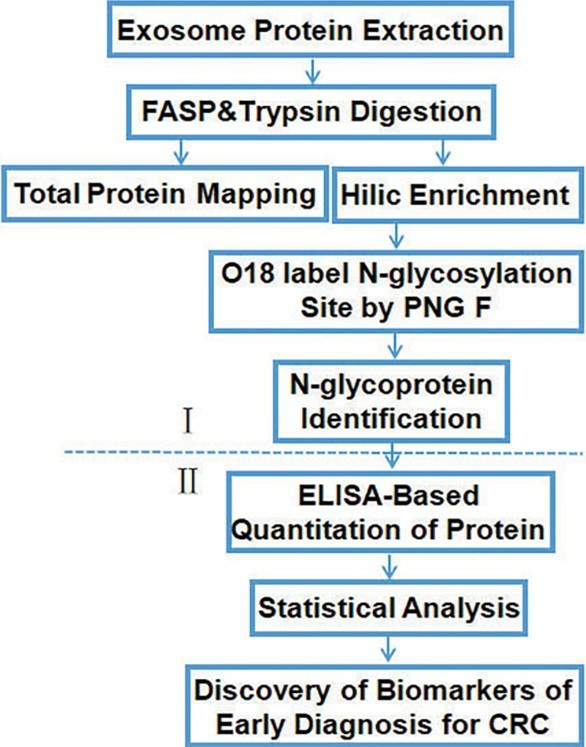 Fig.1 Identification and quantification of specific glycoproteins in colorectal cancer (CRC).1
For glycoprotein research, Creative Biolabs has successfully identified several biomarkers in cancers. We are so excited to offer our professional services to help you get landmark development. If you are interested in the identification of glycoprotein biomarkers in cancers, please just feel free to contact us for more detailed information.
Reference
-
Sun, Zujun, et al. "Proteomics-based identification of candidate exosomal glycoprotein biomarkers and their value for diagnosing colorectal cancer." Frontiers in Oncology 11 (2021): 725211. Distributed under Open Access license CC BY 4.0, without modification.
For Research Use Only.
Resources