From sample handling to final data interpretation, we provide complete glycosylation profiling solutions.


There is no product in the shopping cart, buy it!
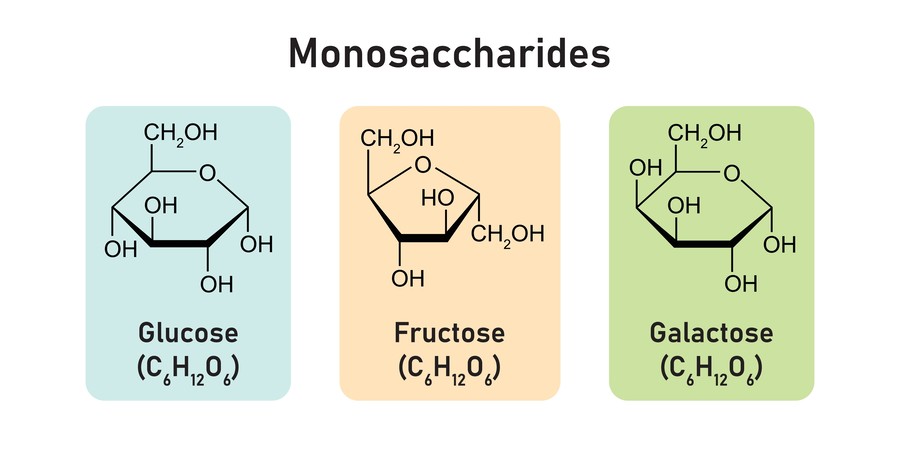
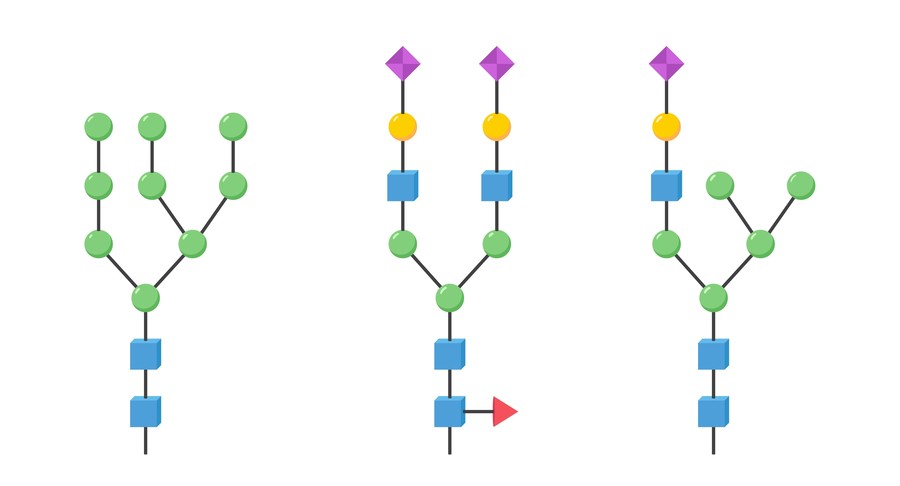
Glycosylation is really something important in our cells. It's a post-translational modification (and sometimes it happens during translation too). What it does is that carbohydrates, or glycans as we call them, get attached to proteins, lipids, or other organic molecules with the help of enzymes. These enzymes are called glycosyltransferases, and they make glycosidic bonds between the glycans and the target molecules. There are different types of protein glycosylation. The two most common ones are N-linked and O-linked glycosylation. But there are also other types like C-linked glycosylation, phosphoglycans, and glypiation (GPI anchors). All these different kinds make the world of glycan modifications super complex. This modification is a big deal in a whole bunch of cellular processes. It affects how proteins fold up, keeps them stable, helps cells communicate with each other, and even plays a part in our immune system.
We offer detailed N-glycan profiling using LC-MS/MS and enzymatic mapping, enabling precise analysis of glycan composition, site occupancy, and structural variants in biologics.
Our platform specializes in mucin-type O-glycan characterization, using advanced β-elimination and mass spectrometry to resolve core structures and disease-relevant glycoforms.
We lead in GlycoRNA and DNA glycosylase research, integrating immunoprecipitation, RNA-seq, and enzymatic assays to reveal novel glyco-regulatory mechanisms in epigenetics and immunity.
We quantify Fc glycosylation patterns critical to ADCC/CDC using capillary electrophoresis and MS, ensuring glycoform control in antibody development and lot-to-lot consistency.
Our team resolves complex glycoconjugates—glycolipids, proteoglycans, and LPS—using TLC, GC-MS, and NMR, supporting microbiology, vaccine, and lipidomic research with structural clarity.
We provide high-throughput glycan profiling using lectin microarrays and MALDI-TOF. This enables biomarker screening and allows for rapid sample turnaround in large-scale studies.
We provide targeted glycosylation inhibition assays using specific blockers, ideal for functional studies in oncology, infection, and glycosyltransferase validation.
Great Minds Choose Creative Biolabs










From sample handling to final data interpretation, we provide complete glycosylation profiling solutions.

Our labs are equipped with the latest analytical technologies.

Our scientists are highly experienced in glycomics and protein biochemistry.

We tailor our services to meet the specific requirements of your research or product development.
Glycosylation plays a critical role in molecular function. Variations in glycosylation patterns are associated with diseases such as cancer, autoimmune disorders, and infectious conditions.
In biopharmaceuticals, especially antibodies and therapeutic proteins, glycosylation is a key quality attribute. Accurate analysis ensures safety, efficacy, and regulatory compliance.
Glycan structures serve as biomarkers for disease detection and progression. For example, glycosylated hemoglobin (HbA1c) levels are a key clinical metric for monitoring long-term glucose control in diabetes.
In biologics manufacturing, glycosylation analysis is vital to ensure batch-to-batch consistency
Fig.1 Abnormal glycosylation in disease.1
Our glycosylation analysis services are applicable to a variety of biomolecules, including:
We analyze glycosylation of serum immunoglobulins and total serum to support biomarker discovery and immune-related research.
We profile glycoproteins from saliva or urine for non-invasive diagnostics and disease-related glycosylation studies.
We characterize glycosylation of therapeutic recombinant proteins to ensure structural integrity, efficacy, and production consistency.
We analyze crude or semi-purified protein extracts to support early discovery and glycan-related functional studies.
We examine glycan profiles of exosomes to support studies in cancer, regenerative medicine, and intercellular communication.
We analyze plant-derived proteins for unique glycosylation patterns in food, vaccine, and agricultural biotechnology research.
We perform glycan profiling on animal tissues for preclinical research, pathology studies, and organ-specific glycosylation analysis.
We assess glycosylation in cell lines and membranes for applications in biologics development, quality control, and glycoengineering.
At Creative Biolabs, we follow a streamlined, client-centered workflow to ensure your glycosylation analysis needs are met with the highest level of precision, compliance, and scientific integrity.

First, have a chat with our experienced scientific consultants. Share your project goals, whether it's for early discovery or regulatory stuff. If needed, we'll quickly sign a CDA or MSA to protect your ideas.
After the talk, we'll send you a detailed study plan and a formal quote. Once you okay the plan and send a PO, you can send your samples as per our instructions. Our logistics team will handle it smoothly, no matter if you're local or international.
When we get your samples, we'll check their quality. Our labs are loaded with cool tech like HPLC, CE, and more. We can do standard or custom analysis, including glycosylation profiling. We make sure every experiment is super sensitive, accurate, and can be repeated.
We use advanced bioinformatics tools to analyze the raw data for glycan identification and more.
You'll get a customized report that's perfect for your use, whether it's for publishing, R&D, or regulations. It has all the data, figures, and interpretations.
| Classification | Technology | Description |
| Liquid Chromatography Techniques | HPLC | Used in glycosylation analysis to separate and quantify glycans based on size, polarity, and other physicochemical properties. |
| HPAEC-PAD | Applied in glycosylation analysis to detect and quantify acidic and neutral glycans, especially useful for monosaccharide mapping. | |
| RP-HPLC | Supports glycosylation analysis of derivatized glycans, especially in evaluating hydrophobic glycan species and retention behaviors. | |
| UHPLC/FLD/Q-TOF | Combines fluorescence detection with high-resolution Q-TOF MS, offering sensitive and detailed glycosylation analysis in complex mixtures. | |
| Mass Spectrometry Techniques | MS | Widely used in glycosylation analysis for comprehensive identification and quantification of glycan structures with high sensitivity and resolution. |
| LC-ESI-MS | Essential for glycosylation analysis, combining chromatographic separation with MS to characterize complex glycan structures and compositions. | |
| MALDI-TOF MS | Ideal for rapid glycosylation profiling, enabling detection of glycan mass and composition across diverse biological samples. | |
| Other Spectroscopy Techniques | NMR | Provides atomic-level insights in glycosylation analysis, especially useful for determining glycan linkages and structural conformations. |
| Classification | Technology | Description |
| Glycobiology Microarray | Lectin Microarray | Used in glycosylation analysis to profile glycan-binding interactions with lectins, enabling functional glycome mapping. |
| 100 N-Glycan Microarray | Specialized for N-linked glycosylation analysis, facilitating high-throughput identification of N-glycan structures and variants. | |
| Glycopeptide Microarray | Enables glycosylation analysis at the glycopeptide level, supporting detailed mapping of glycosites and attached glycan structures. | |
| Biosensing and Cellular-Level Analysis (For Real-Time Glycosylation Monitoring) | SPRi | Facilitates real-time glycosylation analysis through label-free detection of glycan-ligand interactions on sensor surfaces. |
- Fine-tuning glycosylation profiles of therapeutic proteins and antibodies.
- Identifying and validating glycan-based biomarkers.
- Investigating the biological roles of glycans in cellular and molecular processes.
- Supporting the development and validation of glycosylated hemoglobin (HbA1c) assays.
There are quite a few types of glycosylation, and each one does something unique. The main ones are N-glycosylation, O-glycosylation, C-glycosylation, and GPI-anchor attachment. N-and O-glycosylation are the most common, and they're super important for things like protein folding, keeping proteins stable, and helping cells interact with each other. C-glycosylation might not be as well-known, but it's really important for certain proteins like mucins. GPI-anchoring helps attach proteins to the cell membrane. At Creative Biolabs, our team is ready to help you with each of these glycosylation types. We can customize our services to fit your exact research needs, so just let us know what you're looking for!
Testing for glycosylation is no simple feat, but we've got it covered! We use a bunch of really cool and advanced techniques. Mass spectrometry (MS), liquid chromatography (LC), lectin microarray, and glycan mapping are our go-to methods. These are super important because they let us zero in on glycosylation sites and figure out the structures precisely. Here at Creative Biolabs, we're really proud of our top-of-the-line technologies. We use them to do thorough glycosylation profiling and functional analysis.
Glycosylation is a big deal when it comes to keeping proteins stable. It also helps make proteins more soluble and keeps them in their active forms. What's more, glycan modifications can change how proteins move around in the cell, how they break down, and even how they interact with other molecules. That's why at Creative Biolabs, we offer glycosylation services that are all about making proteins work better. Whether you're developing therapeutic proteins or just want to understand protein function better, our services can give you the support you need.
Reference





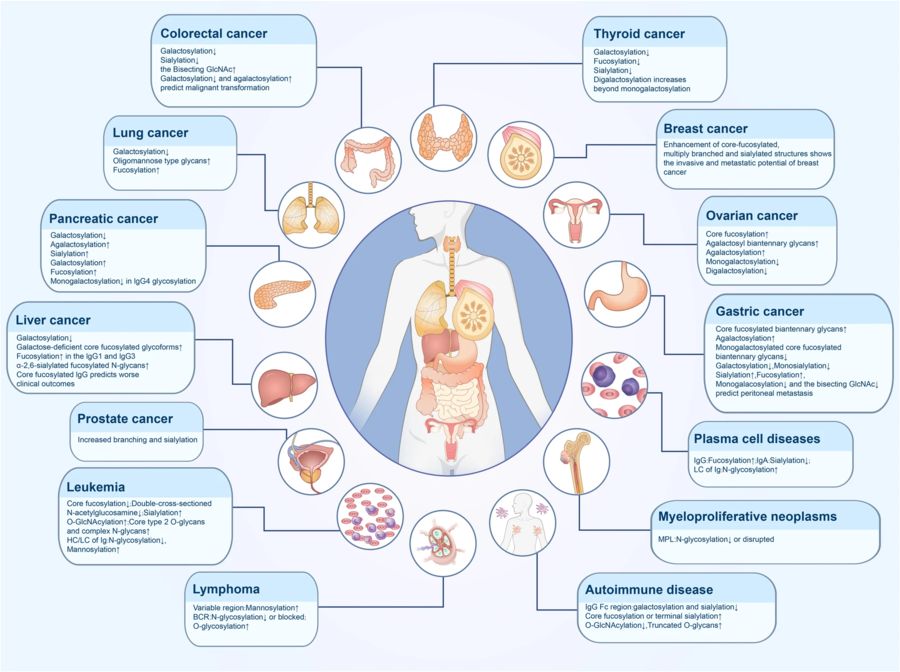 Fig.1 Abnormal glycosylation in disease.1