Glycolipid Engineering Service
Glycolipids, a unique class of glycosylated lipids, are critical components of cellular membranes and signaling interfaces. Their amphiphilic structure, consisting of carbohydrate headgroups and hydrophobic lipid tails, not only mediates membrane dynamics but also modulates immune recognition, pathogen interactions, and intercellular communication. With growing interest in glycofunctionalized therapeutics, diagnostics, and biomaterials, engineering custom glycolipids has become a powerful approach for precise molecular tailoring. At Creative Biolabs, our glycolipid engineering service provides integrated, high-performance solutions for the synthesis, structural modification, and functional characterization of glycolipids across research, diagnostic, and preclinical development pipelines.
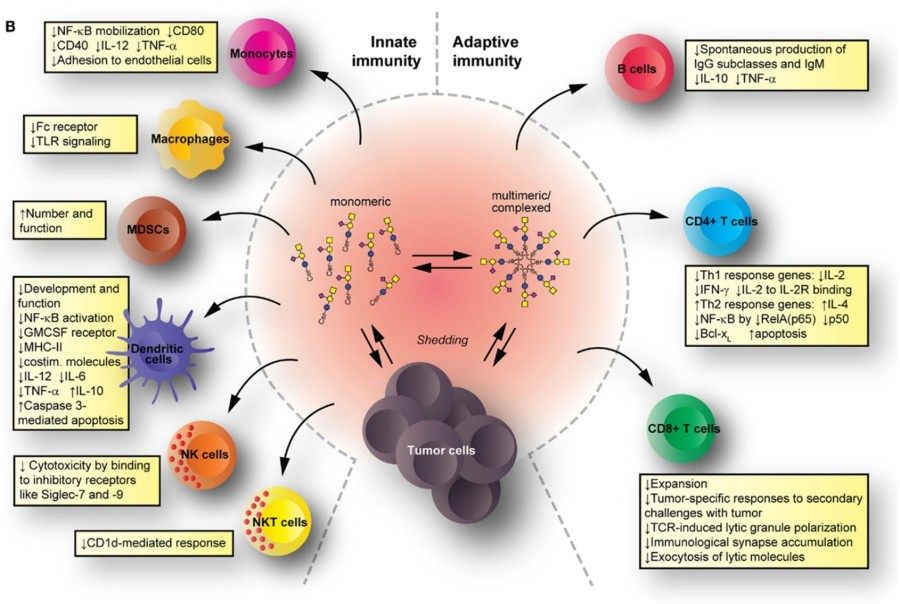 Fig.1 Glycolipid-driven immune modulation.1
Glycolipid Engineering Service Overview
Our flexible and modular service framework supports both single-component and multivalent glycolipid designs tailored for complex biological functions and formulation requirements.
|
What We Offer
|
Key Applications
|
|
Custom glycolipid synthesis
|
Immunomodulatory therapeutics
|
|
Enzymatic or chemoenzymatic glycosylation
|
Lipid-based vaccine adjuvant design
|
|
Glycolipid modification and derivatization
|
Antimicrobial and antibiofilm material development
|
|
Lipid glycosylation site optimization
|
Targeted drug delivery systems
|
|
Glycolipid profiling and quantification
|
Glycan-functionalized nanomaterials
|
We support de novo synthesis of glycolipids including:
-
Rhamnolipids, sophorolipids, trehalolipids, mannosylerythritol lipids
-
Synthetic glycosylceramides and glycosylphosphatidylinositols (GPI anchors)
-
Tailored acyl chain length, glycosidic linkage types, and headgroup sugar structures
Our synthesis workflows include microbial biosynthesis (e.g., Pseudomonas, Candida, Ustilago) for native or engineered glycolipids, and total chemical synthesis routes, including isotopically labeled and clickable lipid analogs for advanced bioconjugation strategies. Interested in custom structures or unusual glycoforms? Contact our specialists to discuss feasibility and lead times.
Glycosylation Site Design & Lipid Scaffolds
We offer structure-guided optimization of lipid substrates to enhance glycosylation efficiency and biological functionality:
-
Selection and screening of lipid backbones (e.g., ceramide, phospholipids, cholesterol derivatives)
-
Strategic incorporation of reactive handles or recognition motifs for site-directed glycosylation
-
Engineering of glycolipid moieties on liposomes, solid lipid nanoparticles, polymers, or self-assembled monolayers
Our design process ensures compatibility with host cell glycosylation machinery or with downstream chemoenzymatic remodeling steps. If you have a specific scaffold in your mind, we are willing to help you engineer and test its compatibility with your glycosylation goals.
Chemoenzymatic Remodeling & Derivatization
Our post-synthetic functionalization workflows enable:
-
Remodeling of natural glycolipids using highly selective glycosyltransferases and glycosidases
-
Installation of terminal fucose, sialic acid, galactose, or modified sugar residues
-
Introduction of azido, alkyne, biotin, or fluorescent groups for conjugation or tracking
These bio-orthogonal derivatizations maintain native glycolipid orientation and function while enabling downstream coupling to peptides, proteins, polymers, or surfaces. If you are looking to functionalize your lipids post-synthesis, please do not hesitate to ask about our chemoenzymatic remodeling kits.
Glycolipid Analysis & Profiling
Equipped with an advanced glycan analysis platform, we support complete structural validation and functional performance analysis:
-
MS-based analysis (MALDI-TOF, LC-MS/MS), NMR spectroscopy, and glycan release profiling
-
HPLC or TLC-based purity and identity verification
-
Surface tension, micelle formation, and critical micelle concentration (CMC) assays
-
Lipid bilayer insertion and vesicle stability studies
-
Glycan recognition profiling via lectin arrays and cell-based assays
Need analytical support only? Our profiling service is available as a stand-alone offering.
Highlighted Applications
Glycolipid-Based Antimicrobial and Antibiofilm Agents
Custom glycolipids such as mono- and di-rhamnolipids and sophorolipids have demonstrated potent effects against bacterial and fungal biofilms, particularly on abiotic surfaces in healthcare and food systems. We assist with:
-
Chain length/glycosidic linkage optimization for biofilm disruption
-
Incorporation into antimicrobial coatings, hydrogels, or emulsions
-
Activity screening against multidrug-resistant (MDR) strains or environmental pathogens
Immunomodulatory and Adjuvant Design
Microbial glycolipids structurally resemble pathogen-associated molecular patterns (PAMPs), activating host PRRs like TLR2, Mincle, or Dectin-1. We develop:
-
Glycolipid analogs with selective immune-stimulatory profiles
-
Lipid antigens for CD1d-restricted NKT cell activation
-
Carriers that co-deliver antigens with glycolipid adjuvants
Glycolipid-Functionalized Nanocarriers
We functionalize nanocarriers with glycolipids to exploit receptor-mediated uptake and enhance tissue targeting. Applications include:
-
Liposomes with ganglioside mimics for brain or immune cell targeting
-
Solid lipid nanoparticles (SLNs) with mannosylated lipids for dendritic cell uptake
-
PEGylated glycolipids for stealth delivery with immune-modulating properties
Why Choose Creative Biolabs?
-
Full-spectrum support: from design and synthesis to purification and validation
-
Multidisciplinary team with expertise in glycobiology, lipid chemistry, and nanotechnology
-
Batch-to-batch reproducibility and scalable production models
-
Flexible contract models for R&D, diagnostic development, and preclinical validation
How to Start Your Project?
-
Send us your project requirements to receive a customized quote within 48 hours
-
Schedule a free consultation with our experts to discuss optimal scaffold design and strategy
-
Inquire about our pilot production service for milligram-to-gram scale validation batches
Let Creative Biolabs accelerate your glycolipid research and innovation. We help you move from concept to application with confidence. Contact us today to speak with a specialist.
FAQs
What types of glycolipids can Creative Biolabs synthesize?
Creative Biolabs offers comprehensive synthesis of various glycolipids, including but not limited to:
-
Rhamnolipids
-
Sophorolipids
-
Trehalolipids
-
Mannosylerythritol lipids
-
Glycosylceramides
-
Glycosylphosphatidylinositols (GPI anchors)
Our synthesis approaches encompass both microbial biosynthesis and chemical synthesis methods. We also provide options for isotopic labeling and incorporation of clickable handles to facilitate downstream conjugation processes.
Can you customize glycolipids with specific sugar moieties or lipid tails?
Absolutely. Our Glycolipid Engineering Service allows for precise customization of both the glycan headgroups and lipid tails. We can tailor the acyl chain length, degree of saturation, and branching of lipid tails, as well as modify the glycosidic linkages and sugar compositions to meet specific research requirements.
How do you ensure the scalability of glycolipid production?
We offer scalable synthesis solutions, starting from milligram-scale for initial research to gram-scale for extensive studies. Our processes are designed to maintain consistency and reproducibility across different production scales, ensuring reliable results for your projects.
Reference
-
Daniotti, Jose Luis, Ricardo D. Lardone, and Aldo A. Vilcaes. "Dysregulated expression of glycolipids in tumor cells: from negative modulator of anti-tumor immunity to promising targets for developing therapeutic agents." Frontiers in oncology 5 (2016): 300. Distributed under Open Access license CC BY 4.0, part A was trimmed and only part B was retained. https://doi.org/10.3389/fonc.2015.00300
Resources
For Research Use Only.