Xylooligosaccharides
Xylooligosaccharides (XOS) are low-molecular-weight oligosaccharides. As a member of the prebiotic oligosaccharide family, XOS are naturally found in plant-based materials such as bamboo shoots, corncobs, and sugarcane bagasse. They can also be commercially synthesized from xylan through enzymatic or chemical hydrolysis. Their resistance to digestive enzymes allows XOS to reach the colon intact, where they selectively stimulate the growth of beneficial gut microbiota. With over two decades of expertise in oligosaccharide technologies, Creative Biolabs is proud to offer robust custom oligosaccharide synthesis services and advanced glycan analysis technologies to support academic and industrial clients investigating XOS, other bioactive oligosaccharides, and their functional implications in food, medicine, and microbiome research.
XOS Chemical Structure
The fundamental structure of XOS consists of β-1,4-linked D-xylose units with a typical degree of polymerization (DP) between 2 and 7, most commonly represented by xylobiose (DP2), xylotriose (DP3), and xylotetraose (DP4). Structural variations such as side-chain substitutions with arabinose, acetyl groups, or glucuronic acid residues depend on the origin and processing of the source material. For instance, XOS derived from hardwoods often include acetyl substitutions, while those obtained from agricultural residues like corncobs may carry arabinose branches. These side groups influence both biological activity and functional applications. Short-chain XOS (DP2–4) are especially valued for their superior fermentability and stronger prebiotic effects compared to higher DP fractions.
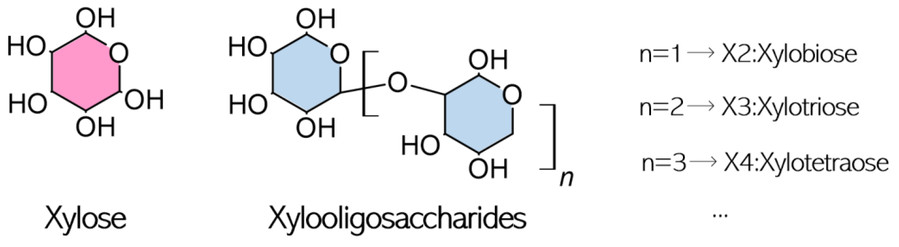 Fig.1 XOS structure.1,4
Biological Functions of XOS
XOS have been demonstrated to selectively enhance the growth of probiotic strains, notably Bifidobacterium and Lactobacillus, with a potency estimated to be 10–20 times higher than that of conventional prebiotics such as fructooligosaccharides (FOS). Studies indicate that 100% of Bifidobacterium strains respond to XOS at concentrations as low as 0.39 mg/mL, compared to 69% responsiveness among Lactobacillus strains.
Short-Chain Fatty Acid (SCFA) Production
Upon fermentation by gut microbiota, XOS are converted into SCFAs including acetate, propionate, and butyrate. These metabolites lower colonic pH, inhibit pathogenic bacteria (e.g., Escherichia coli), and enhance epithelial barrier integrity. Notably, butyrate is known for its antineoplastic activity, promoting apoptosis in colorectal cancer cells.
Immunomodulatory Effects
XOS support immune homeostasis by increasing levels of IgA, IL-2, and other cytokines while suppressing inflammatory mediators like TNF-α.
Metabolic Health Support
In vivo studies confirm that XOS supplementation contributes to lower serum cholesterol, improved insulin sensitivity, and anti-obesity effects, suggesting their potential utility in managing metabolic syndrome.
Methods and Techniques for XOS Research
Biomass Pretreatment and XOS Production Methods
-
Chemo-Enzymatic Method
This two-step method first uses dilute acid (e.g., 0.1 M H₂SO₄) to disrupt lignocellulosic structure and release xylan, followed by xylanase-mediated hydrolysis of β-1,4-glycosidic bonds to yield XOS. For instance, 6% xylohexuronic acid treatment of corncobs at 170 °C for 22 minutes achieved a 54.9% xylan conversion. Downstream purification with bipolar membrane electrodialysis (BPMED) raised XOS purity from 30% to 75%.
-
Microbial Fermentation
Enzyme-producing strains such as Trichoderma viride or engineered microbes can directly convert lignocellulose into XOS. In a representative study, fermentation of brewer's spent grain with T. viride yielded XOS (DP2–4) quantifiable via HPLC, with purification enhanced by activated carbon treatment.
-
Green Enzymatic Processes
Immobilized enzymes (e.g., magnetic nanoparticle-bound xylanases) and continuous reaction setups reduce reagent consumption. For example, optimizing pH (4.8–5.5) and temperature (50–60 °C) during enzymatic hydrolysis of bleached softwood pulp resulted in XOS yields >70%. Replacing buffer with water decreased costs by ~30%.
XOS Purification and Characterization Technologies
-
Membrane Separation
Ultrafiltration (5–10 kDa) removes high-molecular-weight impurities; nanofiltration (1–3 kDa) enriches target XOS (DP2–4). A 5 kDa + 1 kDa membrane sequence improved XOS purity from 60% to 90% in rice husk hydrolysates.
-
Chromatographic Techniques
-
Anion-Exchange Chromatography (AEX) separates XOS based on glucuronic acid side-chain charge.
-
High-performance anion-exchange chromatography with pulsed amperometric detection (HPAEC-PAD) revealed that Lactobacillus reuteri fermentation products predominantly consisted of DP2–4 XOS.
-
Size-Exclusion Chromatography (SEC-HPLC) resolves XOS fractions by DP.
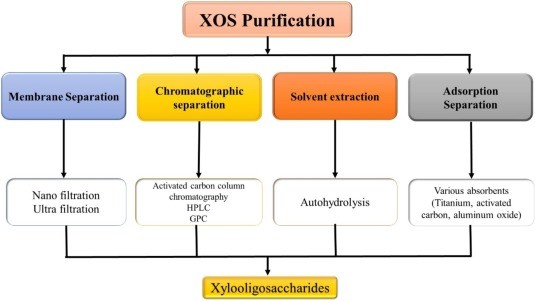 Fig.2 XOS purification.2,4
-
Structural Characterization
-
MALDI-TOF-MS identifies molecular weight profiles (DP2–7).
-
NMR spectroscopy confirms glycosidic linkages and side-chain structures (e.g., arabinose, acetyl groups).
Functional Evaluation Systems
-
In Vitro Models
-
SHIME model: Simulates gut conditions to measure XOS impact on SCFA output and bifidobacterial growth.
-
Cancer Cell Assays: MTT-based tests on HT-29 colon cancer cells evaluate antiproliferative activity and apoptosis induction.
-
Animal Models
-
Colon Cancer: DMH-induced models evaluate suppression of aberrant crypt foci.
-
Metabolic Syndrome: HFD-induced mouse models measure insulin sensitivity improvements (HOMA-IR index).
-
Clinical Trial Designs
-
Randomized, Double-Blind Studies: 1–4 g/day XOS interventions assessed via metagenomics (e.g., MetaPhlAn3).
-
Biomarker Analysis: Serum SCFAs, CRP, and IL-6 measured via ELISA.
Supporting XOS Innovation with Oligosaccharide Expertise
As part of our commitment to advancing glycobiology, Creative Biolabs offers a range of tailored services designed specifically to support the study, synthesis, and structural analysis of xylooligosaccharides and related oligosaccharides. Whether you are optimizing XOS for gut health products or characterizing novel oligosaccharide-based therapeutics, our seasoned scientists are here to assist with end-to-end solutions.
XOS Applications
Cancer Prevention & Supportive Therapy
-
Colorectal Cancer: XOS-induced butyrate inhibits precancerous ACF by >50% (in vivo), outperforming FOS.
-
Leukemia: XOS–xylose–lignin complexes reduce viability of ALL cells <20% by disrupting mitochondrial and PI3K/AKT pathways.
Metabolic Syndrome
-
Diabetes: XOS lowers postprandial glucose (15–20%) and improves insulin response. GLP-1 secretion is enhanced; α-glucosidase inhibited.
-
Hyperlipidemia: Reduces serum triglycerides by 30%, modulates FAS and LPL expression.
Gastrointestinal Health
-
Constipation During Pregnancy: Reduces gut transit time by 40%, increases defecation frequency 2.3x; boosts Bifidobacterium.
-
IBS: Suppresses Clostridium perfringens, lowers intestinal p-cresol, reduces IBS scores by 45%.
Immunomodulation
-
Mucosal Immunity: Upregulates IgA (↑60%) and anti-inflammatory cytokines (IL-2, IL-10).
-
Autoimmunity: In RA models, increases Treg cells and suppresses synovial inflammation—efficacy comparable to methotrexate without toxicity.
From fermentation-derived functional ingredients to highly purified glycans with defined structures, xylooligosaccharides (XOS) are unlocking a new frontier in precision prebiotics and biomedical applications. But realizing their full potential takes more than just good science—it takes reliable partners.That's where Creative Biolabs comes in. Whether you're optimizing enzymatic production routes, characterizing XOS fractions, or validating biological activity, we're here with decades of hands-on glycoscience expertise and a full suite of oligosaccharide solutions to support your project from start to finish. Let's co-develop the next breakthrough—starting with your XOS innovation. Contact us today to get started!
Published Data
B. kashiwanohense utilizes plant-derived carbohydrates through a coordinated mechanism involving key enzymes and transporters. First, extracellular xylanase (GH10) degrades long-chain xylans into shorter xylooligosaccharides (XOS). These oligosaccharides are then transported into the cell by ABC transporters. Finally, intracellular glycoside hydrolases (GH43) further break down XOS into monosaccharides such as glucose and xylose, which enter the cell's metabolic pathways. This integrated process enables B. kashiwanohense to efficiently utilize plant carbohydrates, providing it with a competitive edge in the gut microbiota.
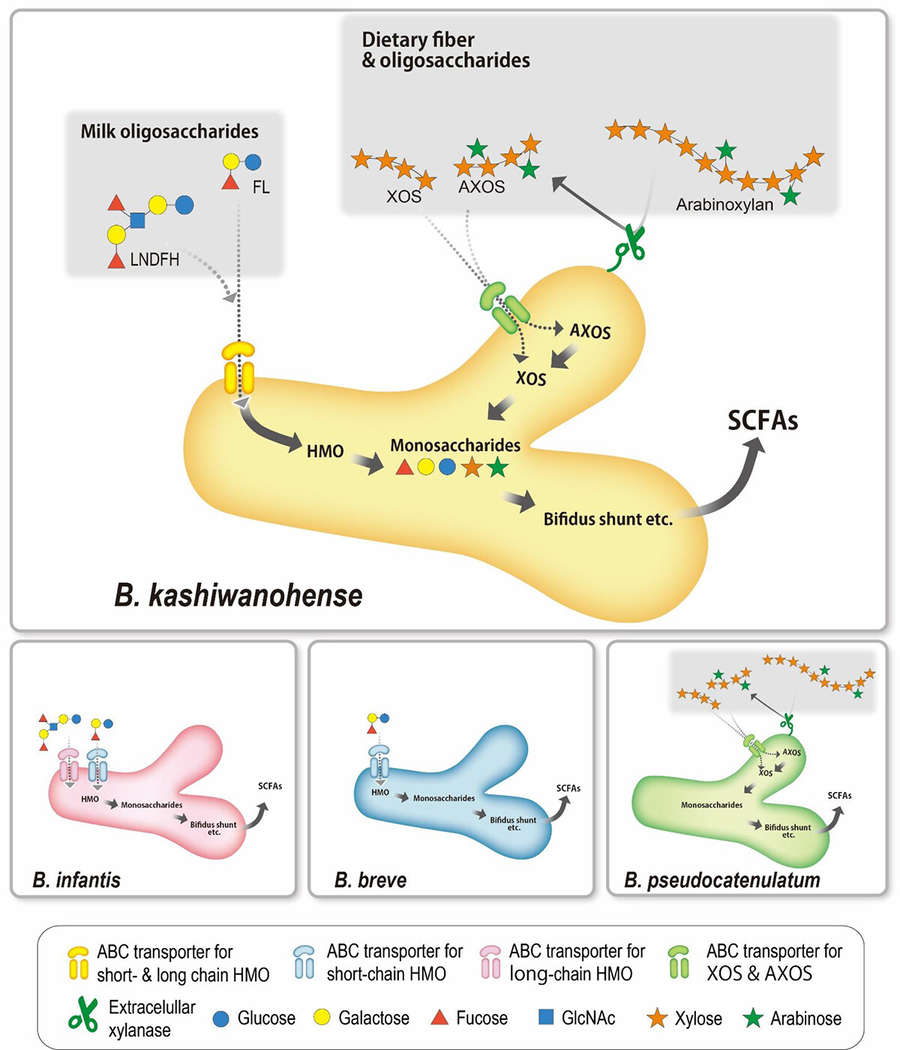 Fig.3 XOS and HMO Utilization by B. kashiwanohense.3,4
References
-
Manicardi, Tainá, et al. "xylooligosaccharides: A bibliometric analysis and current advances of this bioactive food chemical as a potential product in biorefineries' portfolios." Foods 12.16 (2023): 3007. https://doi.org/10.3390/foods12163007
-
Ali, Khubaib, et al. "Xylooligosaccharides: A comprehensive review of production, purification, characterization, and quantification." Food Research International (2025): 115631. https://doi.org/10.1016/j.foodres.2024.115631
-
Orihara, Kento, et al. "Characterization of Bifidobacterium kashiwanohense that utilizes both milk-and plant-derived oligosaccharides." Gut Microbes 15.1 (2023): 2207455. https://doi.org/10.1080/19490976.2023.2207455
-
Distributed under Open Access license CC BY 4.0, without modification.
Related Services
Resources
For Research Use Only.