The advancement of drug therapy increasingly demands strategies that go beyond isolated targets. In complex conditions such as cancer, cardiovascular disease, and chronic inflammation, monotherapy often encounters significant limitations—including drug resistance, toxicity, and suboptimal efficacy. Combinatorial therapy represents a scientifically grounded solution, leveraging the co-delivery of multiple agents to modulate several disease pathways at once and achieve synergistic effects. Lipid-based drug delivery systems are at the forefront of enabling this approach, offering unparalleled versatility and control. Creative Biolabs specializes in harnessing this technology to overcome the complexities of co-delivery, ensuring therapeutic success and market translation.
The conventional use of a single therapeutic agent, known as monotherapy, often faces significant hurdles when treating complex, multi-pathway diseases like cancer, atherosclerosis, and inflammatory disorders. A single drug may not fully address all the biological mechanisms driving a disease, leading to suboptimal efficacy and the eventual development of drug resistance. This is where combinatorial therapy offers a paradigm shift. By simultaneously delivering multiple drugs, researchers can achieve a powerful synergistic effect, where the combined impact is greater than the sum of the individual parts. This approach allows for:
This approach is particularly promising for complex illnesses where multiple biological pathways contribute to the disease's progression. From neurodegenerative diseases to inflammatory bowel disease (IBD) and metabolic disorders, combinatorial therapy delivered via nanoparticles (NPs) provides a sophisticated solution to a multifaceted problem.
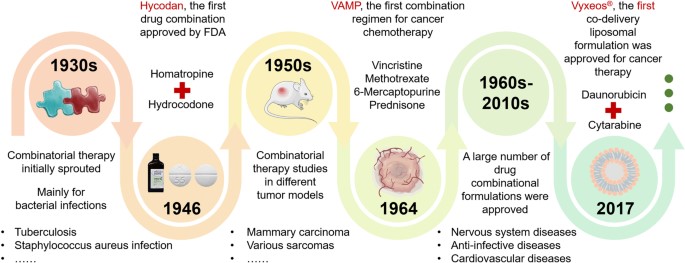 Fig. 1 The development process of combinatorial therapies. 1
While combinatorial therapy offers a clear scientific advantage, traditional co-administration of drugs often presents challenges related to different drug stability, clearance rates, and off-target effects. NPs provide a unified, protective platform to overcome these issues. Serving as microscopic delivery vehicles, NPs encapsulate therapeutic payloads, shielding them from premature degradation in the body and controlling their release over time. This targeted delivery mechanism improves drug accumulation at the site of disease, maximizing therapeutic impact while significantly reducing systemic exposure and toxicity.
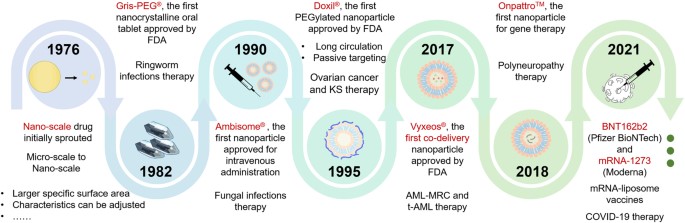 Fig. 2 The development history of multifunction NPs. 1
A key to successful combinatorial therapy is choosing the right nanoparticle type for the specific therapeutic agents and target disease. Lipid-based nanoparticle, such as liposomes, are exceptionally versatile because their structure can be engineered to encapsulate both water-soluble and lipid-soluble drugs. Other common delivery vehicles include:
The selection of a delivery vehicle is a critical first step, impacting everything from drug stability to in vivo biodistribution and therapeutic outcome.
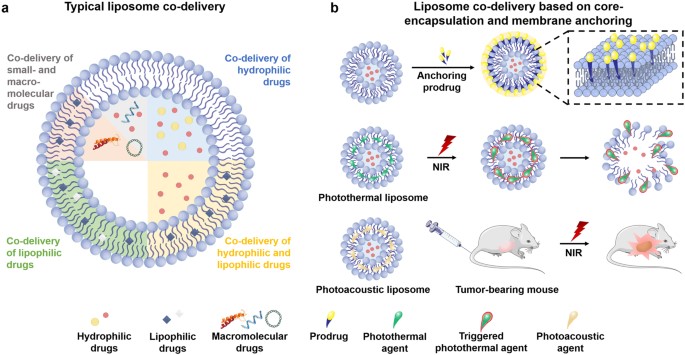 Fig. 3 Liposome-based co-delivery strategy. 1
A central challenge in drug delivery is ensuring the therapeutic payload reaches its intended target. NPs leverage sophisticated targeting strategies to achieve this. Passive targeting relies on the natural accumulation of NPs in leaky tumor tissues, a phenomenon known as the Enhanced Permeability and Retention (EPR) effect. Active targeting, on the other hand, involves surface-functionalizing the NPs with specific ligands, such as antibodies, peptides, or aptamers, that bind to receptors overexpressed on the surface of diseased cells. This allows for highly specific and efficient delivery, minimizing impact on healthy tissues.
Despite the profound promise of NP-mediated combinatorial therapy, significant challenges remain in translating these cutting-edge concepts from the lab bench to clinical reality. The successful development and translation of NP-codelivery systems require specialized expertise to address key limitations, including:
This is precisely where Creative Biolabs' decades of experience and specialized services become invaluable. We bridge the gap between academic theory and industrial application by providing comprehensive solutions for the development, characterization, and validation of lipid-based drug delivery systems. Our team is equipped to navigate the complexities of formulating multifunctional NPs, ensuring their stability and performance through rigorous testing and analytical services.
The future of drug delivery lies in precision and synergy. Creative Biolabs is your trusted partner, ready to help you navigate the complexities of multifunctional NPs. Contact our expert team today to discuss how we can support your specific project needs in this field.
Creative Biolabs offers specialized services to accelerate your research and development in combating diseases with multifunctional NPs through lipid-based drug delivery systems and combinatorial therapy. Our comprehensive expertise provides seamless support from concept to validation, ensuring the successful translation of your therapeutic candidates.
| Service Category | Description |
|---|---|
| Liposome Development | Tailored formulation of liposomes for optimal drug encapsulation and stability. |
| Characterization | Comprehensive analysis including size, PDI, zeta potential, and drug loading. |
| Process Optimization | Scaling up and optimizing manufacturing processes for consistency and quality. |
| In Vitro & In Vivo Validation | Rigorous testing of efficacy and safety in both cellular and animal models. |
Our portfolio of high-quality products facilitates research and development in lipid-based drug delivery and combinatorial therapy. These key components and kits support the implementation and study of multifunctional NPs and similar technologies, empowering your team to achieve reproducible and reliable results.
| Product Category | Product Category |
|---|---|
| Clodronate Liposomes | Specialized liposomes for macrophage depletion in research models. |
| Fluorescent Liposomes | Pre-labeled liposomes for cell tracking and biodistribution studies. |
| Drug-loaded Liposomes | Ready-to-use liposomes pre-encapsulated with common therapeutic agents. |
| Plain Liposomes | Empty liposomes with different lipid compositions for custom drug loading. |
| LNP | LNPs loaded with multiple mRNAs, featuring formulations based on SM102, DLin-MC3-DMA, and ALC-0315. |
Reference
 For Research Use Only. Not For Clinical Use
Supports
Online Inquiry

Creative Biolabs is a world-leading liposome provider with extensive experience in liposome preparation, custom formulation development, and characterization.

© 2026 Creative Biolabs. All rights reserved.