The pursuit of highly efficient drug encapsulation is a cornerstone of modern pharmaceutical development, particularly for lipid-based drug delivery systems. Active drug loading technology stands out as a superior approach, significantly enhancing the encapsulation efficiency and capacity of therapeutic agents within carriers like liposomes and niosomes. At Creative Biolabs, we are adept at leveraging both active and passive drug loading methodologies, offering unparalleled flexibility to meet our clients' diverse needs for efficient drug encapsulation across a wide range of lipid-based delivery systems.
Efficient encapsulation is paramount for maximizing the therapeutic potential of nanocarriers. While passive loading methods offer simplicity, they often fall short in achieving high drug-to-lipid ratios and maintaining drug stability within the carrier. This limitation is particularly pronounced for hydrophilic or amphiphilic drugs. This is where active, or "remote" loading strategies, such as the pH gradient method, demonstrate their superior utility.
The principle behind pH gradient loading leverages the physicochemical properties of weakly basic or acidic drugs. For a weakly basic drug like doxorubicin (DOX), the process involves creating a significant pH difference across the niosome membrane, with the interior being acidic (e.g., pH 4.0) and the exterior being neutral (e.g., pH 7.4). The uncharged, lipophilic form of the drug can readily diffuse across the lipid bilayer. Once inside the acidic niosome core, the drug becomes protonated and converts into its charged, hydrophilic form. This charged form is then "trapped" within the aqueous interior, unable to readily diffuse back across the membrane.
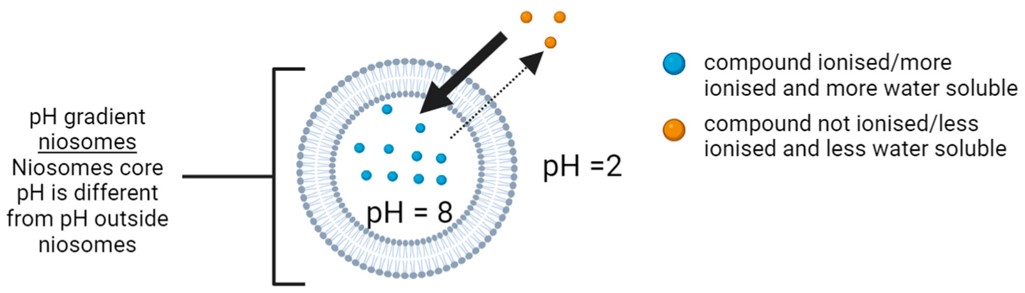 Fig. 1 Enhancing encapsulation efficiency via pH gradient.1
Niosomes are self-assembling vesicles formed from non-ionic surfactants, often combined with cholesterol and sometimes charged lipids. Their unique composition grants them several advantages:
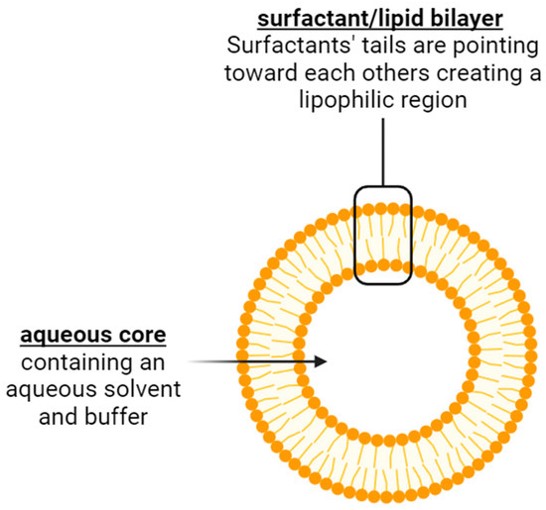 Fig. 2 Structure of niosomes.1
The study by Jafari et al. specifically utilized Span 60 and Tween 60 as non-ionic surfactants, along with cholesterol, to form stable niosomes. This combination is a testament to the flexibility in niosome formulation, allowing for optimization based on the specific drug and desired release profile.
DOX, an anthracycline, is a cornerstone chemotherapy drug for various solid tumors and hematological malignancies. However, its clinical utility is hampered by severe side effects, most notably cardiotoxicity, and a short plasma half-life. Encapsulating DOX within nanocarriers offers a pathway to:
As a weakly basic drug, DOX is an ideal candidate for pH gradient loading. The protonation of its amine group in an acidic environment is the key to its efficient trapping within the niosomes core. The research by Jafari et al. meticulously demonstrates this, even using bromocresol green (BCG), a pH indicator that becomes di-anionic and blue at pH > 5.4, while its mono-anionic form is yellow at pH < 3.8, as a model to visually confirm the pH gradient and its collapse upon drug loading, underscoring the robustness of this active loading approach.
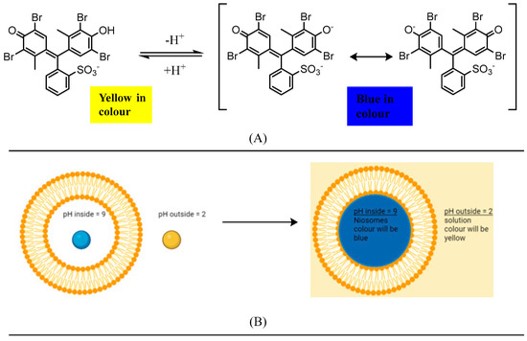 Fig. 3 The effect of BCG ionisation on its colour and the colour of its surroundings.1
The pH gradient-driven loading of doxorubicin into niosomes represents a significant leap forward in the quest for more effective and safer cancer therapies. This active loading method offers unparalleled encapsulation efficiency and stability, overcoming many limitations of conventional approaches. As the field continues to evolve, the need for specialized expertise in formulation, characterization becomes ever more critical. Creative Biolabs is committed to translating the promise of pH gradient-driven lipid-based drug delivery system into tangible therapeutic solutions. We urge you to contact us today to learn more about our cutting-edge active drug loading technology and how we can accelerate your next drug development project.
At Creative Biolabs, we recognize the immense potential of pH gradient-driven loading of doxorubicin into niosomes and other advanced lipid-based drug delivery systems. Utilizing advanced drug encapsulation techniques (including active/passive strategies), our integrated services support lipid-based drug delivery system development across all stages.
| Services/Products | Description | Inquiry |
|---|---|---|
| Wide Range of Raw Materials | We provide access to and expertise in selecting various raw materials, including surfactants, cholesterol, phospholipids, and drugs (such as DOX), crucial for optimal formulation. | Inquiry |
| Formula Development: | Offering optional delivery system types and drug loading methods, including advanced active drug loading techniques like the pH gradient method and ammonium sulfate gradient method, tailored to your specific drug and therapeutic goals. | Inquiry |
| Encapsulation Efficiency Analysis | Utilizing quantitative methods such as UV/HPLC to accurately determine encapsulation efficiency, providing clear insights into drug loading efficiency. | Inquiry |
| Stability Study of Delivery System | Comprehensive assessment of the physical and chemical stability of your delivery system under various conditions, ensuring product integrity and shelf-life. | Inquiry |
| Doxorubicin Liposomes | Prepared by the ammonium sulfate gradient method, available in both PEGylated and non-PEGylated types, suitable for in vivo administration in experimental animals. | Inquiry |
Reference
 For Research Use Only. Not For Clinical Use
Supports
Online Inquiry

Creative Biolabs is a world-leading liposome provider with extensive experience in liposome preparation, custom formulation development, and characterization.

© 2026 Creative Biolabs. All rights reserved.