The development of Boron Neutron Capture Therapy (BNCT) has long been challenged by the limited stability and delivery efficiency of boron agents. However, the advent of lipid-based drug delivery systems offers a promising solution, enabling the precise and stable transport of therapeutic agents to tumor sites. They offer a unique advantage by providing a biocompatible carrier for a wide range of therapeutic agents, a feature that Creative Biolabs has long specialized in.
In the evolving landscape of oncology, a significant paradigm shift is underway, moving from broad-spectrum treatments to highly targeted, personalized therapies. At the forefront of this innovation is the concept of theranostics, which combines diagnostic and therapeutic functions into a single agent. This integrated approach allows for the real-time visualization of drug delivery and accumulation at the tumor site, thereby enabling personalized dose adjustments and the precise monitoring of therapeutic efficacy. Within this exciting field, lipid-based drug delivery systems, particularly liposomes, are emerging as powerful platforms.
BNCT relies on a binary treatment principle: first, a boron-10 enriched agent is selectively delivered to tumor cells; then, the tumor area is irradiated with low-energy neutrons. The subsequent nuclear reaction produces high-energy particles and lithium ions that cause localized, heavy-particle irradiation and destroy the tumor cells, sparing surrounding healthy tissue.
The core challenge for BNCT has always been the delivery agent itself. Traditional agents suffer from low in vivo stability, poor biocompatibility, and limited tumor-specific accumulation. The boronsome, however, fundamentally re-engineers this approach. As described in the scientific literature, it is a carboranyl-phosphatidylcholine based liposome, where the boron-containing carborane is an integral part of the liposomal membrane.
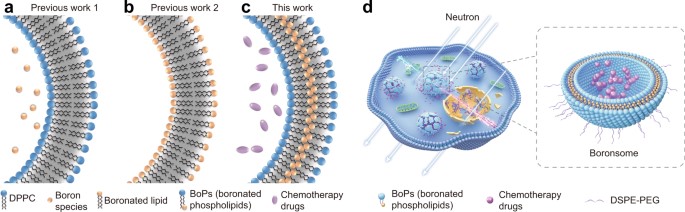 Fig. 1 Schematic diagram of Boronsomes.1
The boronsome represents a major academic achievement, as detailed in a pivotal study in Nature Communications. This groundbreaking research provides compelling evidence of the boronsome's potential to overcome the long-standing challenges of BNCT. The study's key findings highlight several critical aspects of its design and function:
Theoretical simulations and experimental approaches were used to confirm the high stability of the boronsome. This stability is a direct improvement over conventional delivery agents, ensuring that the boron-10 remains safely encapsulated until it reaches the target site. This design is crucial for maximizing therapeutic effect while minimizing off-target toxicity.
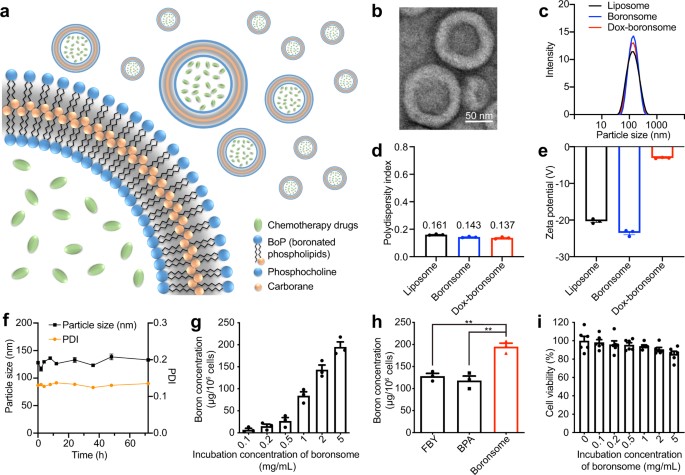 Fig. 2 Boronsome is an efficient platform for boron delivery.1
By labeling the boronsome with a positron-emitting isotope like Cu-64, researchers were able to perform Positron Emission Tomography (PET) imaging. The imaging demonstrated high-specific tumor accumulation and long retention, enabling clinicians to verify successful delivery of the therapeutic agent to the tumor before initiating neutron irradiation.
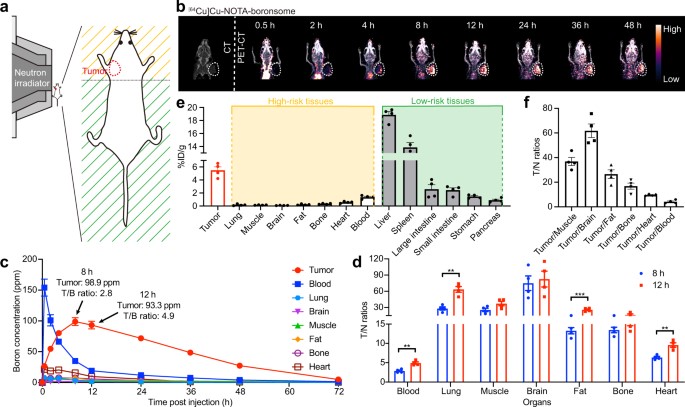 Fig. 3 PET imaging indicated boronsome high accumulation in tumour.1
The research also showed that the boronsome can serve as a platform for concurrent therapy. Therapeutic outcomes were significantly improved when the boronsome also encapsulated chemotherapy drugs, particularly PARP1 inhibitors. This synergistic effect combines multiple mechanisms of action for a more potent anti-tumor response.
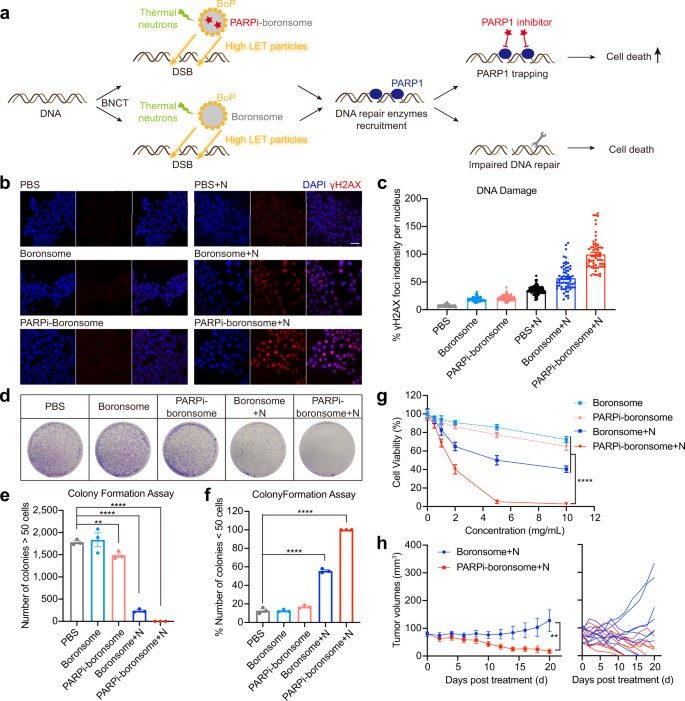 Fig. 4 BNCT with PARP1 inhibitor–loaded boronsome.1
The innovative boronsome design and its successful application in concurrent therapy, as detailed in this literature, showcase the immense potential of advanced lipid-based drug delivery systems. This research demonstrates a clear pathway for developing next-generation theranostics. Contact us today to discuss how we can help you apply these principles to your own research and product development.
Creative Biolabs offers a suite of specialized services to support your research and development in theranostics, lipid-based drug delivery, and BNCT. Our expertise ensures you have a capable partner for every stage of your project.
| Services/Products | Description | Inquiry |
|---|---|---|
| Lipid Synthesis | Custom synthesis of specialized lipids, including novel components like carboranyl-phosphatidylcholine, to create advanced delivery systems. | Inquiry |
| Liposome Synthesis | Development and optimization of various liposome types, including fluorescent, magnetic, and other functionalized liposomes. | Inquiry |
| Small Molecule Drug Encapsulation | Expert services for loading small molecule drugs, such as PARP1 inhibitors or other chemotherapy agents, into lipid nanoparticles for synergistic effects. | Inquiry |
| In Vitro & In Vivo Validation | Comprehensive testing to validate the efficacy and safety of your formulation, including animal model establishment in rats, mice, rabbits, and non-primate animals. | Inquiry |
| PEGylation Conjugation Reagent | A specialized reagent for functionalizing liposomes with PEG to enhance stability. | Inquiry |
Reference
 For Research Use Only. Not For Clinical Use
Supports
Online Inquiry

Creative Biolabs is a world-leading liposome provider with extensive experience in liposome preparation, custom formulation development, and characterization.

© 2026 Creative Biolabs. All rights reserved.