Liposomes Boost Photodynamic Therapy Effectiveness
PDT Overview Liposome for PDT Liposomal PS Systems Products & Services Resources
Modern drug delivery, targeted therapy, and imaging research faces multifaceted challenges, from ensuring precise drug localization to achieving optimal therapeutic windows. Lipid-based drug delivery systems, particularly liposomes, present a promising yet complex frontier in these fields. Creative Biolabs addresses these hurdles by integrating cutting-edge liposome technology, enabling precise control over photodynamic therapy (PDT) mechanisms. Our expertise bridges gaps in lipid innovation, offering tailored strategies to accelerate research outcomes in drug delivery, targeted therapy, and related scientific research fields.
The Promise of Photodynamic Therapy: A Targeted Approach
PDT is a non-invasive therapeutic modality that utilizes a photosensitizer (PS), light, and oxygen to generate reactive oxygen species (ROS), primarily singlet oxygen, which induce cell death. This targeted approach offers significant advantages over conventional treatments, particularly in oncology, due to its localized action, minimal invasiveness, and reduced systemic side effects. However, the clinical translation of PDT has historically faced hurdles. Many PS exhibit poor water solubility, leading to aggregation in physiological environments, rapid systemic clearance, and a lack of specific accumulation at disease sites. These limitations often result in suboptimal therapeutic efficacy and undesirable off-target toxicities, such as skin photosensitivity. Addressing these challenges is paramount to unlocking the full potential of PDT.
Liposomes: The Ideal Nanocarriers for PDT Enhancement
Enter liposomes – spherical vesicles composed of one or more lipid bilayers, capable of encapsulating both hydrophilic and hydrophobic compounds. Their biocompatibility, biodegradability, and structural versatility make them exceptional candidates for drug delivery, particularly for enhancing PDT. Recent research, as highlighted in publications like "Liposomes for Enhanced Photodynamic Therapy: State-of-the-Art and Future Perspectives" in Advanced Science, underscores the pivotal role liposomes play in overcoming the inherent limitations of free PS.
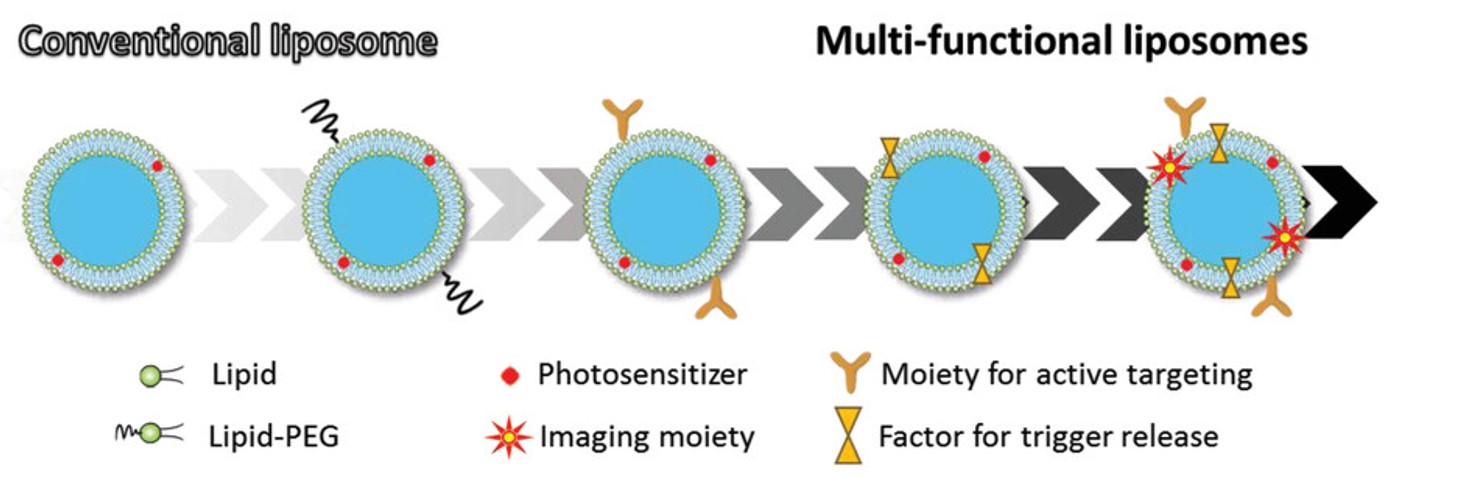 Fig. 1 Development of multi-functional liposomes.1,2
The scientific literature consistently demonstrates how liposomes confer multiple benefits to PDT:
Enhanced Pharmacokinetics and Biodistribution
By encapsulating PS within liposomal nanocarriers, their systemic circulation time can be significantly extended. This altered pharmacokinetic profile allows for greater accumulation at target sites, such as tumors, through mechanisms like the Enhanced Permeability and Retention (EPR) effect, a phenomenon where nanoparticles preferentially accumulate in leaky tumor vasculature.
Targeted Delivery and Reduced Systemic Toxicity
Liposomes facilitate both passive and active targeting. Passive targeting leverages the EPR effect, while active targeting involves conjugating specific ligands (e.g., antibodies, peptides, aptamers) to the liposome surface. These ligands bind to overexpressed receptors on diseased cells, ensuring precise delivery of the PS. This targeted approach minimizes exposure to healthy tissues, drastically reducing systemic side effects like skin photosensitivity, a common issue with free PS.
Synergistic Therapeutic Effects
Liposomes offer the unique advantage of co-delivering PS with other therapeutic agents, such as chemotherapeutics, gene therapy agents, or immunomodulators. This enables combination therapies that can achieve synergistic effects, overcoming drug resistance and enhancing overall treatment outcomes, as extensively discussed in the scientific community.
Enhancing Tissue-Penetration of PDT
Liposomal encapsulation can optimize the delivery of PS, allowing for more precise control over their release and accumulation in deeper tissues. This is crucial for treating tumors located beneath the skin surface or within organs, where light penetration is a limiting factor for conventional PDT. By improving PS delivery and localization, liposomes indirectly enhance the effective depth of light penetration by maximizing the PS concentration at the desired site.
Enhancing PDT Against the Tumor Microenvironment (TME)
The tumor microenvironment (TME) often presents significant barriers to effective drug delivery, including hypoxia, abnormal vasculature, and dense extracellular matrix. Liposomes can be engineered to respond to specific TME cues (e.g., low pH, high enzyme activity) to release their cargo, or to carry agents that can modulate the TME, thereby improving PS penetration and PDT efficacy within the complex tumor environment.
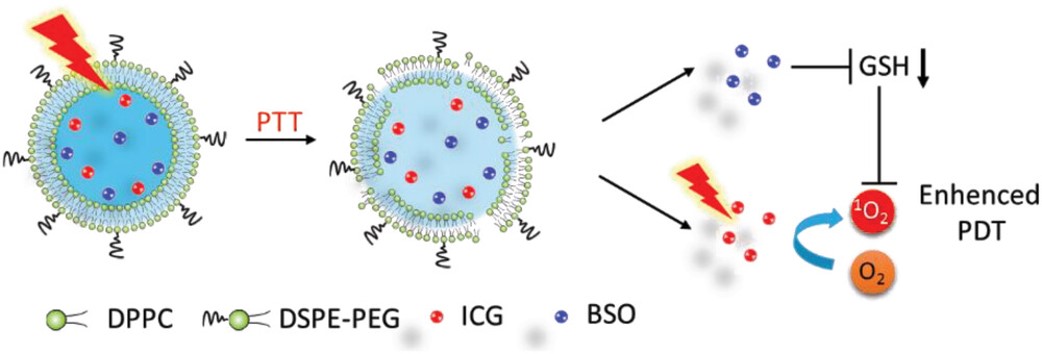 Fig. 2 Proposed mechanism of PLNA for enhanced PDT via NIR remote -controlled BSO release for the inhibition of GSH biosynthesis.1,3
Image-Guided PDT
Liposomes integrating both therapeutic and diagnostic capabilities by serving as carriers for imaging agents. This allows for real-time monitoring of imaging agents delivery and accumulation, assisting in diagnosis, as well as the assessment of the diagnostic process and disease progression. Common imaging modalities that can be integrated with liposomal PDT include photoacoustic (PA) imaging, magnetic resonance imaging (MRI), positron emission tomography (PET) imaging, ultrasonic imaging (USI), computed tomography (CT), and fluorescence imaging (FLI). This image-guided approach enables precise diagnostic planning and accurate localization of the PS.
Synergistic Therapeutic Effects
Liposomes offer the unique advantage of co-delivering PS with other therapeutic agents, such as chemotherapeutics, gene therapy agents, or immunomodulators. This enables combination therapies that can achieve synergistic effects, overcoming drug resistance and enhancing overall treatment outcomes, as extensively discussed in the scientific community.
Combination with Other Therapies
Beyond co-delivery of cytotoxic agents, liposome-based PDT can be effectively combined with a range of other therapeutic modalities to achieve superior outcomes. This includes combining PDT with photothermal therapy (PTT) or magnetic hyperthermia (MHT) for enhanced tumor ablation, integrating different PDT approaches (e.g., using multiple PS or light wavelengths), or combining with chemodynamic therapy (CDT) to amplify reactive oxygen species generation and cell death.
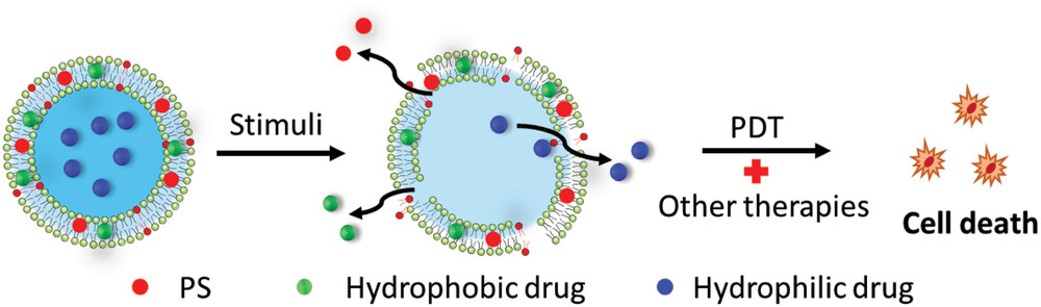 Fig. 3 The mechanism of release of capsulated PSs and drugs for combined therapies.1,3
Liposomal PS Systems for PDT
The strategic combination of PS with liposomal delivery systems has evolved significantly, moving from classic encapsulation methods to sophisticated functionalized platforms.
Classic Liposomal PS
-
Porphyrin Derivatives: Porphyrins and their derivatives were among the first PS to be clinically used. Liposomal formulations of porphyrins aim to reduce their skin photosensitivity and improve tumor accumulation.
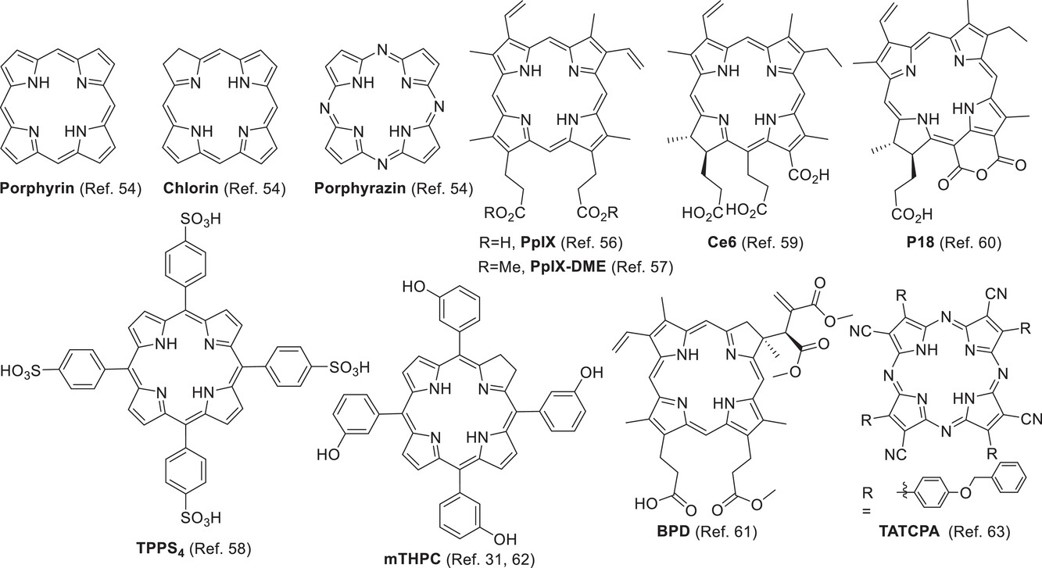 Fig. 4 The mechanism of release of capsulated PSs and drugs for combined therapies.1,3
-
Phthalocyanines and Naphthalocyanines: These PS absorb light in the red and near-infrared regions, which allows for deeper tissue penetration. Liposomal encapsulation of hydrophobic phthalocyanines, like aluminum phthalocyanine (AlPcS4), significantly enhances their solubility and circulation time, leading to improved PDT efficacy.
-
Chlorins: Chlorin-based PS, such as chlorin e6 (Ce6), m-tetrahydroxyphenylchlorin (mTHPC), purpurin 18 (P18), are potent PS.
Functional Liposomal PS: Surface Modification and Stimuli-Responsiveness
Building upon classic approaches, modern liposomal PS systems incorporate advanced functionalities through surface modification and stimuli-responsive designs, enabling more precise targeting and controlled release:
-
Surface-Modified Liposomes: To achieve highly specific delivery, ligands are conjugated to the liposome surface. These ligands (e.g., antibodies, peptides like RGD, folate, hyaluronic acid, aptamers) specifically recognize and bind to receptors overexpressed on cancer cells or within the tumor microenvironment. This active targeting mechanism leads to increased PS accumulation in diseased tissues and enhanced cellular uptake while minimizing off-target effects.
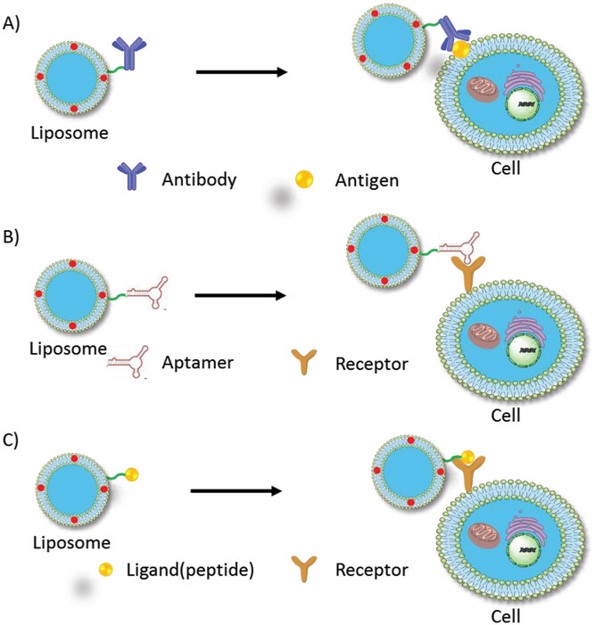 Fig. 5 Typical models of active-targeted liposomes.1,3
-
Stimuli-Responsive Liposomes: These "smart" liposomes are engineered to release their encapsulated PS in response to specific internal or external triggers (e.g., light, temperature, enzyme, pH, and X-ray), ensuring localized PS release at the target site.
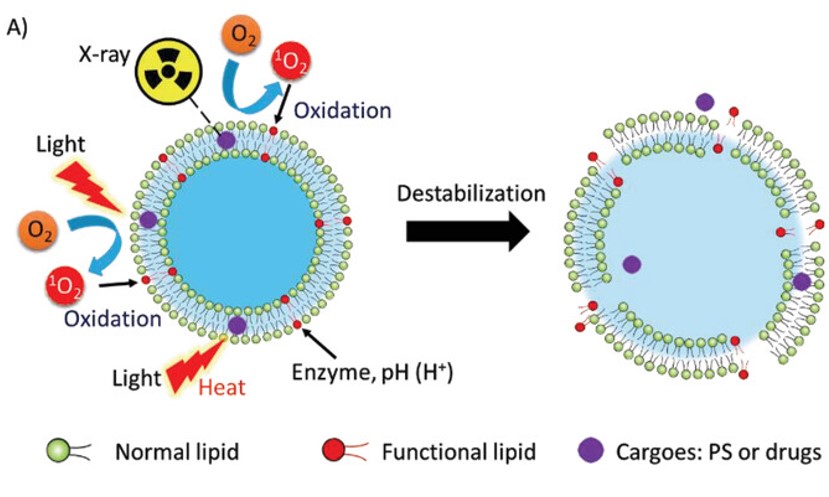 Fig. 6 Liposomal collapse induced by various stimuli.1,2
By partnering with Creative Biolabs, you gain access to a wealth of knowledge and a suite of services that transform academic insights into practical, high-impact applications. Whether you are developing novel PS formulations for PDT, exploring new targeted therapies, or seeking to enhance the delivery of complex biologicals, Creative Biolabs is your trusted partner in navigating the intricacies of lipid-based drug delivery. Contact us today to discover how we can accelerate your next breakthrough in advanced drug delivery, targeted therapy, imaging, diagnosis, and other related scientific research fields.
Related Products & Services
To support your research in enhancing PDT effectiveness using liposomes, we offer a range of specialized products and services tailored for PS delivery, diagnostic integration, and imaging applications.
|
Category
|
Description
|
Key Benefits
|
Inquire
|
|
Liposomal PS Formulations
|
Ready-to-use or customizable liposomal formulations encapsulating various clinically relevant or novel PS (e.g., porphyrins, phthalocyanines, BPD).
|
-
Improve PS bioavailability and tumor accumulation
-
Reduce systemic toxicity
-
Enable targeted PDT applications
-
Facilitate comparative studies
|
Inquire
|
|
Bifunctional Liposomes (PDT & Imaging)
|
Advanced liposome platforms co-encapsulating PS and diagnostic agent (e.g., fluorescent dye, PET tracer, MRI contrast agent). Designed for simultaneous therapy and real-time monitoring.
|
-
Enable image-guided PDT
-
Monitor drug delivery and tumor targeting in vivo;
-
Assess treatment response concurrently
-
Streamline preclinical workflows
|
Inquire
|
|
High-Performance PS
|
A curated selection of potent and spectrally diverse PS, including novel derivatives with improved properties.
|
-
Provide optimized light absorption and reactive oxygen species generation
-
Cater to specific PDT requirements
-
Accelerate screening and optimization
|
Inquire
|
|
In Vivo PDT Efficacy Evaluation
|
Comprehensive assessment of liposomal PDT efficacy in relevant animal tumor models. Services include treatment administration, light dosimetry, tumor growth monitoring, and survival analysis.
|
-
Validate your liposomal PDT concept in a preclinical setting
-
Obtain robust data for grant applications or further development
-
Benchmark against standard treatments
|
Inquire
|
|
Diagnostic Imaging Performance Validation
|
Evaluation of liposome-encapsulated diagnostic agents in animal models, assessing biodistribution, tumor targeting efficiency, and imaging contrast enhancement.
|
-
Confirm the diagnostic potential of your liposomal formulation
-
Quantify drug delivery to the target site
-
Optimize imaging protocols for therapy guidance or response monitoring
|
Inquire
|
Resources
References
-
Cheng, Xiamin, et al. "Multi-functional liposome: a powerful theranostic nano-platform enhancing photodynamic therapy." Advanced Science 8.16 (2021): 2100876. doi: 10.1002/advs.202100876.
-
Distributed under Open Access license CC BY 4.0, the image used is a cropped portion of the original.
-
Distributed under Open Access license CC BY 4.0, without modification.

For Research Use Only. Not For Clinical Use