Prostate Cancer (PCa) Research related Glycosylation Analysis Service
Introduction of Prostate Cancer (PCa) Research related Glycosylation Analysis
PCa remains a formidable challenge, with conventional biomarkers like PSA often lacking the specificity to distinguish aggressive disease or predict therapy resistance. Post-translational modifications, particularly glycosylation, offer a transformative solution. Aberrant glycosylation is a recognized hallmark of cancer, profoundly influencing tumor progression, metastasis, and drug resistance. Research consistently reveals specific glycan alterations-from changes in N-linked and O-linked glycoproteins to glycosphingolipids and proteoglycans-that serve as highly precise indicators of disease state. Creative Biolabs harnesses these critical insights, offering advanced Glycomics Analysis Services to revolutionize PCa diagnosis and therapy. Our PCa research-related glycosylation analysis service empowers you to overcome challenges like insufficient biomarker specificity, complex disease stratification, and therapy resistance. Creative Biolabs helps you accelerate biomarker discovery and identify therapeutic targets through advanced mass spectrometry-based glycoproteomics and cutting-edge imaging mass spectrometry.
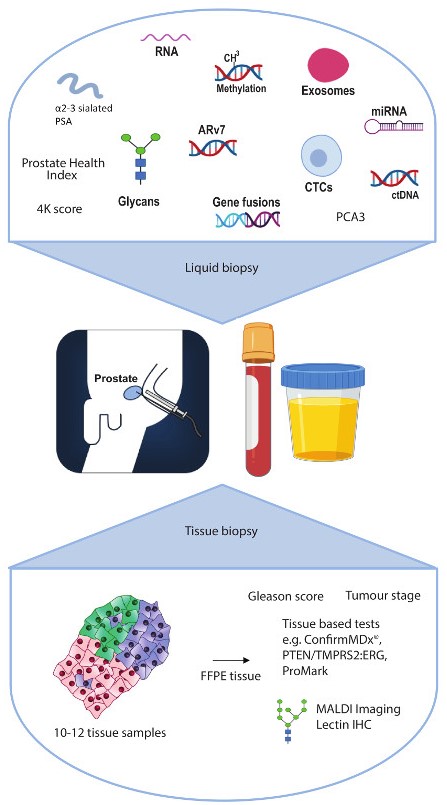 Fig.1 Biopsy analysis of prostate cancer.1,3
Precision Glycomics for PCa at Creative Biolabs: Unlocking the Glycan Code for Precision Oncology
Creative Biolabs offers a comprehensive suite of PCa research-related glycosylation analysis services, each tailored to address specific research questions and clinical needs. Understanding the "why" behind these analyses is critical, as glycans provide insights beyond genomics and proteomics, reflecting real-time cellular pathophysiology. We provide various PCa research-related glycosylation analysis services.
Global N-Glycome and O-Glycome Profiling
-
Aberrant N- and O-glycosylation (e.g., increased sialylation, fucosylation, branching) are consistently implicated in PCa progression, metastasis, and immune evasion. Profiling allows the identification of novel diagnostic/prognostic signatures and understanding of overall glycan dysregulation. We provide a comprehensive analysis of all N-linked and O-linked glycans present in a sample (e.g., serum, plasma, urine, cell lysates), which provides a broad overview of the glycosylation landscape.
Site-Specific Glycoprotein Glycosylation Analysis
-
Changes in site-specific glycosylation, even without changes in protein abundance (e.g., CD63), can profoundly alter protein function and signaling. This provides higher specificity for biomarkers (e.g., fucosylated PSA glycoforms for aggressive PCa) and reveals subtle, yet critical, regulatory mechanisms. We focus on analysis to identify and quantify specific glycan structures attached to particular glycosylation sites on individual proteins.
Glycosphingolipid (GSL) Analysis
-
GSLs are critical components of cell membranes and signaling. Altered GSL levels (e.g., elevated glucosylceramide, lactosylceramide, and trihexosylceramide in aggressive PCa) are emerging as highly specific biomarkers for PCa aggressiveness and may offer race-specific diagnostic insights. We identify and quantify specific glycosphingolipid species from plasma or tissue samples.
Glycosylation Enzyme Expression and Activity Analysis
-
We quantify the expression levels of key glycosyltransferases (e.g., FUT8, MGAT5, GALNT7) and glycosidases (e.g., FUCA1) that regulate glycan biosynthesis and degradation. Dysregulation of these enzymes directly drives aberrant glycosylation patterns in PCa. Understanding their expression provides mechanistic insights into disease progression, identifies potential therapeutic targets (e.g., enzyme inhibitors), and explains observed glycan changes.
Imaging Mass Spectrometry (IMS) for Glycan Profiling
-
We provide direct, label-free mapping and quantification of N-linked glycans within specific histological regions of FFPE tumor tissue. IMS provides unparalleled spatial resolution, enabling the discovery of tumor-specific glycan markers that are not confounded by surrounding stromal or benign tissue signals, crucial for developing highly targeted diagnostics and therapies.
Creative Biolabs stands as a leader in glycomics, offering distinct advantages that set your research on an accelerated path to discovery. Our commitment to scientific excellence, coupled with unparalleled technological capabilities, ensures you receive the most precise and impactful results. Creative Biolabs utilizes an integrated, multi-platform approach to deliver these specialized services.
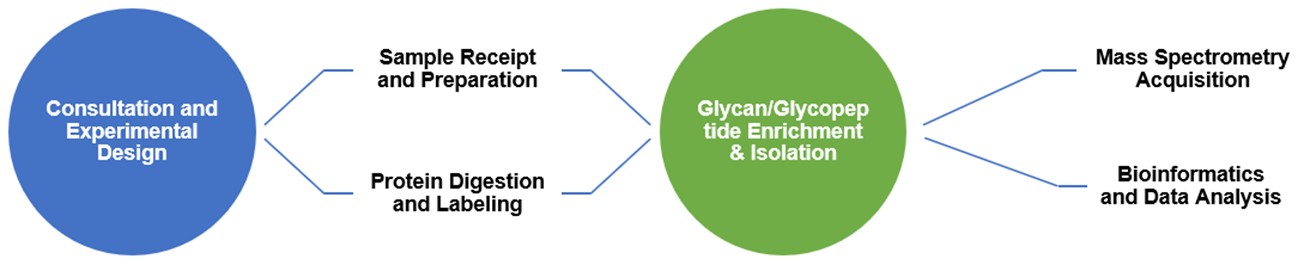
Why Choose Us?
-
Unmatched Expertise & Comprehensive Capabilities: With over 20 years of experience, our team possesses deep scientific knowledge in glycobiology and prostate cancer. We offer a holistic view of the glycome, analyzing N-linked, O-linked glycoproteins, glycosphingolipids, and proteoglycans.
-
Cutting-Edge Technology: Our IMS capabilities enable direct, spatially resolved glycan profiling on FFPE tumor tissue, providing unprecedented insights into the tumor microenvironment that are impossible with traditional methods.
-
Precision and Specificity: We go beyond identifying general glycan changes to quantify site-specific glycosylation occupancy and characterize microheterogeneity at individual glycosides. This unparalleled precision enables the discovery of highly specific biomarkers crucial for accurate diagnosis and prognosis.
-
Reliability & Reproducibility: Our rigorous protocols, extensive quality control, and robust bioinformatic pipelines ensure high data quality, reproducibility, and reliable interpretation, even from complex biological samples like serum, urine, and patient tissues.
-
Extensive glycosylation analysis: We provide glycosylation analysis services for different diseases, including Breast Cancer, Colorectal Cancer, Gastric Cancer, Oral Cancer, etc.
Creative Biolabs is committed to advancing prostate cancer research and clinical management through the profound insights offered by glycomics. Our unparalleled expertise, coupled with state-of-the-art mass spectrometry and IMS platforms, enables the precise identification of novel glycan biomarkers for enhanced diagnosis, prognosis, and the discovery of crucial therapeutic targets. Our expert team is here to provide detailed information and discuss how our services can be tailored to your specific project needs. Please contact us to unlock the next frontier in precision oncology.
Published Data
This study investigates the potential of N-linked glycosylation profiling and near-infrared (NIR) spectroscopy as novel diagnostic tools for PCa. The findings revealed distinct biochemical differences in N-glycosylation between benign and malignant prostate tissues, specifically in the ratios of fucosylated biantennary and tetraantennary structures. Figure 2 visually presents the desialylated N-glycan profiles derived from prostate tissue specimens, differentiating between benign and malignant origins. Various identified glycosylation structures are marked from A to J, allowing for a direct comparison of the N-glycan compositions and patterns characteristic of benign versus cancerous prostate tissue.
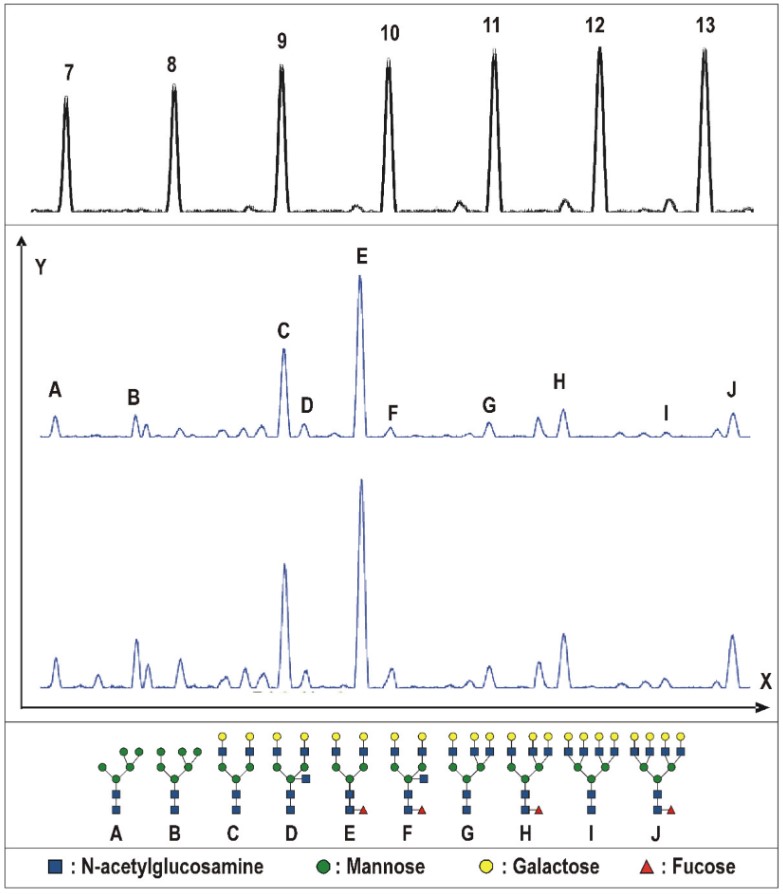 Fig.2 Representative N-glycosylation patterns of benign and malignant tissues.2,3
FAQs
Q1: What types of samples does Creative Biolabs accept for PCa glycosylation analysis, and what are the quantity requirements?
A1: We accept a wide range of biological samples, including serum, plasma, urine, fresh-frozen tissue, FFPE tissue sections, and prostate cancer cell lines. Specific quantity requirements vary by service type and desired depth of analysis. For instance, mass spectrometry-based glycoproteomics typically requires micrograms of protein, while imaging mass spectrometry requires intact tissue sections. Please contact us to discuss your specific sample type and project needs.
Q2: How do glycan biomarkers offer an advantage over traditional PSA testing for prostate cancer?
A2: While PSA is a useful initial screen, its low specificity often leads to false positives and unnecessary biopsies. Glycan biomarkers, such as specific fucosylated PSA glycoforms or altered glycosphingolipids, offer significantly higher precision. They can distinguish aggressive PCa from indolent disease and benign conditions, predict therapy resistance, and provide dynamic monitoring of disease progression, leading to more accurate diagnoses and personalized treatment decisions.
Q3: What is imaging mass spectrometry (IMS), and how does it enhance prostate cancer glycan research?
A3: IMS is a cutting-edge technology that allows direct, label-free profiling and quantification of glycans within specific histological regions of a tissue section, like FFPE prostate cancer biopsies. This provides invaluable spatial resolution, enabling researchers to precisely analyze glycan alterations within tumor cells, stroma, or different pathological grades, avoiding confounding signals from bulk tissue analysis and revealing spatially relevant biomarkers and therapeutic targets.
Customer Review
Accelerated Therapeutic Target Discovery
"The in-depth analysis of glycoenzyme expression provided by Creative Biolabs was pivotal. We identified novel glycosyltransferases aberrantly upregulated in therapy-resistant prostate cancer, opening promising new avenues for targeted therapeutic development that directly address resistance mechanisms." - Prof. L. Jo***on.
Precision in Glycan Quantification
"Creative Biolabs's service facilitated our identification of site-specific fucosylation changes on key glycoproteins in patient samples. Their rigorous glycoproteomics allowed us to quantify subtle alterations, differentiating indolent from aggressive disease with a level of precision we haven't achieved before." - Ms. S. Bro***n.
References
-
Scott, Emma, and Jennifer Munkley. "Glycans as biomarkers in prostate cancer." International journal of molecular sciences 20.6 (2019): 1389. DOI: 10.3390/ijms20061389.
-
Vermassen, Tijl, et al. "N-linked glycosylation and near-infrared spectroscopy in the diagnosis of prostate cancer." International journal of molecular sciences 20.7 (2019): 1592. DOI: 10.3390/ijms20071592.
-
Distributed under Open Access license CC BY 4.0, without modification.
Related Services
For Research Use Only.