What Is the Function of Monosaccharide?
Biological Importance of Monosaccharides
Monosaccharides represent the fundamental carbohydrate units in living organisms, characterized by their simple chemical structure (CH₂O)ₙ) where n=3–7. These molecules serve as critical substrates for energy production, structural assembly, and cellular communication. At Creative Biolabs, our expertise in carbohydrate biochemistry informs advanced applications in glycobiology, from therapeutic development to metabolic engineering.
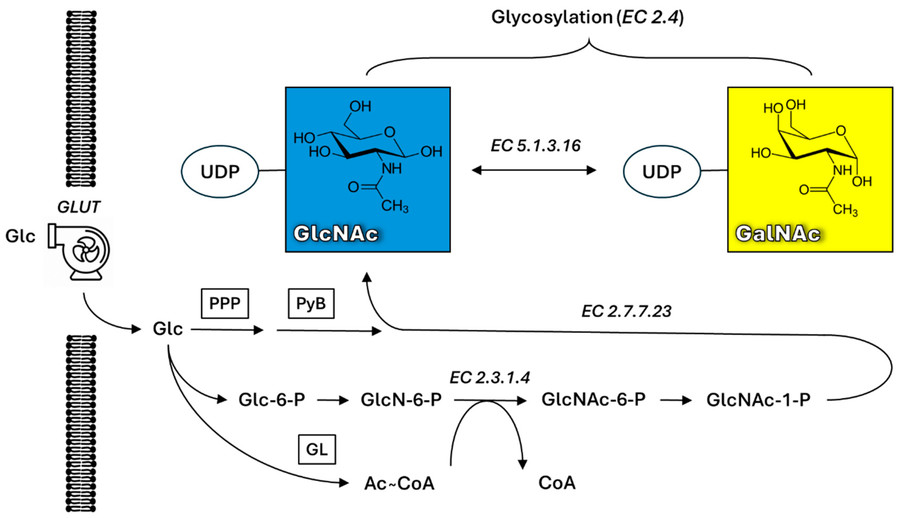 Fig.1 Glucose metabolism.1
Energy Metabolism
Glucose dominates central carbon metabolism, undergoing glycolysis to yield pyruvate (2 ATP/net gain) and feeding mitochondrial oxidative phosphorylation (30–36 ATP/glucose). Flux balance analysis is used to model monosaccharide utilization in engineered cell lines, enhancing industrial microbial ATP yields by 12–18%.
Genetic Material Assembly
Ribose phosphorylation generates ribonucleotide triphosphates (NTPs) for RNA synthesis, while deoxyribose forms DNA backbone chains. Our custom nucleotide synthesis platform achieves 99.2% purity in custom nucleoside production for gene therapy applications.
Structural Contributions
Xylose and arabinose polymerize into xylan (15–30% of woody biomass), influencing lignocellulosic biofuel efficiency. While N-acetylglucosamine (GlcNAc) strengthens chitin in arthropod exoskeletons and fungal cell walls.
Cellular Communication
Mannose trimming in the ER Golgi Intermediate Compartment (ERGIC) mediates glycoprotein quality control. Misfolded proteins bearing exposed mannose residues undergo EDEM1-mediated ER-associated degradation (ERAD). Creative Biolabs' glycan remodeling services optimize therapeutic antibody half-life by engineering Fc region mannose-6-phosphate signatures.
Key monosaccharide examples include glucose, fructose, and galactose (hexoses), as well as ribose and deoxyribose (pentoses), which form the backbone of RNA and DNA, respectively. They play core part in biological systems:
|
Monosaccharide
|
Function
|
Example
|
|
Glucose
|
Primary energy source for cells
|
Glycolysis & ATP production
|
|
Fructose
|
Energy source, found in fruits
|
Metabolized in liver
|
|
Galactose
|
Component of glycoproteins and glycolipids
|
Found in milk sugar (lactose)
|
|
Ribose
|
Structural component of RNA & ATP
|
Essential for nucleic acids
|
|
Deoxyribose
|
Backbone of DNA molecules
|
DNA synthesis
|
Monosaccharides in Energy Metabolism
Monosaccharides play a crucial role in metabolic pathways through their regulation of energy storage, utilization, and biosynthesis. The process of glycogenolysis transforms liver glycogen into glucose to preserve blood sugar levels during fasting conditions. Insulin and glucagon control glucose metabolism through strict regulation. Insulin facilitates glucose absorption in muscles and fat cells while glucagon activates glycogen degradation. The malfunction of this biological process results in type 2 diabetes which manifests as insulin resistance. A variety of monosaccharides participate in distinct pathways related to energy production.
|
Pathway
|
Key Monosaccharide
|
Function
|
|
Glycolysis
|
Glucose
|
Breaks down glucose to pyruvate, yielding 2 ATP
|
|
Pentose Phosphate
|
Glucose-6-phosphate
|
Generates NADPH and ribose for nucleotides
|
|
Glycogen Synthesis
|
Glucose
|
Stores excess glucose in liver/muscle as glycogen
|
|
Gluconeogenesis
|
Various (e.g., fructose)
|
Synthesizes glucose from non-carbohydrate sources
|
Monosaccharides in Cell Recognition and Immune Response
Cell surface glycans contain monosaccharides that facilitate cellular communication with the surrounding extracellular environment. Their functions include immune system detection processes and determining blood group types through pathogen-host communication mechanisms.
Blood Group Antigens and Transplant Compatibility
Blood transfusions require compatibility because the immune system recognizes foreign blood groups based on monosaccharide-based antigens. The ABO antigens are synthesized by glycosyltransferases that add specific monosaccharides to a common precursor (H antigen). Mismatched ABO antigens trigger severe transfusion reactions due to pre-existing anti-A/B antibodies. The blood group antigens (A, B, O) are essential in cellular recognition. These antigens are composed of different monosaccharides:
-
A antigen: Contains N-acetylgalactosamine.
-
B antigen: Contains galactose.
-
O antigen: Lacks these extra sugars.
Immune System Recognition and Pathogen Defense
-
Immune cells express lectins (e.g., C-type lectins) that bind pathogen-associated glycans. For example, mannose-binding lectins can recognize terminal mannose or GlcNAc residues on pathogens like bacteria and fungi, triggering phagocytosis or complement activation, and DC-SIGN on dendritic cells binds high-mannose glycans of viruses (e.g., HIV), facilitating viral capture and antigen presentation.
-
MHC-I glycoproteins present peptide antigens to T cells. Proper glycosylation (e.g., N-linked GlcNAc) stabilizes MHC-I structure, ensuring antigen loading. HIV GP120, a heavily glycosylated viral protein, uses glycans to shield epitopes from antibodies while binding host CD4 receptors.
|
Pathogen
|
Monosaccharide Target
|
Immune Function
|
|
Influenza virus
|
Binds to sialic acid on host cells
|
Allows viral entry
|
|
HIV
|
Glycans shield viral proteins
|
Evades immune detection
|
|
Helicobacter pylori (stomach ulcers)
|
Adheres to fucosylated glycans on gastric cells
|
Causes chronic infection
|
Monosaccharides in Signal Transduction Pathways
Monosaccharides and their derivatives function as direct participants in intracellular signaling which affects cellular reactions to external stimuli. Proteins receive a reversible sugar modification through O-GlcNAc (O-linked N-acetylglucosamine). This modification controls both transcription factors and metabolic enzymes alongside cytoskeletal proteins. Monosaccharides serve as necessary activators for specific growth factor receptors. Heparan sulfate proteoglycans are necessary for fibroblast growth factor (FGF) to bind and activate which leads to improved wound healing and tissue regeneration. At Creative Biolabs, our heparan sulfate analysis service provides precise structural and functional insights, accelerating research in blood coagulation, cell signaling, and disease mechanisms.
|
O-GlcNAcylation Function
|
Example
|
|
Controls insulin signaling
|
Regulates glucose metabolism
|
|
Affects neuronal plasticity
|
Implicated in Alzheimer's disease
|
|
Regulates cell cycle progression
|
Impacts cancer cell proliferation
|
Monosaccharides in Glycoconjugate Synthesis
Monosaccharides contribute to the synthesis of glycoconjugates, including glycoproteins, glycolipids, and glycosaminoglycans. These molecules play key roles in cell adhesion, extracellular matrix integrity, and intracellular transport.
Glycoproteins
Proteins modified with oligosaccharides form glycoproteins which facilitate cellular interactions within their environment. EPO functions as a glycoprotein hormone that promotes the production of red blood cells. The N-linked oligosaccharides present in its structure maintain both the stability and functionality of the protein. Several significant glycoproteins demonstrate important functions. At Creative Biolabs, we specialize in custom glycoprotein synthesis services, providing high-purity, precisely engineered glycoproteins to fuel breakthrough discoveries in biopharmaceuticals, targeted therapies, and biomedical innovations. Partner with us to accelerate your research with cutting-edge glycoprotein solutions!
|
Glycoprotein
|
Function
|
Example
|
|
Mucin
|
Protects epithelial surfaces
|
Found in mucus, preventing bacterial adhesion
|
|
Erythropoietin (EPO)
|
Regulates red blood cell production
|
Used as a therapeutic drug for anemia
|
|
Immunoglobulins (antibodies)
|
Immune defense
|
Help recognize and neutralize pathogens
|
|
Selectins
|
Mediate leukocyte adhesion
|
Enable immune cells to migrate to infection sites
|
Glycolipids
Glycolipids are monosaccharide-containing lipids embedded in cell membranes. They are essential for nerve conduction, immune recognition, and cell signaling. For example, gangliosides are glycolipids enriched in neurons, playing a role in brain development and memory formation. Mutations affecting ganglioside metabolism can lead to neurodegenerative diseases like Tay-Sachs disease. At Creative Biolabs, we specialize in custom glycolipid synthesis services, empowering researchers to unlock the full potential of glycolipids in neurological disorders, immune modulation, and infectious disease research. With our deep expertise in glycoengineering, we provide precise services to synthesize tailored glycolipids to meet the specific needs of biomedical applications, targeted drug discovery, and cutting-edge diagnostic tool development. Partner with Creative Biolabs to push the boundaries of glycolipid science today!
|
Glycolipid
|
Function
|
Example
|
|
Gangliosides
|
Neuronal cell signaling
|
Found in brain synapses
|
|
Globotriaosylceramide (Gb3)
|
Receptor for bacterial toxins
|
Targeted by Shiga toxin (E. coli)
|
|
Lactosylceramide
|
Inflammatory response regulation
|
Mediates immune signaling
|
Glycosaminoglycans (GAGs)
GAGs are long chains of repeating disaccharide units, providing hydration, elasticity, and mechanical support in tissues. Hyaluronic acid attracts water molecules, keeping tissues hydrated. It is widely used in cosmetic fillers and osteoarthritis treatments. At Creative Biolabs, we offer custom heparan sulfate/heparin synthesis and custom chondroitin sulfate synthesis services, alongside our glycosaminoglycan (gag) analysis service, delivering high-purity compounds and precise structural insights to advance biomedicine, regenerative therapies, and drug development.
|
GAGs
|
Function
|
Example
|
|
Hyaluronic acid
|
Lubricates joints, promotes wound healing
|
Found in synovial fluid
|
|
Chondroitin sulfate
|
Provides structural support in cartilage
|
Common in joint supplements
|
|
Heparan sulfate
|
Regulates blood clotting and cell signaling
|
Found in blood vessel linings
|
Applications of Monosaccharides
Monosaccharides play a pivotal role in medical diagnostics, disease management, and biotechnological advancements. Their structural diversity allows them to serve as biomarkers, therapeutic targets, and functional ingredients in pharmaceuticals and industrial processes.
Monosaccharides in Disease and Therapeutics
|
Application
|
Mechanism
|
Research and Example
|
|
Cancer Diagnostics
|
Tumor cells exhibit elevated glucose metabolism, which can be visualized using radiolabeled glucose analogs.
|
¹⁸F-FDG PET imaging detects metabolically active tumors. Clinical trials show its effectiveness in glioblastoma and breast cancer monitoring.
|
|
Diabetes Management
|
Continuous glucose monitoring (CGM) relies on glucose oxidase-based enzymatic sensors.
|
Real-time glucose biosensors like improve glycemic control and reduce hypoglycemia in type 1 and type 2 diabetes.
|
|
Antiviral Therapies
|
Viral adhesion to host cells often depends on interactions with monosaccharide receptors.
|
Oseltamivir, a sialic acid analog, inhibits neuraminidase, preventing influenza virus release.
|
|
Glycan-based Cancer Therapy
|
Altered glycosylation patterns in cancer cells can serve as immunotherapeutic targets.
|
Therapeutic monoclonal antibodies targeting aberrant glycosylation (e.g., sialyl-Tn antigen) show promise in breast and pancreatic cancer.
|
Glycoconjugates in Drug Development
Glycans modulate protein stability, bioavailability, and immune evasion. Advances of carbohydrate chain in glycobiology have led to the development of glycan-modified drugs with enhanced therapeutic efficacy.
-
Antibody-based therapies: The glycosylation of monoclonal antibodies (mAbs) affects their binding to immune effector cells. An anti-CD20 antibody exhibits enhanced efficacy when glycoengineered to increase Fc receptor affinity.
-
Glycolipid-based vaccines: Synthetic carbohydrate antigens are used in vaccines against bacterial infections.
-
Heparin and anticoagulants: Heparin, a highly sulfated glycosaminoglycan, is a first-line anticoagulant. Low-molecular-weight heparins (e.g., Enoxaparin) offer improved pharmacokinetics and reduced bleeding risk.
Monosaccharides in Industrial Biotechnology
Beyond medicine, monosaccharides contribute to various biotechnological innovations, including biofuels, food additives, and biomaterials.
|
Application
|
Monosaccharide Involved
|
Research and Example
|
|
Biofuels
|
Glucose, Xylose
|
Enzymatic hydrolysis of cellulose (glucose polymer) yields bioethanol. Saccharomyces cerevisiae engineered to ferment xylose increases bioethanol yield.
|
|
Prebiotics
|
Fructooligosaccharides (FOS), Mannan-oligosaccharides (MOS)
|
Dietary oligosaccharides promote beneficial gut microbiota. Bifidobacterium growth stimulation by FOS enhances gut health.
|
|
Biodegradable Polymers
|
Chitosan (from glucosamine)
|
Used in wound dressings for antimicrobial properties. Chitosan-based hydrogels accelerate wound healing by promoting fibroblast migration.
|
|
Food Industry
|
Isomaltulose, Trehalose
|
Functional sugars provide controlled energy release. Trehalose protects proteins from denaturation, used in frozen foods and pharmaceuticals.
|
Creative Biolabs delivers advanced monosaccharide synthesis solutions together with monosaccharide analysis services and glycoconjugation services and glycoengineering services for biomedical research applications as well as drug development and glycoengineering. We deliver top-quality monosaccharide and other glycans for your carbohydrate-related research. Contact us to advance glycoscience together!
Reference
-
Bertok, Tomas, et al. "N-Acetylated Monosaccharides and Derived Glycan Structures Occurring in N-and O-Glycans During Prostate Cancer Development." Cancers 16.22 (2024): 3786. Distributed under Open Access license CC BY 4.0, without modification. https://doi.org/10.3390/cancers16223786
Related Services
Resources
For Research Use Only.