Carbohydrate Chains and Their Role in Aging: Implications for Longevity
Carbohydrate chains (or glycans) serve as vital biomolecules that attach to proteins and lipids both on cell surfaces and within extracellular matrices. Aging organisms experience glycosylation modifications that disrupt vital biological functions, accelerate cellular aging, and increase vulnerability to age-related diseases. Scientific studies show that aging-related changes in glycosylation patterns lead to weakened immune responses, diminished DNA repair ability, and increased oxidative stress, which together contribute to biological deterioration. Creative Biolabs offers professional glycosylation analysis services to explain the effects of carbohydrate chain alterations on aging and disease development. Our advanced glycomics profiling services allow scientists to monitor changes in glycosylation patterns which supply essential information for aging research.
Carbohydrate Chains in Cellular Senescence and Oxidative Stress
The irreversible growth arrest state of cellular senescence shows a strong association with modifications in carbohydrate chain structure. This connection provides new perspectives on how molecular processes lead to cellular aging. Glycoproteins including integrins and cadherins, depending on particular glycosylation patterns to perform cell-cell adhesion and signaling functions. As organisms age, abnormal glycosylation hampers these essential cellular interactions, which activate the p53/p21 and NF-κB pathways, leading to senescence. During aging, tissues accumulate advanced glycation end products (AGEs) formed when sugars bind non-enzymatically to proteins, resulting in inflammation and mitochondrial dysfunction. These AGEs disrupt autophagy which is essential for eliminating damaged cellular components, ultimately accelerating cellular senescence.
Carbohydrate chains perform two distinct functions in the regulation of oxidative stress. On one hand, glycans on antioxidant enzymes like superoxide dismutase (SOD) stabilize their structure, ensuring efficient neutralization of reactive oxygen species (ROS). Conversely, oxidative stress damages glycans, creating a vicious cycle that undermines cellular resilience. Glycosylation also supports DNA repair mechanisms: O-GlcNAc modification of DNA repair proteins, such as PARP-1, enhances their activity, safeguarding genomic integrity. However, age-related declines in glycosylation efficiency leave cells vulnerable to cumulative oxidative damage, a key driver of aging. Creative Biolabs' glycan profiling and glycosylation testing services provide a detailed understanding of the molecular mechanisms behind oxidative stress and aging, supporting better disease prevention strategies.
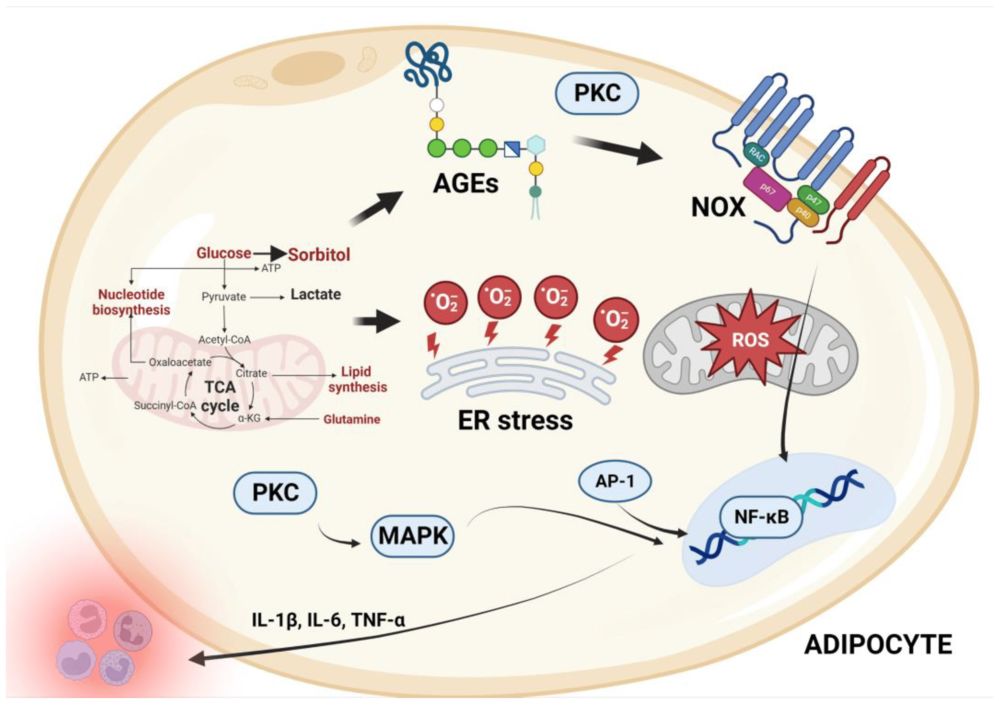 Fig.1 Proposed mechanisms underlying oxidative stress involving AGEs.1,3
Carbohydrate Chains in Age-Related Diseases
Improper regulation of glycosylation is a core indicator of age-related diseases. For instance, hyperglycosylation of amyloid-beta peptides in Alzheimer's disease leads to the formation of toxic plaque aggregates. In diabetes, patients experience reduced glucose uptake due to altered glycosylation of their insulin receptors, which worsens their metabolic dysfunction. Modified glycosylation of LDL cholesterol results in its increased retention in arterial walls, accelerating the development of atherosclerosis in cardiovascular diseases. Research has shown that cholesterol buildup can trigger cellular aging and is linked to changes in glycosylation patterns. When cholesterol accumulates, it alters the glycosylation processes inside cells, ultimately speeding up the aging process. Creative Biolabs offers comprehensive research on carbohydrate chain modifications in diseases, providing tailored solutions for drug development targeting these glycan-related pathways.
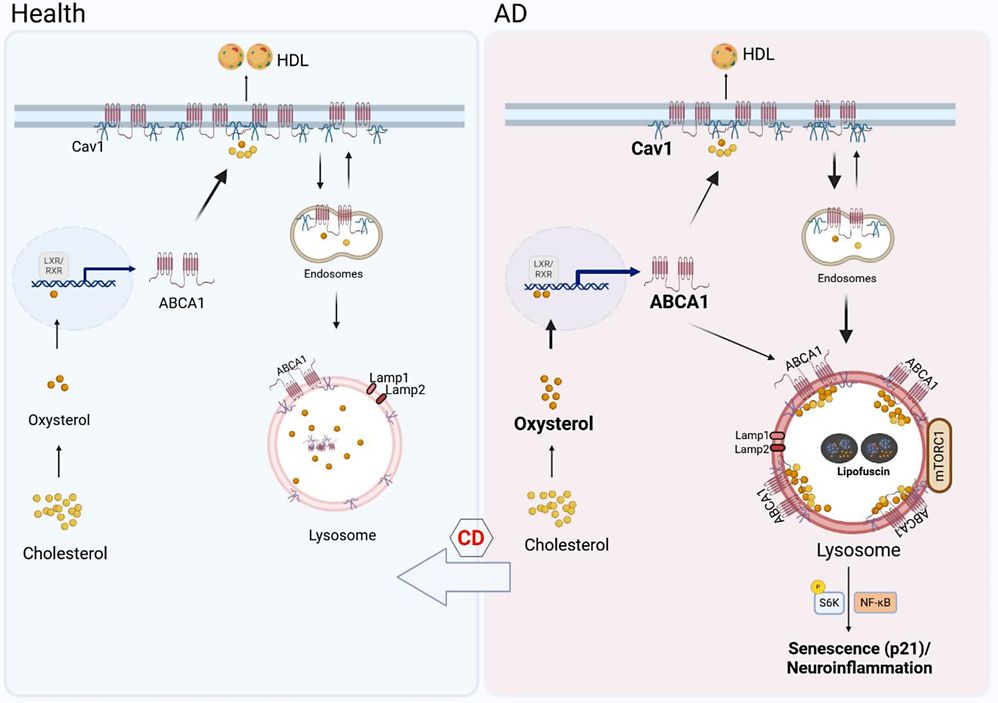 Fig.2 Carbohydrate chains in lipid metabolism and Alzheimer's disease.2,3
Carbohydrate Chains as Biomarkers of Aging
Glycosylation patterns are emerging as reliable biomarkers for aging. For example, the loss of sialic acid residues on immunoglobulin G (IgG) strongly correlates with chronic inflammation and immunosenescence. Similarly, increased branching of N-glycans on serum proteins is associated with biological age, independent of chronological age. Advanced techniques like mass spectrometry now enable precise profiling of these glycan changes, offering clinicians valuable tools to assess aging trajectories and tailor interventions. Such biomarkers could revolutionize the early detection of age-related decline and monitor therapeutic efficacy. Creative Biolabs' carbohydrate analysis services can assist researchers in identifying biomarkers linked to aging, providing data to support the development of precision medicine for age-related diseases.
|
Glycan Marker
|
Correlation with Age-Related Diseases
|
|
Sialic acid-containing glycans
|
Reduced levels associated with cognitive decline and Alzheimer's disease.
|
|
N-linked glycans
|
Altered patterns linked to cardiovascular diseases, diabetes, and improved longevity in some cases.
|
|
O-linked glycans
|
Changes in patterns associated with cellular senescence and aging-related immune dysfunction.
|
|
High-mannose glycans
|
Increased levels associated with inflammation and age-related diseases like diabetes and cardiovascular conditions.
|
|
Galactose-containing glycans
|
Reduced levels linked to neurodegenerative diseases, such as Alzheimer's and Parkinson's disease.
|
Therapeutic Potential of Carbohydrate Chains in Longevity
The strategic modification of carbohydrate chains presents a potential method for increasing healthspan. Metformin and alagebrium inhibit AGE formation and demonstrate potential for decreasing age-related inflammation alongside better metabolic health. Dietary supplements containing N-acetylmannosamine help restore communication between aging cells by increasing sialylation through the addition of sialic acid. Research teams are investigating glycoengineering approaches to create synthetic glycans that mimic youthful glycosylation patterns which might reverse cellular aging components. These innovations, combined with personalized glycoprofiling, could pave the way for precision longevity medicine. Creative Biolabs offers cutting-edge glycoengineering solutions that can help develop therapies targeting carbohydrate chain pathways to promote longevity.
Carbohydrate chains are not mere bystanders in aging; they are active regulators of cellular health and disease. By decoding their roles in senescence, oxidative stress, and age-related conditions, we can unlock transformative strategies to delay aging and enhance longevity. As research advances, harnessing the power of glycosylation could redefine how we approach aging—from reactive disease management to proactive health optimization. To learn more about how our advanced glycosylation analysis, glycoengineering solutions, and customized biomarker services can support your research on aging and longevity, contact us today and discover how we can help accelerate your scientific advancements.
References
-
Wang, Shaowei, et al. "Cellular senescence induced by cholesterol accumulation is mediated by lysosomal ABCA1 in APOE4 and AD." Research Square (2024). https://doi.org/10.1186/s13024-025-00802-7
-
Masenga, Sepiso K., et al. "Mechanisms of oxidative stress in metabolic syndrome." International journal of molecular sciences 24.9 (2023): 7898. https://doi.org/10.3390/ijms24097898
-
Distributed under Open Access license CC BY 4.0, without modification.
Related Services
Resources
For Research Use Only.