
mRNA Therapy Pros and Cons
mRNA therapy offers rapid, programmable, and transient protein expression without altering genomic DNA, making it well suited to vaccines, protein replacement, immunotherapy, and regenerative medicine. Its main advantages include flexible sequence design, scalable cell-free manufacturing, and adjustable expression, while key limitations involve RNA instability, inefficient tissue-specific delivery, innate immune activation, endosomal entrapment, and cold-chain requirements. The balance between these benefits and risks depends on the therapeutic target, administration route, formulation, dose, and desired expression duration.
Introduction
mRNA therapy is a therapeutic approach that delivers messenger RNA into cells to produce specific proteins for disease prevention or treatment. Creative Biolabs also provides custom mRNA synthesis, supporting sequence optimization, in vitro transcription, purification, and project-specific quality control for early therapeutic evaluation.
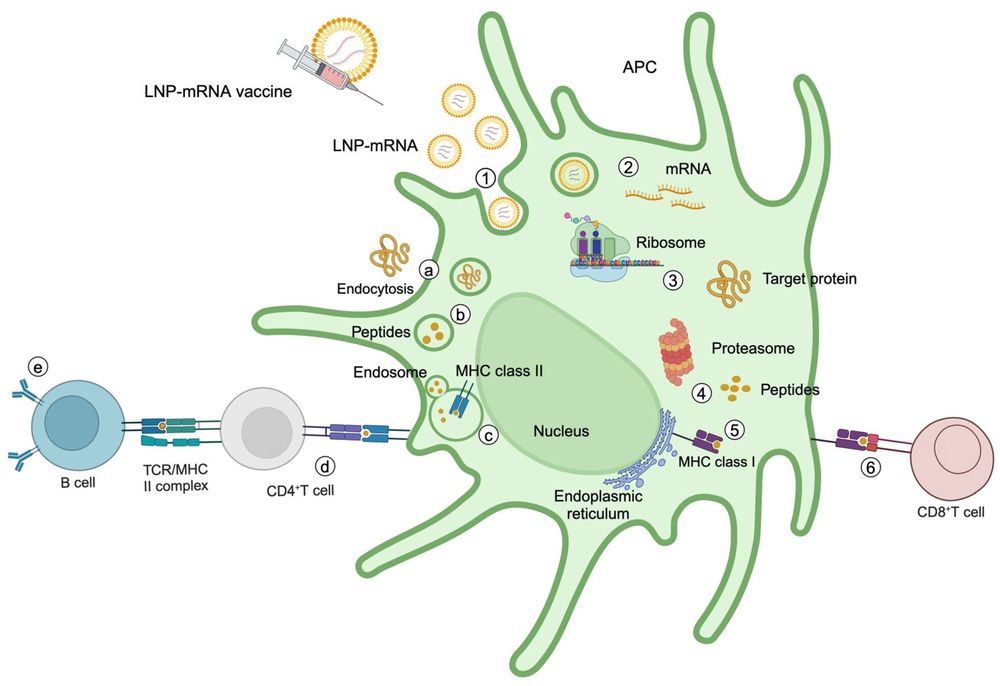 Figure 1. Mechanisms of action of mRNA cancer vaccines.1
Why mRNA Therapy Is Attractive?
Programmable Protein Production
mRNA separates therapeutic function from protein manufacturing inside the production facility. The product encodes a protein, while the patient's cells perform translation. Changing the coding sequence can therefore change the therapeutic protein without redesigning the entire manufacturing platform. This modularity has been demonstrated most clearly by mRNA vaccines, where sequence updates can be introduced while many process and formulation elements remain similar.
Cytosolic, Nonintegrating Action
The molecule acts in the cytosol and does not need to enter the nucleus. This is relevant for nondividing cells and avoids dependence on nuclear transport. Conventional mRNA is also not designed to integrate into genomic DNA, which reduces the insertional-mutagenesis concerns associated with integrating vectors. Expression is temporary because the RNA is degraded, creating a built-in off mechanism that can be advantageous for immune activation, cell reprogramming, and genome-editing enzymes.
Advantages Still Require Control
These advantages do not mean that mRNA is intrinsically safe or simple. Transient expression can be too short, delivery can concentrate the payload in unintended tissues, and repeated administration can introduce new immune and formulation risks. The platform is best understood as programmable but exposure-limited protein expression.
Major Advantages of mRNA Therapy
01 Platform Speed and Modularity
Speed and modular design are major strengths. A DNA template can be updated to encode a new antigen, protein variant, or combination of sequences, and the in vitro transcription process can remain largely platform-based. This enables rapid screening and is attractive for personalized cancer vaccines, outbreak response, and iterative protein engineering. The same general process can produce many protein-coding gene payloads, although each sequence still requires product-specific analytical and potency testing. mRNA can express proteins that are difficult to manufacture or deliver directly.
02 Nonintegration and Reversibility
Nonintegration and reversibility are important development advantages. The absence of a DNA intermediate in the intended mechanism reduces concerns about genomic insertion, and declining RNA abundance limits the duration of expression. This is useful for transient nucleases, transcription factors, or immune receptors where persistent expression could increase off-target effects. Dose can be adjusted across administrations, unlike a one-time durable vector whose expression may be difficult to reduce after delivery.
03 Cell-Free Manufacturing
Manufacturing can be cell-free and scalable. In vitro transcription avoids producer-cell systems used for many viral vectors. Platform processes can support rapid sequence changes and multiplexed payloads. mRNA can encode multiple antigens or protein subunits in one product, although transcript size, expression balance, and formulation become more complex. The success of mRNA vaccines has provided substantial experience in raw materials, analytics, fill-finish, and pharmacovigilance.
04 Programmable Pharmacology and Immunology
Finally, mRNA can combine pharmacologic and immunologic functions. For vaccines, the encoded antigen and innate sensing of the RNA-carrier system can work together. For cancer immunotherapy, the platform can encode patient-specific neoantigens, cytokines, costimulatory molecules, or antibodies. For tissue repair, it may provide a temporary regenerative signal without permanently altering the cell.
Limitations and Risk Factors of mRNA Therapy
01 Delivery and Exposure
The first limitation is delivery. Unprotected mRNA is unstable and poorly enters cells, so most in vivo products require LNPs or another carrier. Carrier biodistribution can dominate where protein is produced. Intravenous LNPs frequently reach the liver, while many extrahepatic tissues remain difficult. Local administration can improve exposure but may not fit diffuse disease. A strong sequence cannot compensate for inadequate cytosolic delivery.
02 Transient and Variable Expression
Expression is transient and variable. This is beneficial when reversibility is desired, but problematic for chronic protein deficiency or diseases requiring continuous exposure. Repeated dosing may be necessary, increasing cost and the possibility of carrier-related immunity, inflammation, or accumulation. Protein output can vary with cell state, age, disease, route, and innate immune activation. The relationship between administered mRNA mass and active protein exposure is therefore not always predictable.
03 Carrier-Related Risk
Formulation introduces its own risks. Ionizable lipids, PEG-lipids, helper lipids, polymers, or other excipients can contribute to reactogenicity, complement activation, organ exposure, and repeat-dose effects. Approved mRNA vaccines have well-characterized benefits, but their prescribing information also identifies product-specific adverse-event risks. These observations should not be extrapolated directly to every mRNA therapy, yet they show that safety is a property of the complete product and population, not of the RNA sequence alone.
04 Manufacturing and Stability
Manufacturing and storage remain challenging. mRNA integrity can be affected by hydrolysis, oxidation, nucleases, freeze-thaw, and lipid impurities. Cap efficiency, poly(A) distribution, double-stranded RNA, residual DNA, and truncated transcripts influence potency and tolerability. LNP size, encapsulation, morphology, and component ratios can shift during scale-up or storage. Cold-chain requirements may limit access, although new formulations are improving stability.
05 Encoded-Protein Risk
Finally, translation can create risks from the encoded protein. An mRNA product may generate excessive amounts, expression in unintended cells, an immunogenic protein, or a protein with intrinsic toxicity. Sequence optimization can alter folding or antigen processing. For secreted growth factors and cytokines, local concentration and systemic leakage can be more important than total RNA dose.
Table 1. Advantages and Limitations of mRNA Therapy
| Dimension | Advantage | Limitation | Development Implication |
|---|---|---|---|
| Genomic interaction | No intended integration and no nuclear entry requirement | Does not eliminate risks from delivery or encoded protein | Useful where temporary expression is preferred |
| Expression duration | Transient and dose-adjustable | May be too short for chronic replacement | Define the required exposure window early |
| Design flexibility | Sequence can be rapidly changed and multiplexed | Every sequence can alter potency, purity, and immunogenicity | Use platform processes with product-specific testing |
| Protein scope | Can encode intracellular, secreted, or membrane proteins | Expression level and folding depend on host cells | Measure functional protein, not RNA alone |
| Manufacturing | Cell-free IVT and scalable platform potential | Sensitive RNA and complex formulation require tight control | Link process parameters to potency |
| Immunity | Can provide useful vaccine adjuvanticity | Unwanted innate activation or anti-carrier responses | Tailor chemistry and formulation to application |
How Design Choices Shift the Benefit-Risk Balance?
Coding Sequence
- Codon optimization boosts expression, but aggressive optimization may alter ribosome kinetics, protein folding, or antigen presentation.
- GC content, uridine frequency, secondary structure, and cryptic sequence motifs should be reviewed together.
Cap, UTRs, and Poly(A)
- Cap chemistry and capping efficiency influence translation initiation and recognition of aberrant RNA.
- UTRs can be selected for tissue context and desired duration of expression.
- Poly(A) length modulates translation efficiency and stability.
Purification
- Purification is a design variable, not merely a manufacturing cleanup step.
- Double-stranded RNA and truncated products activate innate pathways and reduce translation.
- Chromatographic or other purification methods can materially change biological performance.
- Potency assays should use final process-representative RNA.
Delivery-System Composition
- Ionizable-lipid pKa, degradability, helper lipids, PEG content, particle size, and route of administration determine biodistribution and endosomal escape.
- A formulation optimized for vaccination may not be suitable for repeated protein replacement.
Expression Restriction
Expression can also be restricted through sequence logic. Cell-specific UTR behavior, microRNA-responsive elements, destabilizing motifs, or localized administration may reduce off-target production. These approaches relate to the broader challenge of controlling therapeutic gene expression, although each control element can reduce potency or add variability.
Application-Specific Pros and Cons
Preventive Vaccines
Preventive vaccines are the most clinically validated application. Advantages include rapid antigen redesign, scalable manufacturing, and strong humoral and cellular immune responses. Limitations include reactogenicity, cold-chain demands, and the need to match antigen design to evolving pathogens. The platform is particularly suitable for antigens for vaccination, where transient expression is sufficient and controlled innate activation can be useful.
mRNA-Encoded Antibodies
mRNA-encoded antibodies and intracellular antibodies can reduce the need to manufacture the full protein and can support molecules that are difficult to deliver. The risks are variable expression, immunogenicity, and inability to immediately stop protein production after dosing. The antibodies and intracellular antibodies application space therefore requires pharmacokinetic and functional assays for both RNA and encoded protein.
Table 2. Application-Specific Benefit-Risk Profile
| Application | Why mRNA Fits | Main Concern | Decision Readout |
|---|---|---|---|
| Preventive vaccine | Rapid antigen updates and immune priming | Reactogenicity and antigen durability | Neutralizing antibodies, T-cell response, safety |
| Personalized cancer vaccine | Fast multiplexed neoantigen encoding | Turnaround, antigen relevance, tumor immune suppression | Neoantigen-specific T cells and clinical biomarkers |
| Protein replacement | Nonintegrating and repeatable expression | Short duration and tissue delivery | Protein exposure and functional correction |
| Encoded antibody/cytokine | In vivo production of complex proteins | Overexpression and systemic leakage | Protein pharmacokinetics and target engagement |
| Genome editing | Transient nuclease expression may reduce prolonged off-target activity | Delivery of multiple components and editing toxicity | Editing profile, duration, and off-target assays |
| Ex vivo cell engineering | Carrier-free electroporation and temporary expression | Cell stress and phenotype change | Viability, phenotype, expression, and function |
How mRNA Compares with Other Modalities?
Table 3. Modality Selection Snapshot
| Modality | Typical Expression Profile | Key Strength | Key Trade-Off |
|---|---|---|---|
| mRNA | Rapid, transient | Programmable and nonintegrating | Delivery and repeat dosing |
| circRNA | Potentially extended, nonintegrating | Longer RNA persistence | Less mature manufacturing and translation control |
| Recombinant protein | Immediate systemic or local exposure | Direct dose and established analytics | Manufacturing complexity and limited intracellular access |
| Plasmid DNA | Potentially longer than mRNA | Stability and simple production | Nuclear entry and theoretical integration concern |
| Viral vector | Durable, vector-dependent | Efficient delivery and sustained expression | Immunity, payload limits, and limited reversibility |
| Genome editing | Potentially permanent | Direct correction or durable modification | Irreversibility and off-target risk |
Published Data
Case 1: Clinical Application of mRNA-Based Intracellular Protein Replacement in Propionic Accemia
This 2024 Nature study reports Phase 1/2 clinical trial results (NCT04159103) for mRNA-3927, marking a pioneer landmark for mRNA-based intracellular protein replacement therapies in non-vaccine settings. Propionic acidaemia (PA) is a life-threatening metabolic disorder caused by mutations in PCCA or PCCB, leading to a deficiency in propionyl-CoA carboxylase (PCC). mRNA-3927 utilizes lipid nanoparticles (LNPs) to co-encapsulate two mRNAs encoding the alpha and beta subunits of PCC for intravenous delivery to hepatocytes, restoring intracellular PCC enzyme activity. Across 16 pediatric and adult patients, mRNA-3927 demonstrated excellent safety with no dose-limiting toxicities. Crucially, treatment led to a 70% reduction in the risk of metabolic decompensation events (MDEs) and reduced toxic 3-hydroxypropionic acid (3-HP) levels in 87.5% of evaluated patients. This study validates mRNA as a "programmable protein drug" platform capable of transiently restoring intracellular functional enzymes in vivo to correct genetic metabolic diseases.
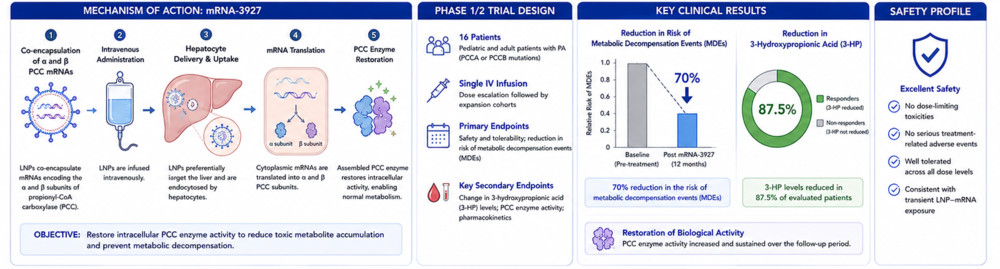 Figure 2. mRNA protein replacement therapy for propionic acidemia.
Frequently Asked Questions
Q: What is the biggest advantage of mRNA therapy?
A: Its main advantage is programmable, transient protein expression without an intended genomic integration step. This supports rapid sequence changes and applications where reversibility is valuable.
Q: What is the biggest limitation of mRNA therapy?
A: Delivery is usually the dominant limitation. mRNA must be protected, delivered to the correct tissue and cell, released from endosomes, and translated at a useful level without unacceptable inflammation.
Q: Is mRNA therapy permanent?
A: Conventional mRNA expression is temporary because the RNA is degraded. The biological effect can last longer than the RNA if it induces immunity, edits DNA, changes cell state, or produces a durable downstream response.
Q: Can mRNA therapy be repeatedly dosed?
A: Potentially, but repeated dosing must evaluate carrier immunity, complement activation, inflammation, organ accumulation, changes in exposure, and adaptive responses to the encoded protein.
Q: Does mRNA enter the genome?
A: The intended mechanism of conventional mRNA therapy occurs in the cytosol and does not require conversion to DNA or genomic integration. This does not mean the complete product is risk-free; carrier and protein effects still require evaluation.
Q: When is mRNA less suitable than a viral vector or protein therapy?
A: mRNA may be less suitable when very long expression is required, the target tissue cannot be efficiently reached, or repeated dosing is impractical. A viral vector may provide durability, while a protein therapy may offer more direct dose control.
Overview of What Creative Biolabs Can Provide
Creative Biolabs can support mRNA programs by connecting sequence design, synthesis, delivery formulation, organ-targeting concepts, and alternative carrier development. The service combination should reflect whether the project prioritizes rapid expression, repeat dosing, tissue selectivity, or a specialized intracellular destination.
| Research Need | Related Creative Biolabs Support | How It Connects to the Current Resource Topic |
|---|---|---|
| Project-specific mRNA production | Custom mRNA Synthesis | Supports sequence-defined mRNA generation for vaccines, protein expression, cell engineering, or comparative studies. |
| Organelle-focused payload design | Custom Mitochondrial Targeting mRNA Synthesis | Supports mRNA constructs intended to express proteins with mitochondrial targeting requirements. |
| Lipid-based delivery development | Lipid Nanoparticle (LNP) | Addresses encapsulation, particle design, and delivery of mRNA when a clinically established nonviral platform is appropriate. |
| Mitochondrial carrier exploration | Mitochondrial Targeting LNP | Connects organelle-directed mRNA concepts with a specialized lipid-based delivery strategy. |
| Alternative nanoparticle development | Custom Nanoparticles Service | Supports projects requiring carrier chemistries or biodistribution profiles beyond standard LNP formulations. |
| Polymeric carrier development | Custom Polymers Service | Supports polymer screening and optimization for mRNA complexation, protection, and intracellular release. |
| Polyplex-based delivery | Development of Polyplexe as Gene Delivery System | Provides a defined development path for polymer-mRNA complexes and comparative nonviral delivery studies. |
Projects can be configured around the intended payload, expression window, target cell, route, and validation depth. Researchers may contact us today to discuss a fit-for-purpose study plan.
References
- Vélez D E, Torres B L, Hernández G. The bright future of mRNA as a therapeutic molecule. Genes, 2025, 16(4): 376. https://doi.org/10.3390/genes16040376 Distributed under Open Access license CC BY 4.0, with modification.
- Koeberl D, Schulze A, Sondheimer N, et al. Interim analyses of a first-in-human phase 1/2 mRNA trial for propionic acidaemia. Nature, 2024, 628(8009): 872-877. https://doi.org/10.1038/s41586-024-07266-7
