
From Molecular Synthesis to Supramolecular Structure: Deciphering the Activity of RNA Lipid Nanoparticles
 11:00 AM EDT | October 27, 2026
Lipid nanoparticles (LNPs) have revolutionized medicine as delivery vehicles for mRNA vaccines, gene therapies, and other nucleic acid therapeutics. Despite their clinical success, the structure–activity relationships connecting molecular and supramolecular structure with biological efficacy remain poorly understood, limiting the rational design of next-generation LNP systems.
In this webinar, Dr. Marshall Padilla will present a convergent approach that integrates modular chemical synthesis with high-resolution biophysical characterization to better understand how LNP structure influences biological activity. First, he will discuss the development of a facile synthetic platform for generating a library of Branched Endosomal Disruptor (BEND) lipids. By introducing specific branching motifs at lipid termini, small molecular changes were shown to significantly improve endosomal escape, a key barrier to efficient intracellular delivery. These engineered lipids demonstrated enhanced delivery of mRNA and Cas9 ribonucleoprotein complexes in hepatic gene editing models and primary human T cells.
The webinar will also explore advanced approaches for analyzing LNP structure. Using a multimodal pipeline including analytical ultracentrifugation, multiangle light scattering, and small-angle X-ray scattering, researchers were able to resolve the structural heterogeneity of LNP formulations. These studies revealed non-spherical, ellipsoidal morphologies and distinct internal organization that can correlate with RNA delivery performance in specific biological applications. Together, these findings establish new structure–activity relationships linking molecular lipid design, supramolecular organization, and biological function, providing valuable insights for the rational engineering of more effective RNA LNP delivery systems.
Key Topics
- Molecular design of BEND lipids for enhanced endosomal escape
- Delivery of mRNA and Cas9 ribonucleoprotein complexes
- Advanced biophysical characterization of LNP structure and heterogeneity
- Relationships between supramolecular organization and RNA delivery
- Rational design strategies for next-generation RNA lipid nanoparticles
 Register Now
 Speaker
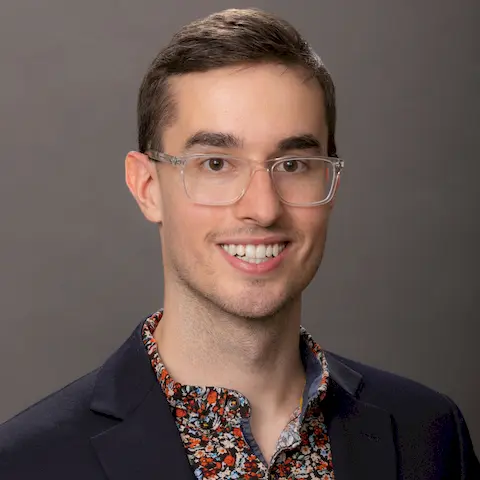
Marshall Scott Padilla, PhD
Assistant Professor
Materials Science & Engineering
Sarafan ChEM-H Institute Scholar
Stanford University
Dr. Marshall Padilla received his Ph.D. in chemistry from the University of Wisconsin–Madison, where he developed new hydrophobic biomaterials for nanoemulsion-based drug delivery systems.
Currently, Dr. Padilla is an NIH K99 Postdoctoral Fellow in the Department of Bioengineering at the University of Pennsylvania, under the mentorship of Professor Mike Mitchell. He is also an incoming Assistant Professor in Materials Science & Engineering and Sarafan ChEM-H Institute Scholar at Stanford University.
His research focuses on identifying the rulebooks for RNA lipid nanoparticles using chemical, biophysical, and cellular biological approaches, specifically for gene editing and immunotherapy for cancer and other diseases.