

Anti-Dermatan Sulfate (DS) Antibody Development Service
Dermatan sulfate (DS), formerly known as chondroitin sulfate B, is a specialized glycosaminoglycan (GAG) that plays pivotal roles in tissue morphogenesis, coagulation, and cellular signaling. Despite its biological significance, studying DS has been historically challenging due to its close structural similarity to chondroitin sulfate and the complexity of its sulfation patterns. At Creative Biolabs, we have overcome these barriers by establishing a comprehensive platform for the generation of specific anti-dermatan sulfate antibodies within our anti-glycosaminoglycan (GAG) antibody development program. Our expert team leverages advanced antigen design and screening technologies to produce high-affinity reagents that can distinguish DS from other GAGs, providing researchers with the precision tools needed for oncology, fibrosis, and cardiovascular investigations.
Background: The Specificity Challenge of Dermatan Sulfate
Dermatan sulfate is a galactosaminoglycan consisting of repeating disaccharide units of N-acetylgalactosamine (GalNAc) and iduronic acid (IdoA), often sulfated at the C-4 position of GalNAc. The key structural feature that differentiates DS from chondroitin sulfate (CS) is the presence of IdoA, which is formed by the epimerization of glucuronic acid (GlcA). This seemingly minor modification imparts significant flexibility to the polymer chain and enables specific interactions with growth factors (such as FGF-2 and HGF), coagulation factors (heparin cofactor II), and extracellular matrix proteins.
The development of an anti-dermatan sulfate antibody faces a primary hurdle: immunogenicity and cross-reactivity. Because the sugar backbone of DS is highly conserved and structurally related to CS-A and CS-C, traditional immunization strategies often yield antibodies with broad, non-specific binding profiles. Furthermore, the variable sulfation patterns create "micro-heterogeneity," meaning a generic anti-GAG antibody may fail to detect biologically active motifs. Researchers require a custom anti-dermatan sulfate monoclonal antibody that can specifically recognize the IdoA-containing motifs or specific sulfation sequences (sulfation motif antibody) without cross-reacting with the abundant glucuronic acid-rich chains of chondroitin sulfate.
Project Workflow
Request a Quote for Anti-DS Antibody Service
Comprehensive Service Portfolio
We offer a modular service structure allowing clients to select individual components or a full end-to-end development package. Our capabilities extend beyond standard IgG production to include specialized formats and advanced characterization.
Custom Anti-Dermatan Sulfate Monoclonal Antibody Generation
We utilize optimized immunization protocols with DS-neoglycolipids or DS-peptide conjugates to break tolerance in host animals. For difficult targets, our phage display libraries allow us to isolate binders against specific sulfation motifs that are often non-immunogenic in vivo. This service includes the development of antibodies that specifically recognize the IdoA-GalNAc backbone, distinguishing DS from GlcA-containing CS chains.
Neo-epitope GAG Antibody Development
Enzymatic remodeling of the extracellular matrix in cancer often generates unique "stubs" or neo-epitopes of dermatan sulfate. We develop antibodies that target these digestion products (generated by MMPs or sulfatases). These reagents are invaluable as potential diagnostic biomarkers for metastatic potential or tissue remodeling in fibrosis.
Anti-GAG Antibody for Drug Development
With the rise of GAG-targeted therapeutics, validated antibodies are required for pharmacokinetic (PK) assays. We develop anti-DS antibodies suitable for quantifying therapeutic GAG levels in serum or tissue. These antibodies are validated for lack of interference from endogenous serum GAGs, ensuring accurate measurement in clinical trial samples.
Sulfation-Specific Antibody Engineering
DS chains can be heavily sulfated (e.g., DS-4S,6S) or undersulfated depending on the tissue. We offer a sulfation motif antibody service where we screen for clones that bind only to specific sulfation patterns, such as over-sulfated motifs found in certain tumors, providing a high-resolution tool for glycan profiling.
Why Choose Creative Biolabs?
Defined Specificity
Rigorous counter-screening against CS-A, CS-C, and Heparin ensures the antibody targets DS specifically.
Advanced Validation
We use enzymatic digestion controls (Chondroitinase B specific cleavage) to confirm binding authenticity.
Versatile Applications
Suitable for anti-DS antibody for cardiovascular research, fibrosis studies, and tumor microenvironment analysis.
Multi-Platform Tech
Access to both hybridoma and recombinant phage display for generating diverse anti-GAG antibody profiles.
How to Start Your Project
Starting a custom glycosaminoglycan antibody production project with us is straightforward. We begin with a technical assessment of your target specificity requirements—specifically, whether you need to distinguish DS from CS, or if you are targeting a specific sulfation motif.
Please provide the following information when you inquire:
- Target Definition: Do you need a general anti-DS antibody or a sulfation-specific clone?
- Application: Will the antibody be used for ELISA, Flow Cytometry, or Immunohistochemistry (IHC)? This dictates the screening strategy.
- Cross-Reactivity Tolerance: What is the acceptable level of binding to Chondroitin Sulfate A or C?
Contact Us to Discuss Your Anti-DS Antibody Needs
Published Data
Recent research underscores the utility of specific antibody-based tools in deciphering the structural complexity of dermatan sulfate in disease contexts. A significant study utilized specific antibodies and enzymatic digestion to analyze the accumulation of dermatan sulfate in connective tissue disorders. The study highlighted that defects in dermatan sulfate epimerase enzymes lead to altered IdoA content, which can be detected via specific immunological assays.
The figure below illustrates a representative analysis of dermatan sulfate chain composition. Researchers used specific detection methods to quantify the ratio of iduronic acid to glucuronic acid in skin fibroblasts derived from subjects with DS-biosynthesis defects compared to healthy controls. This type of analysis, often facilitated by a dermatan sulfate specific antibody or DS-binding probes, is crucial for diagnosing Ehlers-Danlos syndrome and understanding fibrosis mechanisms. The data confirms that specific molecular tools can reliably discriminate between DS and CS structures in complex biological samples.
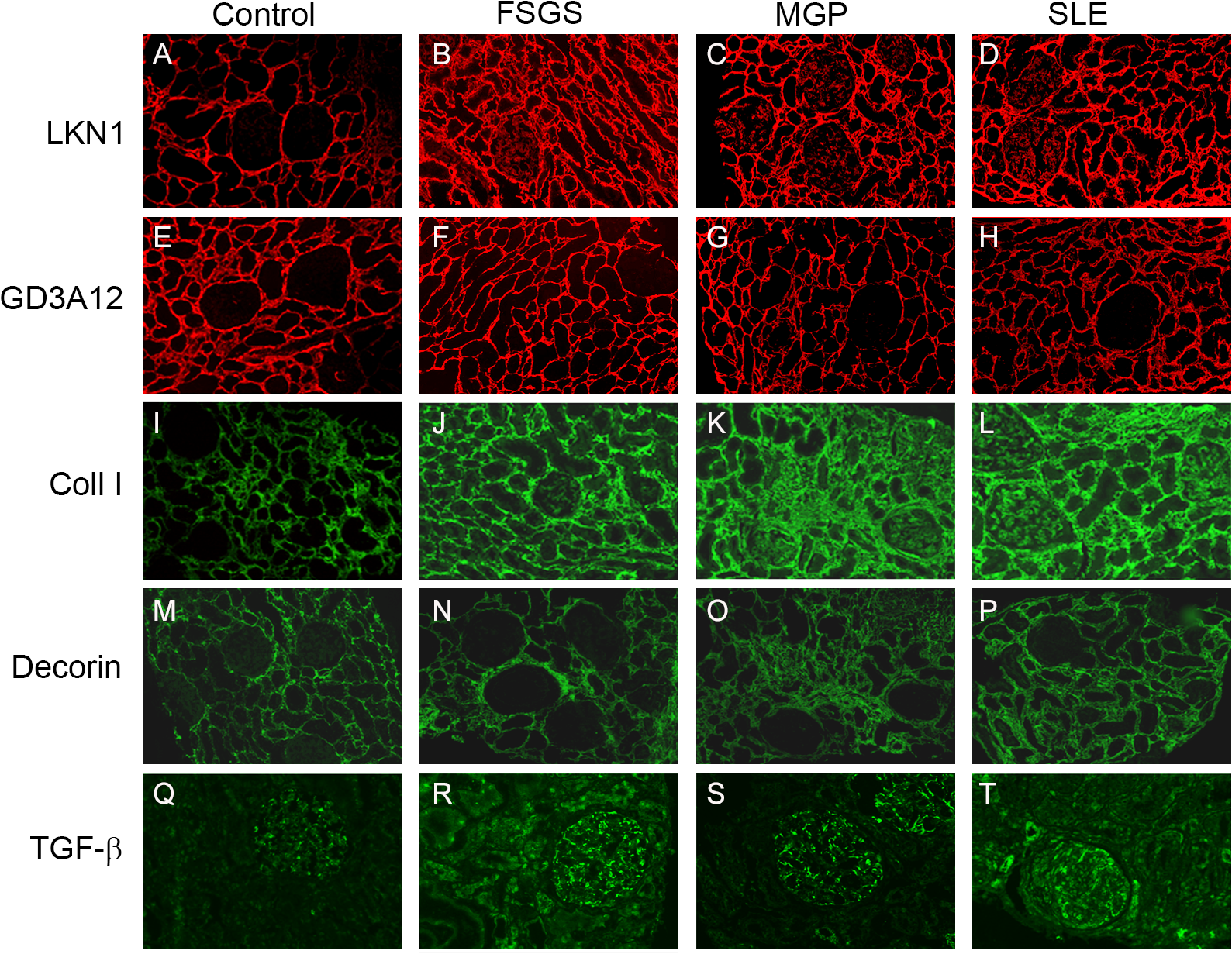 Fig.1
Analysis of iduronic acid content in dermatan sulfate chains from skin fibroblasts.1
Fig.1
Analysis of iduronic acid content in dermatan sulfate chains from skin fibroblasts.1
FAQs
How do you distinguish Dermatan Sulfate (DS) from Chondroitin Sulfate (CS) during antibody screening?
We utilize a rigorous counter-selection strategy. We screen positive clones against DS targets while simultaneously selecting against CS-A and CS-C. Additionally, we use specific enzymes (Chondroitinase B, which digests only DS, versus Chondroitinase AC) to validate that the antibody binding is abolished only when the DS component is removed.
Can you generate antibodies against specific sulfated motifs of DS?
Yes. Using our phage display platform and synthetic oligosaccharide antigens, we can isolate binders to specific sulfation patterns (e.g., 4-O-sulfated or 2,4-di-O-sulfated motifs). This is our "sulfation motif antibody" service, ideal for identifying disease-specific GAG signatures.
What host species are available for anti-DS antibody development?
We offer development in mice (monoclonal), rabbits (polyclonal and monoclonal), and llamas (VHH). Rabbit monoclonal antibodies are particularly effective for GAG targets due to their high affinity and diversity, which is beneficial for recognizing subtle carbohydrate epitopes.
Do you offer antibodies for other GAGs like Keratan Sulfate or Hyaluronic Acid?
Yes, we provide a full suite of GAG antibody services, including custom anti-keratan sulfate antibody, custom anti-heparan sulfate antibody, and custom anti-hyaluronic acid antibody development. Each service is tailored to the unique chemical properties of the specific GAG.
Reference:
- Lensen, J. F., et al. "Differential expression of specific dermatan sulfate domains in renal pathology." PLoS ONE 10.8 (2015): e0134946. Distributed under Open Access license CC BY 4.0, without modification. https://doi.org/10.1371/journal.pone.0134946
Supports
- Anti-Heparan Sulfate (HS) Antibody Development Service
- Anti-Chondroitin Sulfate (CS) Antibody Development Service
- Anti-Dermatan Sulfate (DS) Antibody Development Service
- Anti-Keratan Sulfate (KS) Antibody Development Service
- Anti-Hyaluronic Acid (HA) Antibody Development Service
- Anti-GAG Sulfation Motif (Neo-epitope) Antibody Development Service
- Tumor-Associated GAG Antibody Development Service