


Featured Services
At Creative Biolabs, we focus on one of the most critical and complex areas of modern biology: the science of anti-glycan antibodies and glycosylation. We know from experience that the beautiful complexity of glycans—the "sugar code" that decorates nearly every cell—also presents significant analytical and engineering hurdles for researchers. Our entire mission is built around removing those barriers for you. We believe that no researcher should be held back by technical limitations when the answers to critical questions about disease, immunity, and drug efficacy are waiting to be found within the glycome. Here is your guide to our integrated suite of expert-led services. Think of it as a clear roadmap, where each service is a tool specifically designed to help you analyze, engineer, and target glycans with the absolute precision and confidence that your most important research demands.
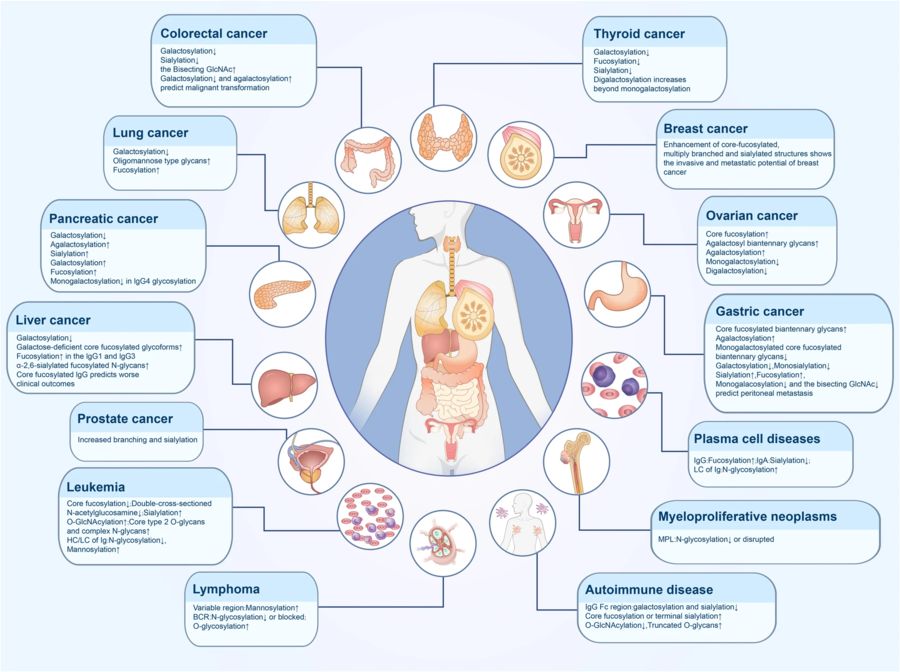
Glycosylation Analysis
Decoding the sugar code of a biological system is the first step toward understanding its function. Glycosylation is not a one-size-fits-all process; the slightest change in a glycan's structure can dramatically alter a protein's stability, function, or ability to be recognized by the immune system. Our glycosylation analysis services are designed to provide a crystal-clear, high-resolution picture of these crucial modifications. We go beyond simple detection to deliver comprehensive characterization, giving you the detailed structural information needed to connect glycosylation patterns with biological outcomes. Our team uses a multi-platform approach to build a complete profile of your sample.
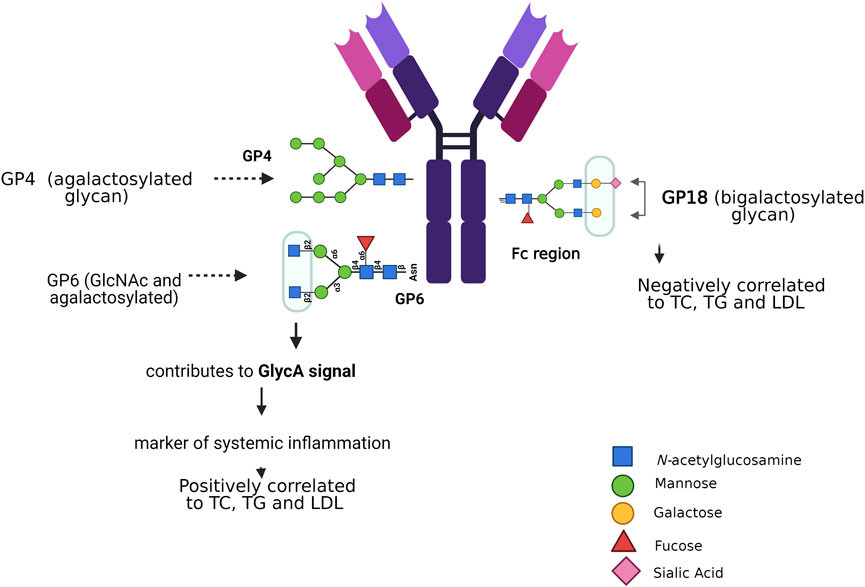
Custom Glycosylation
Beyond simply analyzing existing glycans, the true power of glycobiology lies in the ability to precisely engineer them. Our custom glycosylation services allow you to move from observation to active intervention. This is the field of glycoengineering, where we strategically add or modify glycans on a range of molecules to enhance their function and create novel research tools. By controlling glycosylation, you can fine-tune a molecule's stability, solubility, bioavailability, and targeting specificity. Our team combines enzymatic, chemo-enzymatic, and chemical synthesis methods to build custom glycoconjugates with unparalleled precision, tailored perfectly to your application. We offer custom glycosylation for a diverse array of molecules:
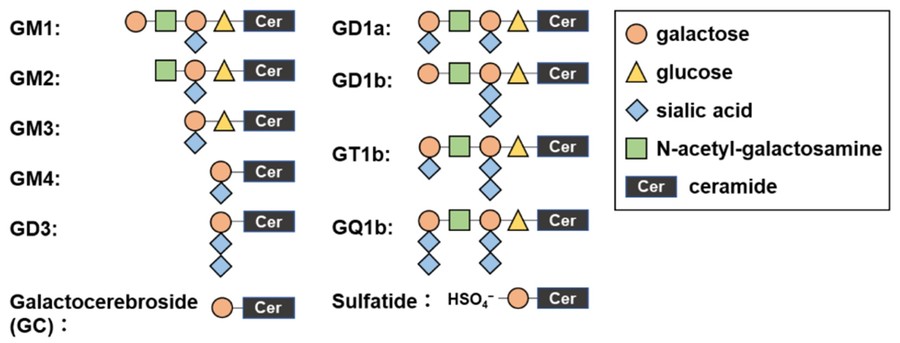
Anti-Glycolipid Antibody Development
Glycolipids, with their carbohydrate heads displayed on the cell surface, are exceptional targets for diagnostics and therapeutics, particularly in oncology and neurology. However, developing high-quality antibodies against them is notoriously difficult. As they are lipids and carbohydrates, not proteins, they are often poorly immunogenic and require highly specialized strategies to elicit a specific and high-affinity antibody response. At Creative Biolabs, we have mastered the art of developing antibodies against these challenging targets. We leverage a suite of advanced platforms, including specialized immunization strategies and phage display library screening, to successfully generate antibodies that recognize glycolipid structures with exquisite specificity. Our scientists have extensive experience in developing high-affinity antibodies for research, against a wide range of gangliosides including GM1, GM2, GM3, GD1a, GD1b, GD2, GD3, GT1a, GT1b, GQ1b. But our expertise is not limited to gangliosides. We can successfully develop monoclonal and polyclonal antibodies against a broad spectrum of other glycolipid targets, including globosides, sulfatides, galactocerebroside, and blood group glycolipids relevant to your research interests.
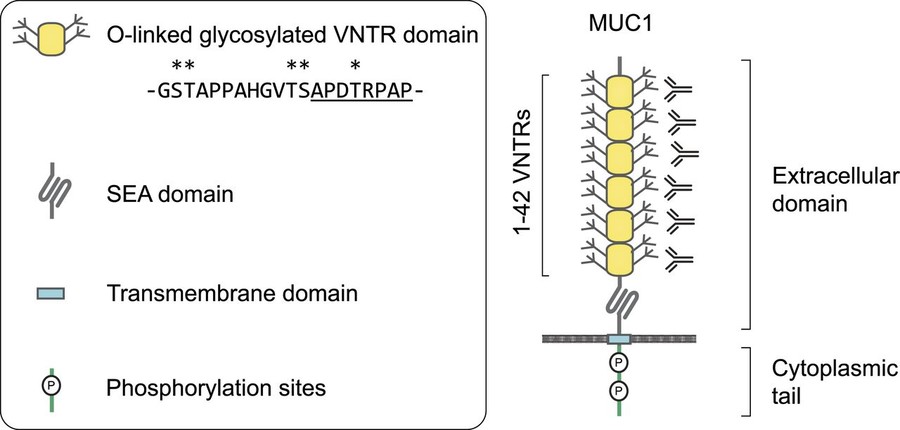
Anti-MUC1 Glycan Antibody Development
The mucin 1 (MUC1) protein is one of the most promising targets in cancer therapy. In healthy tissues, its extracellular domain is covered in long, complex, heavily branched glycans. However, in many cancers (including breast, ovarian, and pancreatic), MUC1 becomes under-glycosylated. This process exposes short, truncated glycan structures on the protein's peptide backbone, known as tumor-associated carbohydrate antigens (TACAs), such as the Tn, sialyl-Tn (STn), and T antigens. These glycoforms are unique to cancer cells, making them a highly specific bullseye for targeted therapies. Developing an antibody that can precisely recognize these specific glyco-epitopes on the MUC1 backbone is a significant challenge, requiring a sophisticated approach that goes far beyond standard antibody development. The antibody must be specific to the combined peptide-glycan structure, not just the peptide or the glycan alone. Creative Biolabs has developed a specialized platform dedicated to this very challenge. We use strategically designed glycopeptide immunogens and advanced screening methods to isolate rare antibody clones with pinpoint specificity for cancer-associated MUC1 glycoforms, providing powerful research tools for developing next-generation antibody-drug conjugates (ADCs) and CAR-T cell therapies.
Navigating the landscape of glycoscience requires a partner with both deep technical expertise and a genuine commitment to your project's success. We invite you to connect with our team of Ph.D.-level scientists to start a conversation about your specific goals. Whether you are validating a new target or characterizing a complex biological system, our priority is to provide a tailored, effective solution that delivers clear and actionable data. Contact us and let us be your partners in translating glycan complexity into your next breakthrough.
Supports
- Carbohydrate Antigens
- Glycan In Disease
- Glycoarray Platforms
- Understanding Glycosylation
- Glycan Science
- Glycosylation Analysis
- Custom Glycosylation
- Anti-TACA Antibody Development
- Anti-Glycolipid Antibody Development
- Anti-Sialic Acid Antibody Development
- Anti-Glycopeptide Antibody Development
- Non-Human Glycan Antibody Development
- Anti-Glycosaminoglycan (GAG) Antibody Development
- Anti-Bacterial (Gram-Negative) Glycan & LPS Antibody Development
- Anti-Bacterial (Gram-Positive) Glycan & LTA Antibody Development
- Anti-Fungal Glycan Antibody Development
- Anti-Plant & Algal Glycan Antibody Development
- Anti-Viral Glycan Shield Antibody Development
- Anti-Glycan Related Enzyme Antibody Development
- Anti-Glycan Antibody Research Services
- Glycolipid Insights