


Oligosaccharide Microarray
What is an Oligosaccharide Microarray?
Oligosaccharide microarrays are platforms where oligosaccharides with defined structures are fixed onto solid surfaces in a small, arrayed way. Each spot stands for a specific oligosaccharide structure. Common solid supports include glass slides and nitrocellulose membranes. Oligosaccharide microarrays can be designed with a variety of sugar molecules, such as glucose, galactose, mannose, fucose, and sialic acid, among others, which are immobilized onto the surface of the array. Each spot on the array corresponds to a specific oligosaccharide, and the strength of the interaction can be measured by detecting the binding of labeled proteins or other analytes to the glycan. This high-throughput method can quickly and accurately evaluate the binding properties of oligosaccharides with target molecules. For different project objective, such as mapping antibody epitopes, assaying enzyme activity, identifying pathogens, or studying cell adhesion, Creative Biolabs offers highly customizable oligosaccharide microarrays to match the specific requirements of your study.
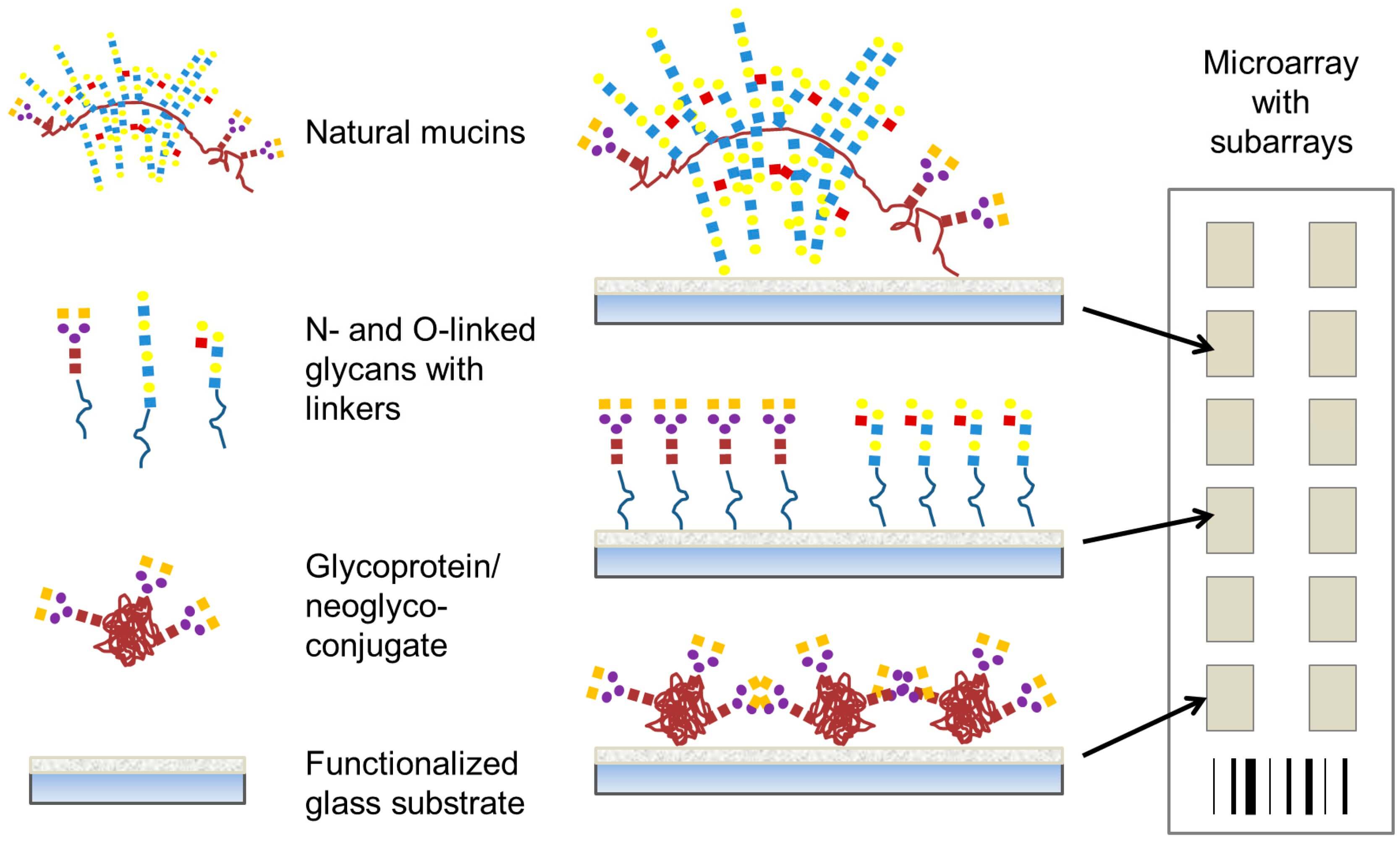 Fig.1 Different types of carbohydrate structures on microarrays.1,4
Oligosaccharide Sources
- Natural extraction: Oligosaccharides are obtained by partially hydrolyzing polysaccharides, like those from plant cell walls.
- Chemical synthesis: Oligosaccharides are synthetically made with specific sequences to ensure accurate structures.
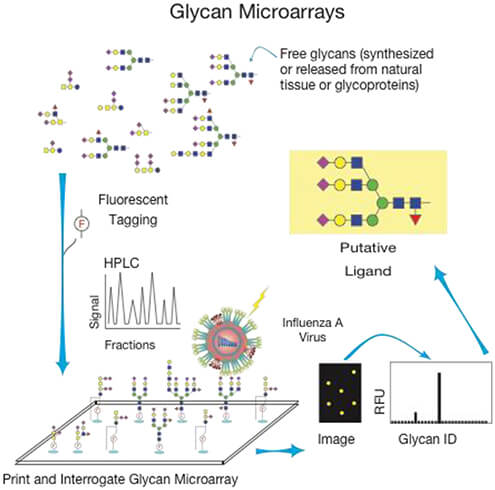 Fig.2 Simple method for making and using glycan microarrays.2,4
Immobilization Techniques
- Covalent coupling: Aminated oligosaccharides are covalently immobilized to activated glass surfaces via chemical reactions, such as NHS-ester-mediated conjugation.
- Non-covalent immobilization: Oligosaccharides are connected to lipids and then adsorbed onto nitrocellulose membranes.
- Carrier protein conjugation: Oligosaccharides are combined with bovine serum albumin (BSA) to form neoglycoconjugates. Then, these are spotted onto the array surface.
Our Oligosaccharide Microarray Services at Creative Biolabs
At Creative Biolabs, we provide a full suite of research-use-only glycan microarray services designed to meet the diverse and evolving needs of glycoscience researchers. Our oligosaccharide platform integrates high-throughput microarray fabrication, precise glycan immobilization, and custom assay development to support projects ranging from basic glycomics to complex therapeutic investigations.
What We Offer:
- Custom Oligosaccharide Panel Design: Choose from our comprehensive glycan library—including N-glycans, O-glycans, human milk oligosaccharides (HMOs), glycosaminoglycans (GAGs), and blood group antigens—or provide your own glycans for immobilization. Our team will work with you to design a chip layout that suits your experimental needs.
- Microarray Fabrication and Quality Control: We fabricate each microarray using robotic spotting systems that ensure uniformity and reproducibility across slides. Rigorous quality control checks confirm glycan integrity, density, and spot consistency.
- Binding Assays and Data Acquisition: Our scientists conduct binding assays using labeled proteins, antibodies, lectins, or whole cells, followed by fluorescence or chemiluminescence scanning. We ensure optimal signal-to-noise ratio for accurate interaction profiling.
- Data Analysis and Reporting: You will receive a comprehensive report including raw data, processed heatmaps or scatter plots, glycan-binding profiles, and expert interpretation. We also offer statistical analysis and glycoepitope mapping upon request.
- Flexible Format Options: Microarrays can be produced in slide-based formats suitable for single or multiplex screening. Both one-time and batch processing are available depending on the scale and throughput required.
You May Need Precise Oligosaccharide Microarrays
If you are studying glycobiology, immunology, cancer research, or drug discovery, oligosaccharide microarrays could significantly enhance your research capabilities. This advanced technology provides a high-throughput, efficient platform for exploring glycan-protein interactions, profiling glycan binding, and discovering new biomarkers and therapeutic targets. At Creative Biolabs, we specialize in developing customized oligosaccharide microarrays tailored to your specific research needs. Here are some key applications where oligosaccharide microarrays can support your work:
Glycan-Protein Interaction Studies
Creative Biolabs offers oligosaccharide microarrays that help you probe complex glycan-binding proteins. Whether you're exploring protein-carbohydrate interactions in immune recognition, cell signaling, or pathogen-host interactions, our platform allows you to simultaneously analyze a vast array of glycan-protein interactions, helping you identify potential therapeutic targets and understand disease mechanisms.
Cancer Research and Biomarker Discovery
If you're focusing on cancer, tumor microenvironment, or glycan-based biomarkers, oligosaccharide microarrays at Creative Biolabs are an invaluable tool. Many cancers exhibit abnormal glycosylation patterns, and understanding these changes can lead to the identification of novel diagnostic and prognostic markers. Our microarrays allow for the high-throughput screening of tumor-associated carbohydrate antigens (TACAs) and other glycan biomarkers in serum or tissue samples.
Infectious Disease and Pathogen-Host Interaction Studies
For infectious disease research, oligosaccharide microarrays provide insights into how pathogens, including viruses and bacteria, interact with host cells through glycan-binding proteins. By analyzing these interactions, researchers can identify new glycan-based therapeutic targets and design more effective treatments or vaccines. Our technology can be used to study glycan interactions with viral envelope proteins, bacterial adhesins, and other pathogen-related factors.
Glycan Profiling and Glycosylation Studies
If your research is focused on glycomics or glycosylation, oligosaccharide microarrays enable detailed profiling of glycan structures on proteins, cells, or extracellular matrices. Creative Biolabs offers customized microarrays to fit the specific needs of your glycosylation research, whether you're studying complex N-glycans, O-glycans, or glycosphingolipids. By profiling these modifications, you can gain deeper insights into protein functionality, disease mechanisms, and the role of glycans in cellular processes.
High-Throughput Screening for Drug Discovery
In drug discovery, oligosaccharide microarrays are essential for identifying small molecules, peptides, or antibodies that bind specifically to target glycans. This is a key step in developing glyco-drugs or antibodies with enhanced affinity and specificity. Creative Biolabs provides a comprehensive platform for screening libraries of potential drug candidates and investigating their interactions with glycans, which can accelerate the identification of novel therapeutic agents.
Advantages of Oligosaccharide Microarrays at Creative Biolabs
- High-throughput and scalable analysis
- Customizable arrays for specific research needs
- Minimal sample requirements
- Expert consultation and support
Other Types of Oligosaccharide Microarrays You May Be Interested in
At Creative Biolabs, we offer the following specialized oligosaccharide microarrays to enhance your research across various applications, providing both diversity and specificity to your glycan analysis needs.
| Microarray Type | Glycan Composition | Applications |
|---|---|---|
| 100 Glycan Microarray | 100 different glycans, including neutral and charged types | Glycan-binding protein interactions, glycan profiling |
| 100 N-Glycan Microarray | N-linked glycans, focusing on asparagine-linked sugars | Glycan-protein interactions, cancer biomarker discovery |
| Human Milk Oligosaccharide Microarray | Milk oligosaccharides | Infant gut health, probiotic research, immune modulation |
| Glycosaminoglycan (GAG) Microarray | Glycosaminoglycans like heparin, chondroitin sulfate | Cell signaling, tissue repair, vascular biology |
| ABH-Glycan Microarray | ABH (A, B, H) blood group antigens | Blood group antigen research, organ transplantation studies |
| Heparin Sulfate Microarray | Heparin and heparan sulfate glycans | Cell signaling, angiogenesis, heparin-binding protein studies |
| Glucan Microarray | Glucans, including beta-glucans | Fungal studies, immune activation, pathogen recognition |
Using our advanced microarray technology, you can gain critical insights into glycan-protein interactions, cellular behavior, and disease mechanisms. Our services ensure that your research is supported with high-quality, customized solutions tailored to your scientific goals. Contact us for more experiment design details that are fully customized depending on your project requirements.
Published Data
This study aims to develop a high-throughput analysis tool for plant glycobiology and cell wall research. Oligosaccharide microarrays are promising but limited by the lack of suitable glycans. Researchers constructed a library of well-characterized plant oligosaccharides via partial polysaccharide hydrolysis or de novo chemical synthesis. These were conjugated to BSA to form neoglycoconjugates and printed as microarrays. Experiments show these microarrays enable high-throughput characterization of monoclonal antibodies (mAbs), carbohydrate-binding modules, and other oligosaccharide-binding proteins, with potential for carbohydrate-active enzyme analysis. This work provides next-generation oligosaccharide microarrays for plant glycomics, facilitating production of carbohydrate-active enzymes and molecular probes.
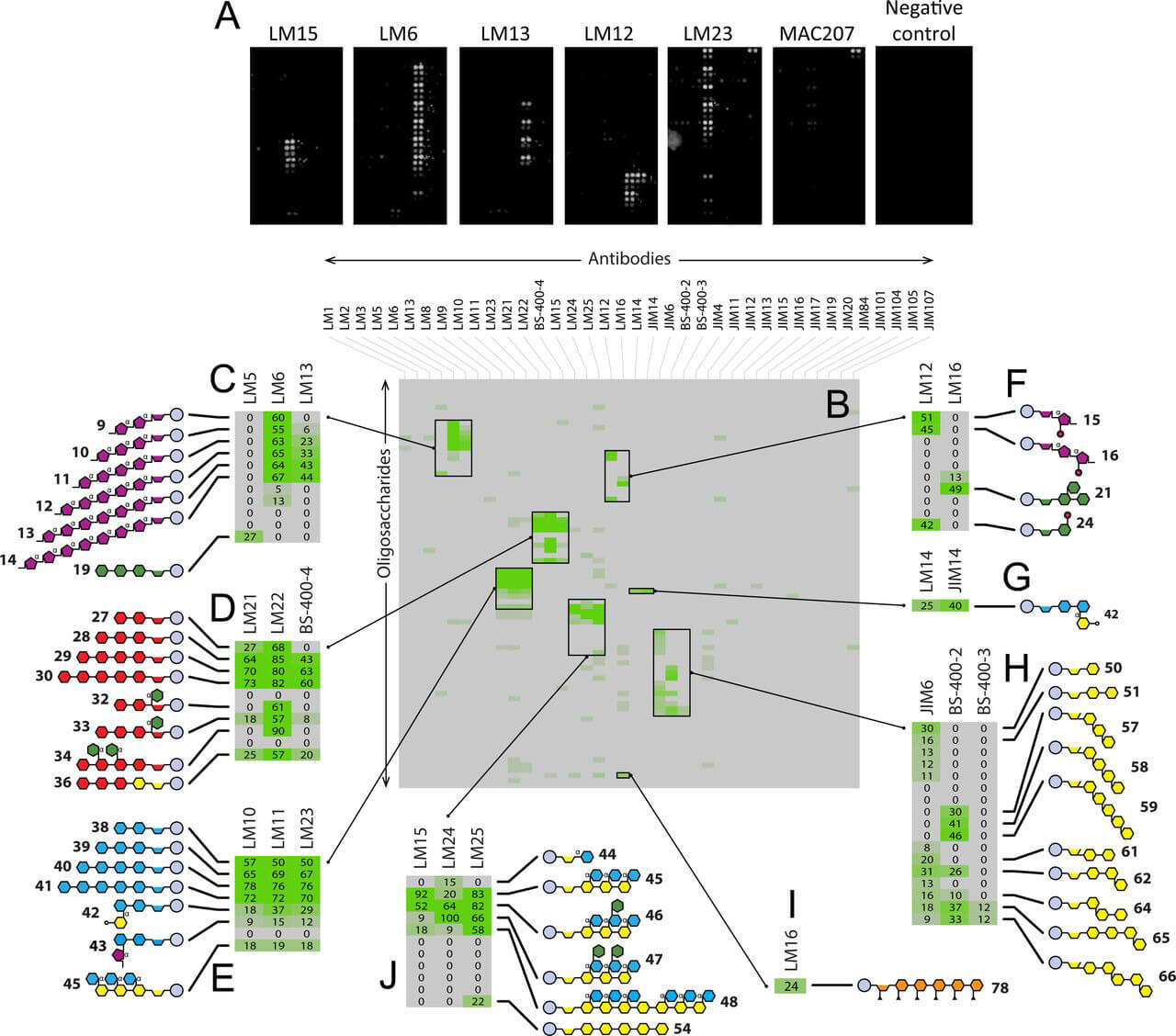 Fig.3 Specificity screening of mAbs using oligosaccharide microarrays.3,4
Researchers screened 38 mAbs (including characterized and novel specificities) using oligosaccharide microarrays. By incubating antibodies with microarray-immobilized oligosaccharides and detecting binding signals, they determined mAbs' binding affinities for specific oligosaccharide structures. Results showed microarrays accurately reflect mAbs' specific binding patterns and determine antibody-recognized epitope sizes, highlighting their utility for identifying and analyzing plant cell carbohydrate components.
References:
- Flannery, Andrea, et al. "Assessing bacterial interactions using carbohydrate-based microarrays." Microarrays 4.4 (2015): 690-713. https://doi.org/10.3390/microarrays4040690
- McQuillan, Alyssa M., et al. "Natural and synthetic sialylated glycan microarrays and their applications." Frontiers in Molecular Biosciences 6 (2019): 88. https://doi.org/10.3389/fmolb.2019.00088
- Pedersen, Henriette L., et al. "Versatile high resolution oligosaccharide microarrays for plant glycobiology and cell wall research." Journal of Biological Chemistry 287.47 (2012): 39429-39438. https://doi.org/10.1074/jbc.M112.396598
- Distributed under Open Access license CC BY 4.0, without modification.