


Anti-MUC4 Glycopeptide Antibody Development Service
MUC4 (Mucin 4) is a high-molecular-weight transmembrane glycoprotein that has emerged as a critical component in understanding the pathophysiology of epithelial cancers. Structurally, MUC4 differs significantly from gel-forming mucins. It acts as a membrane-bound ligand for the receptor tyrosine kinase ErbB2 (HER2/neu), initiating complex downstream signaling cascades that drive cell proliferation, inhibit apoptosis, and promote metastasis. This unique biological role makes MUC4 a subject of intense scrutiny in oncology research. Aberrant overexpression of MUC4 is a hallmark of pancreatic ductal adenocarcinoma (PDAC), a malignancy where it is virtually undetectable in the normal pancreas but highly upregulated in early pancreatic intraepithelial neoplasias (PanINs) and invasive tumors. This stark contrast in expression profiles highlights the potential of MUC4 as a diagnostic and prognostic biomarker.
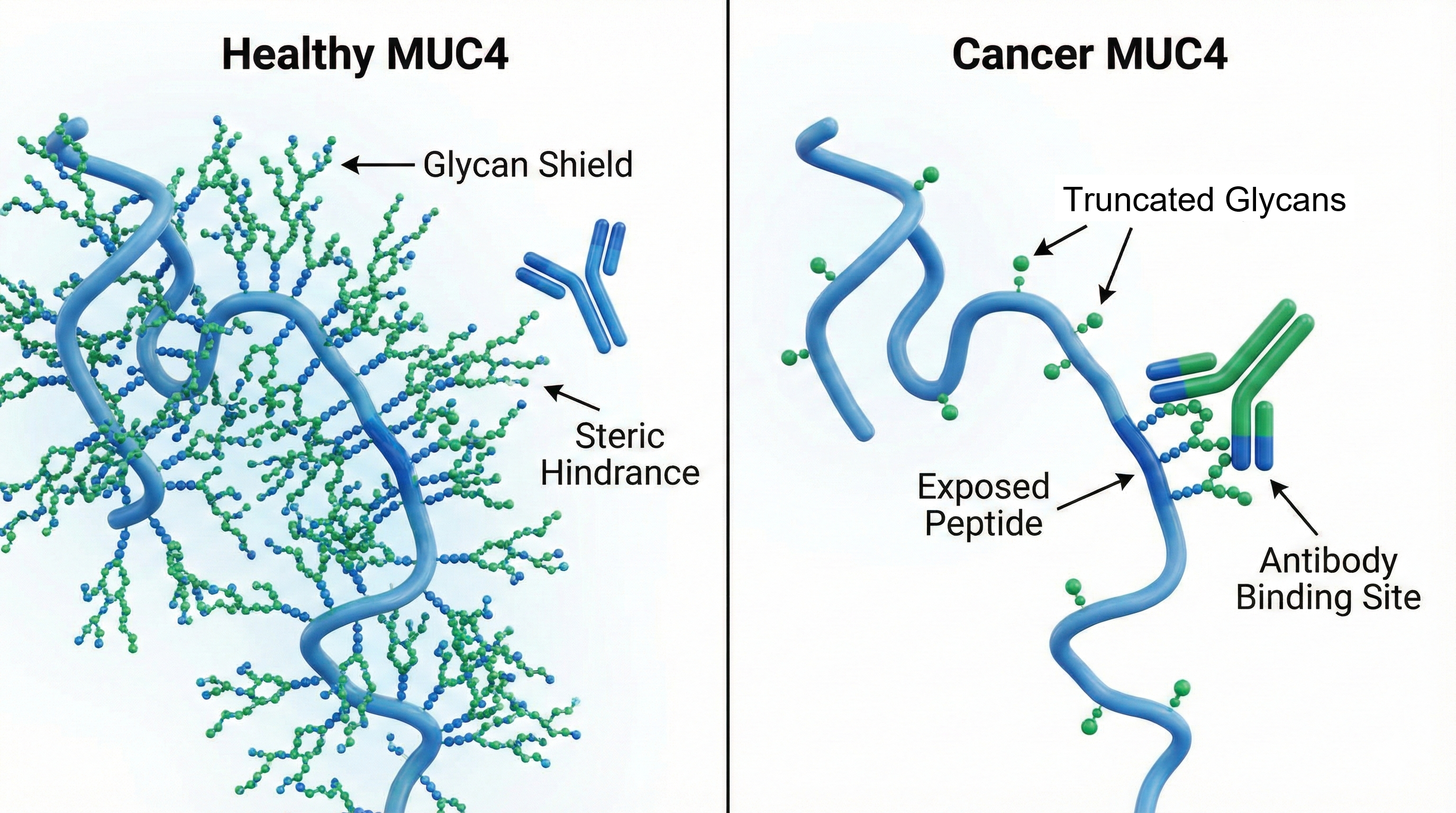 Fig.1 Structure of MUC4 and its glycan modifications.
However, targeting MUC4 effectively requires navigating its complex structure. The extracellular domain of MUC4 contains a massive tandem repeat (TR) region rich in serine and threonine residues, which serve as potential attachment sites for dense O-linked glycosylation. In healthy tissues, this glycosylation is often elaborate. In contrast, cancer cells frequently display an altered glycosylation machinery, leading to the presentation of truncated, tumor-associated carbohydrate antigens (TACAs) such as Tn, sTn, and T antigens directly on the mucin backbone. These changes create unique molecular signatures known as tumor specific glyco-epitope antibody targets. Conventional antibodies raised against peptide sequences often fail to bind the native mucin due to steric hindrance by glycans, while antibodies against glycans alone often lack specificity.
Creative Biolabs addresses this challenge with a dedicated platform for anti-MUC4 glycopeptide antibody development, which is a key component of our Anti-Glycopeptide Antibody Development Service. By synthesizing immunogens that combine specific MUC4 peptide sequences with precise tumor-associated glycan modifications, we generate reagents that can discriminate between the tumor-associated form of MUC4 and other mucins or healthy tissue variants. This capability is essential for advancing research into pancreatic cancer MUC4 antibody applications, exploring the role of sialylated MUC4 antibody targets in metastasis, and validating novel therapeutic strategies. Our service is strictly for research use, empowering scientists to dissect the intricate glycobiology of cancer without the confounding factors of non-specific binding.
Biological Significance and Clinical Relevance
The MUC4 complex is composed of two non-covalently linked subunits: the large extracellular mucin-type subunit (MUC4α) and the transmembrane growth factor-like subunit (MUC4β). The interaction between MUC4β and ErbB2 is a key driver of oncogenic signaling, stabilizing ErbB2 and enhancing its phosphorylation. This mechanism is particularly relevant in trastuzumab-resistant breast cancer and aggressive forms of ovarian cancer. Consequently, the development of an anti-MUC4 monoclonal antibody that can specifically recognize the glycosylated extracellular domain provides a tool to study how glycan density affects receptor accessibility and signaling efficiency.
The clinical relevance of MUC4 extends beyond its signaling role. As a highly glycosylated molecule, MUC4 contributes to the physical barrier of the glycocalyx, potentially shielding tumor cells from immune surveillance and chemotherapeutic agents. Research utilizing specific MUC4 glycopeptide antibody reagents has shown that MUC4 overexpression is correlated with poor prognosis in biliary tract cancers, lung cancer, and ovarian cancer. In pancreatic cancer, MUC4 expression antibody levels rise progressively from low-grade dysplasia to invasive carcinoma, suggesting its utility in early detection panels.
Furthermore, the aberrant glycosylation patterns on MUC4, such as the presence of the sialyl-Tn (sTn) antigen, are not merely bystanders but active participants in disease progression. sTn expression on MUC4 has been linked to increased cell motility and invasive potential. Therefore, tools such as anti-MUC16 monoclonal antibody and MUC4-specific reagents are complementary; discerning the specific contribution of MUC4 requires antibodies that do not cross-react with other highly abundant mucins like MUC1 or MUC16. Our development process prioritizes this specificity, ensuring that researchers can confidently attribute their findings to MUC4 biology.
Detailed Workflow for Anti-MUC4 Antibody Development
The generation of antibodies against heavily glycosylated proteins like MUC4 is a multi-step process that demands precision at every stage. We employ a proven workflow designed to overcome the inherent low immunogenicity of self-antigens and the structural complexity of glycopeptides.
Request a Quote for MUC4 Antibody Services
Comprehensive Service Offerings
We provide a full spectrum of custom glycopeptide antibody development services, tailored to the specific needs of your research project. Whether you are conducting basic research or early-stage biomarker discovery, we have the right platform for you.
Monoclonal Antibody Production
Our hybridoma platform is optimized for generating high-affinity anti-MUC4 monoclonal antibody clones. By fusing splenocytes from immunized animals with myeloma cells, we create stable cell lines that produce unlimited quantities of antibody. We carefully select clones that demonstrate high specificity for the MUC4 glycopeptide, making them ideal for diagnostic assay development and long-term studies where batch-to-batch consistency is paramount.
Phage Display Library Screening
For challenging targets or when animal immunization is not suitable, our phage display technology offers a powerful alternative. We possess vast human and synthetic antibody libraries that can be screened against MUC4 glycopeptides. This method allows for the precise selection of binders with specific affinity profiles and facilitates the isolation of recombinant antibodies against specific sialylated MUC4 antibody targets or other complex glyco-epitopes that might be toxic or non-immunogenic in animals.
Polyclonal Antibody Generation
We offer cost-effective production of polyclonal antibodies in rabbits or other species. Polyclonal antibodies recognize multiple epitopes on the target antigen, often resulting in higher sensitivity for detection. These reagents are particularly suitable for initial screening applications, such as detecting overall MUC4 expression antibody levels in tissue homogenates or basic Western Blot analysis where signal amplification is desired.
Antibody Engineering & Conjugation
Beyond generation, we offer comprehensive engineering services. We can engineer your anti-MUC4 antibodies for improved stability, reduced immunogenicity (humanization), or altered affinity. Furthermore, we provide custom conjugation services, labeling your antibodies with fluorophores (e.g., FITC, PE), enzymes (HRP, AP), or biotin for downstream applications like flow cytometry, ELISA, or immunohistochemistry. We can also develop antibody-drug conjugates (ADCs) for research into targeted delivery mechanisms.
Key Advantages of Our Platform
High Specificity
Rigorous counter-screening ensures antibodies bind the specific glycopeptide, not the naked peptide or glycan alone.
Robust Validation
Validated using ELISA, WB, and IHC on MUC4-positive cell lines.
Diverse Formats
Available as IgG, IgM, Fab, scFv, or V H H to suit various assay requirements.
Rapid Turnaround
Optimized workflows and dedicated project management ensure timely delivery of your reagents.
How to Start Your Project
Starting a project with Creative Biolabs is a collaborative process designed to ensure your scientific goals are met with precision. Simply provide us with your target requirements, preferred host species, and intended applications. If you have a specific MUC4 sequence or glycan modification in mind, our experts will assess the feasibility and design a custom proposal including antigen synthesis strategy and screening protocols. Whether you need a colon cancer MUC2 antibody comparison control or a highly specific MUC4 glycopeptide antibody for a new study, we have the expertise to deliver. We encourage early engagement to optimize the project design, ensuring that the final antibodies are fit for purpose, whether that be for western blotting, flow cytometry, or immunohistochemistry.
Contact Us to Discuss Your MUC4 Project
Published Data
The development of highly specific anti-MUC4 antibodies has been pivotal in advancing our understanding of pancreatic cancer biology. In a seminal study, researchers successfully generated and characterized a monoclonal antibody, 8G7, which targets the human MUC4 protein. This study highlights the importance of antibody specificity in distinguishing MUC4 from other mucins. The researchers utilized a specific peptide sequence from MUC4 to immunize mice and employed a rigorous screening process to isolate the 8G7 clone.
As demonstrated in the figure below, the surface specificity of the anti-MUC4 antibody was validated using flow cytometry analysis. In this assay, cells were harvested non-enzymatically to preserve surface epitopes, fixed with paraformaldehyde, and incubated with the indicated antibodies. Following incubation with a secondary antibody, the cells were analyzed to measure binding efficiency. The results confirm that the antibody specifically recognizes native MUC4 on the cell surface of positive cell lines, providing distinct Mean Fluorescence Intensity (MFI) values that differentiate them from negative controls. This data underscores the utility of such antibodies as robust reagents for flow cytometry-based research and potential diagnostic development.
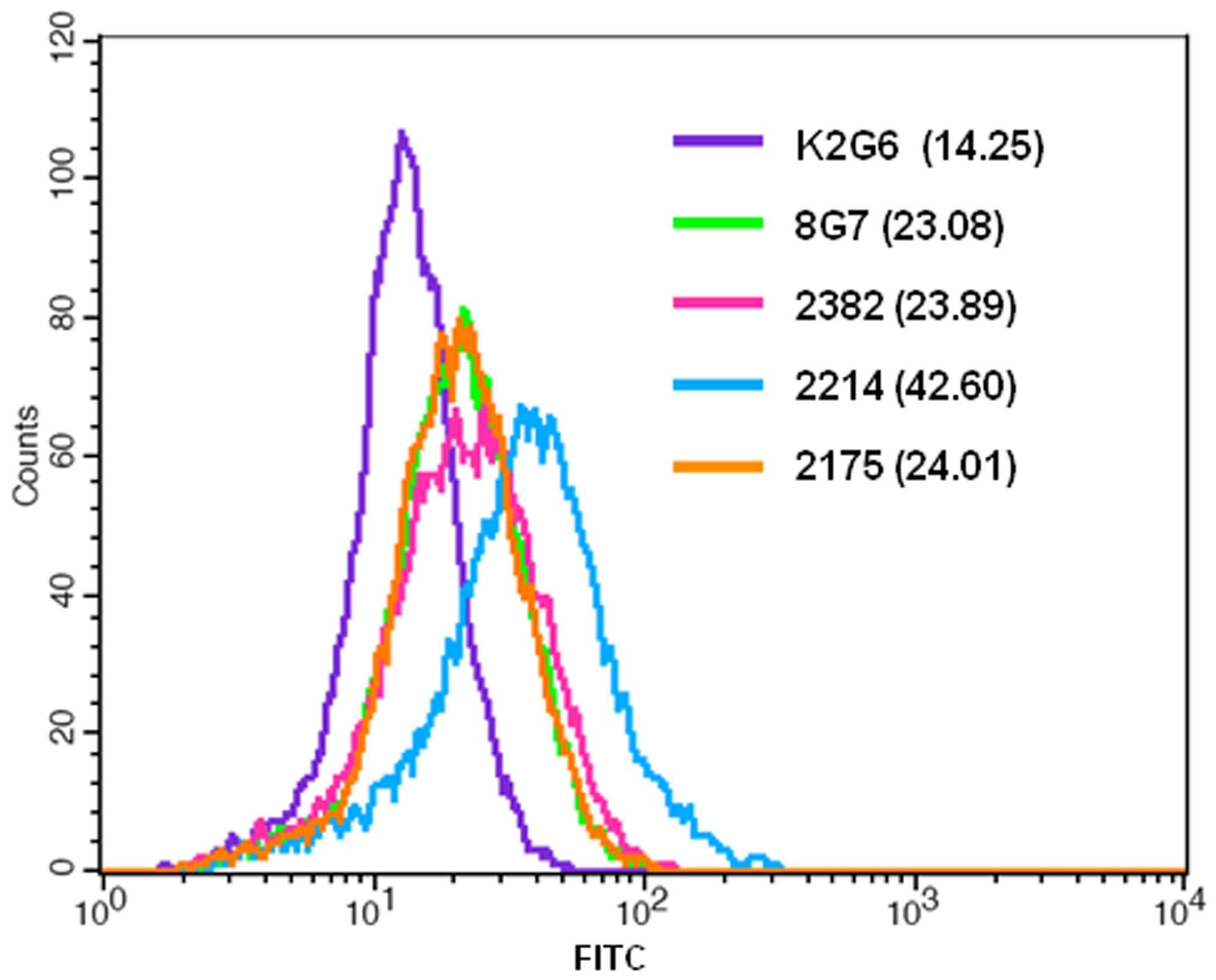 Fig.2 Cell-surface binding analysis of anti-MUC4 antibodies.1
FAQs
How do you ensure the antibody is specific to MUC4 and not other mucins like MUC1?
We utilize a rigorous counter-screening strategy during the selection phase. Candidate clones are tested against a panel of related mucin peptides and glycopeptides, including those derived from MUC1, MUC2, MUC5AC, and MUC16. We specifically look for clones that show strong binding to the MUC4 immunogen but have negligible cross-reactivity with these other mucin family members. This ensures that the final product is a true anti-MUC4 antibody and not a broad anti-mucin reagent, allowing for precise data interpretation in complex biological samples.
Can you develop antibodies against specific glycosylation patterns on MUC4?
Yes, this is a core competency of our service. We can design synthetic immunogens where specific glycan structures, such as Tn, sTn, or T antigens, are chemically conjugated to the MUC4 peptide backbone at precise sites. This allows for the generation of antibodies that recognize tumor specific glyco-epitope antibody targets. These unique epitopes are often formed by the incomplete glycosylation machinery in cancer cells and are excellent targets for distinguishing tumor cells from normal epithelial cells.
What applications are your anti-MUC4 antibodies suitable for?
Our antibodies are versatile and typically validated for standard applications such as ELISA, Western Blot, and Flow Cytometry. Depending on your specific research needs, we can also include screening criteria optimized for Immunohistochemistry (IHC) on formalin-fixed paraffin-embedded (FFPE) tissues. This is crucial for clinical research samples where antigen retrieval and specific staining are required. We recommend discussing your intended applications with us at the project start so we can tailor the screening strategy accordingly.
Do you offer antibodies for other mucins?
Yes, Creative Biolabs offers a comprehensive suite of anti-mucin antibody development services. In addition to MUC4, we have extensive experience developing reagents against MUC1 (including MUC1 VNTR antibody), MUC2, MUC5AC, and MUC16 (CA-125). We can also target other tumor-associated glycoproteins like PODXL (podocalyxin antibody) and CD43. Our platform is flexible and can be adapted to almost any mucin or glycopeptide target of interest.
How does MUC4 expression differ between normal and cancer cells?
MUC4 expression is highly context-dependent. In the normal adult pancreas, MUC4 is typically not expressed or is present at very low levels. However, in pancreatic ductal adenocarcinoma (PDAC), MUC4 is significantly overexpressed. This "neo-expression" in cancer cells, combined with aberrant glycosylation patterns (such as the exposure of simple mucin-type carbohydrates), makes MUC4 an excellent candidate for targeted research. Our anti-MUC4 monoclonal antibody services aim to exploit these differences to provide highly specific research tools.
Reference:
- Moniaux N, et al. "Monoclonal Antibodies Recognizing the Non-Tandem Repeat Regions of the Human Mucin MUC4 in Pancreatic Cancer." PLoS ONE 6(8) (2011): e23344. Distributed under Open Access license CC BY 4.0. https://doi.org/10.1371/journal.pone.0023344
Supports
- Anti-MUC1 Glycopeptide Antibody Development
- Anti-MUC4 Glycopeptide Antibody Development
- Anti-MUC16 (CA-125) Glycopeptide Antibody Development
- Anti-MUC5AC Glycopeptide Antibody Development
- Anti-MUC2 Glycopeptide Antibody Development
- Anti-Podocalyxin (PODXL) Glycopeptide Antibody Development
- Anti-CD43 Glycopeptide Antibody Development
- Custom Glycopeptide Target Antibody Development