


Lectin Microarray
Lectin microarrays are invaluable tools for investigating glycosylation patterns. They are crucial for glycoprotein analysis, cancer biology, immunology, and drug development. Stands at the forefront of glycoscience research, Creative Biolabs owns the state-of-the-art glycoarray platform and provides specialized lectin microarray services for screening glycan-binding proteins. Coupled with exceptional sensitivity, our platform enables the detection of even low-abundance glycan-binding proteins.Our solutions are engineered to deliver high-throughput screening capabilities, ensuring rapid processing of multiple samples with high data quality. We allow for full customization of array composition, assay conditions, and data analysis parameters to meet the unique demands of any research project.
What is a Lectin Microarray?
A lectin microarray is a versatile tool used to study the interactions between lectins and glycans. It is a high-throughput platform that enables simultaneous detection of glycan-lectin interactions on a solid surface. Lectin microarrays are widely used in the study of cancer, where it can detect changes in the glycosylation patterns of glycoproteins. Lectin microarrays for glycoprotein analysis can reveal differences in O-GlcNAcylation and N-/O-glycosylation levels across different cancer types, which are important for disease progression and diagnosis. Lectin arrays also allow for the rapid screening of glycosylation modifications. With high sensitivity and ability to simultaneously analyze multiple glycans, it can detect even low-abundance glycans and offer significant potential in identifying early cancer biomarkers.
How Does Lectin Microarray Work?
Lectin microarrays use special proteins (lectins) attached to a surface like a glass slide. Each lectin binds to specific sugar molecules (glycans) found in your sample. To see where the binding happens:
- The Array Surface: A slide or plate has many different lectins attached in tiny, organized spots.
- The Lectins: These are the proteins that selectively grab onto particular sugar structures in your sample.
- Detection: Fluorescent tags or similar methods show which lectin spots have bound to sugars in the sample. The amount of light measured indicates how much sugar is bound.
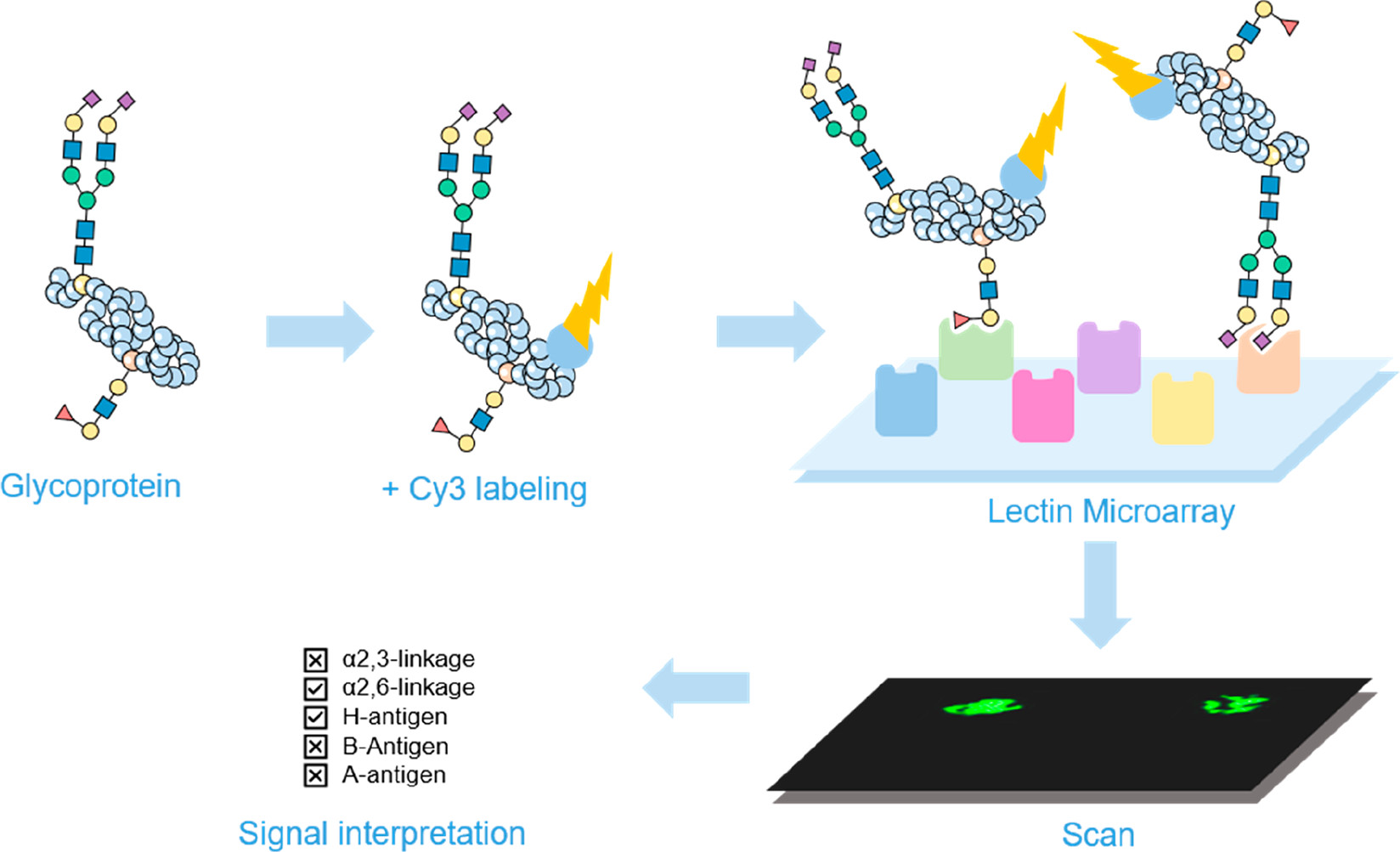 Fig.1 Glycan analysis via lectin microarray.1
Advanced Technologies in Lectin Microarray
Recent advancements in lectin microarrays have led to more sensitive, high-throughput, and cost-effective platforms. The use of multiplexed arrays and improved detection technologies, such as fluorescently labeled lectins and biosensors, has enabled the profiling of even low-abundance glycans with higher accuracy. Additionally, the integration of cytokine arrays with lectin microarrays has allowed for a more holistic approach to studying glycan-immune system interactions. While lectin microarrays for glycoprotein analysis primarily focus on glycan-protein interactions, glycan microarrays provide more detailed insights into individual glycan structures. Both technologies complement each other and are often used in tandem for comprehensive glycomic profiling.
Glycan Microarray for Precision Glycan Analysis
Lectin Microarray Workflow
The lectin microarray workflow involves several steps to ensure reliable results:
- Array Preparation: Various lectins are immobilized on a solid support, typically a glass slide or a microplate. These lectins are chosen based on their specific affinity for different glycan structures.
- Sample Incubation: The sample containing glycoproteins or glycans is applied to the array. The sample may be labeled with a fluorescent marker to enhance detection.
- Washing and Detection: After incubation, the array is washed to remove non-specific binding. Detection is typically achieved using fluorescence or chemiluminescence to measure the interactions between the lectins and the glycans.
- Data Analysis: The data is analyzed to identify and quantify glycan-lectin interactions, offering insights into the glycosylation patterns of the sample.
Applications of Lectin Microarrays
Glycoprotein Glycosylation Analysis
Lectin microarrays detect glycosylation patterns on glycoproteins. They measure how these sugar modifications change in diseases like cancer, autoimmune disorders, or metabolic conditions, providing semi-quantitative data for research. For instance, researchers use lectin microarray and found that abnormal sperm-surface glycans are linked to male subfertility caused by DEFB126 gene mutations.
Rapid Glycan Screening
The high-throughput nature of lectin microarrays enables fast screening of hundreds of glycan structures across multiple samples. This accelerates biomarker discovery in large-scale glycomic studies.
Disease-Specific Glycan Features
By comparing healthy and diseased tissues (e.g., brain regions in Alzheimer's patients or serum in cancer), lectin microarrays reveal glycan expression differences. These insights aid early disease detection and therapy development.
Integration with Antibody Microarrays
Combining lectin microarrays (detecting glycans) with antibody microarrays (detecting proteins) provides a complete view of glycoprotein interactions. This dual approach clarifies how glycosylation affects immune responses, autoimmune diseases, and therapeutic antibodies.
Why Choose Our Lectin Microarray Platform?
At Creative Biolabs, we pride ourselves on providing an advanced, easy-to-use lectin microarray platform that helps researchers accelerate their studies with precision and high sensitivity. Our platform is the preferred choice to analyze glycan for the following reasons:
- Direct analysis of native glycoproteins without the need for glycan release
- High-throughput and nanogram-sensitive platform that tests dozens of interactions using minimal samples
- Works well with serum, cell lysates, bacteria, exosomes, and clinical tissues
- Standardized protocols generate comprehensive glycan binding profiles within a single experiment
Related Services
At Creative Biolabs, we offer a comprehensive range of services to complement lectin microarray analysis. These services can help expand your glycan-related research and support various applications in glycomics, immunology, and drug development.
| Service | Research Purpose |
|---|---|
| Glycan Microarray | Profiling binding specificity of glycan-binding proteins |
| Glycoprotein Microarray | Screening interactions of glycoproteins with ligands |
| Glycopeptide Microarray | Investigating site-specific glycan functions |
| Glycolipid Microarray | Characterizing glycolipid-protein interactions |
| Antibody Microarray | Profiling antibody interactions with various antigens, useful for immune response studies |
Lectin microarrays remain at the forefront of glycan research, helping scientists uncover the intricate relationships between glycans and cellular processes. By leveraging these advanced technologies, Creative Biolabs continues to offer state-of-the-art lectin microarray services to support the next generation of glycoscience research. Whether you are studying lectin microarray glycan interactions or developing novel glycan-based therapies, our platform provides the accuracy, sensitivity, and versatility needed for cutting-edge discoveries. Get started with our high-throughput lectin microarray today, and contact our team to discuss your project needs.
Published Data
This study developed a custom lectin microarray chip (LecChip-IgG-mAb) with nine lectins to rapidly profile glycosylation—critically linked to therapeutic antibody efficacy—in intact IgG samples without glycan release. The chip reliably distinguished non-glycosylated proteins (no signal) from 14 diverse glycosylated samples (including trastuzumab and NISTmAb), detecting specific sugar structures like core fucose (via rPhoSL binding) and terminal GlcNAc (rOTH3). Enzymatic galactosylation confirmed β-galactose detection (enhanced RCA120 binding), validating the chip's specificity. The lectin microarray technology offers a high-throughput platform for analyzing intact glycoprotein samples without the need for glycan release, reducing variability associated with traditional methods. This makes it highly significant for monitoring glycan variations during tasks like clone selection and bioprocess parameter design in therapeutic antibody development, enhancing product quality consistency.
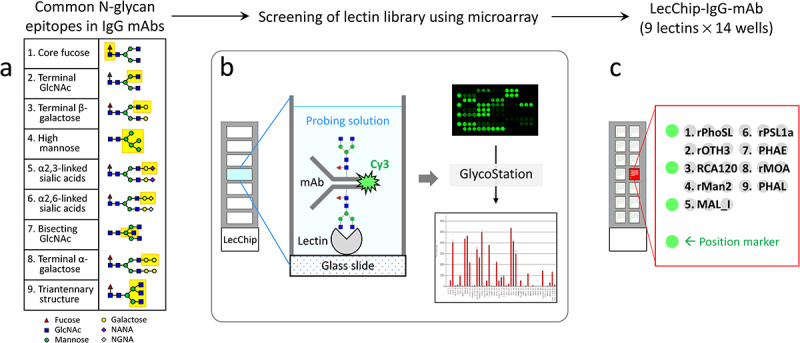 Fig.2 Workflow for developing lectin microarray chips.2
References:
- Trbojević-Akmačić, Irena, et al. "High-throughput glycomic methods." Chemical reviews 122.20 (2022): 15865-15913. Distributed under Open Access license CC BY 4.0, without modification. https://doi.org/10.1021/acs.chemrev.1c01031
- Luo, Shen, and Baolin Zhang. "A tailored lectin microarray for rapid glycan profiling of therapeutic monoclonal antibodies." Mabs. Vol. 16. No. 1. Taylor & Francis, 2024. Distributed under Open Access license Public Domain Mark 1.0 Universal, without modification. https://doi.org/10.1080/19420862.2024.2304268