


Viral Receptor Specificity Microarray
Introduction
Viruses are in a state of continuous flux and evolution, rapidly adapting to the environments and hosts they find themselves in. The specificity of a virus for a human cell is often decided by the protein-to-receptor interactions on a host cell surface. Host-virus interactions involving glycans are of particular interest to characterize to get a better understanding of viral entry, immune evasion, and disease progression. Glycan microarrays can be used to narrow down which host receptors a virus is binding to. This information is crucial for the development of next-generation vaccines. The glycan microarray can be used to determine the specific glycan structure, or epitope, which a viral protein recognizes. Vaccines can then be developed that elicit a robust immune response that targets the interaction between the viral protein and glycan epitope. This vaccine design has already been successful in a number of diseases such as influenza, HIV, and, more recently, COVID-19. Creative Biolabs provides glycoarray platforms to help facilitate your research. The viral receptor specificity microarray service is aimed at helping you generate data that will speed up your research in viral receptor binding, viral pathogenesis, and vaccine development.
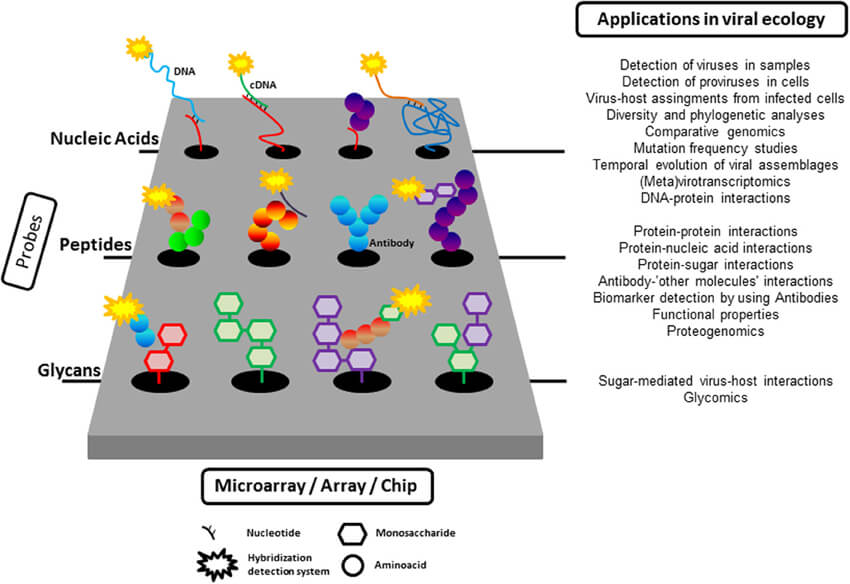 Fig.1 Microarray tools for studying viral ecology.1
Simple and Efficient Viral Receptor Specificity Microarray Service Workflow
Creative Biolabs provides access to the most comprehensive panel of glycan-based receptor libraries, allowing your team to study viral specificity with a wide variety of cell types and host organisms. From analyzing the next pandemic pathogen to finding a vaccine for an existing viral infection, our microarray service gives you the answers you need to take the next step in your research with confidence. Our glycan microarray service is based on an optimized workflow including the following steps:
- Custom Panel Design
Consult with our experts to help you choose receptor molecules relevant to your research. We have a broad selection of glycan-based receptors as well as other molecules (human, animal and viral glycoproteins).
- Receptor Immobilization
We immobilize the selected receptors on to solid surfaces to be available for binding of viral proteins, maintaining receptor stability during the assay.
- Viral Incubation
Viral proteins or surface glycoproteins are incubated with the array to identify their binding preferences. We provide several options for this step, from full viral particles to recombinant proteins based on your experimental design.
- Detection & Data Analysis
After incubation, we employ fluorescent detection and mass spectrometry to identify and quantify the bound receptors, followed by processing the data and presenting it in an easy-to-interpret report, complete with a straightforward analysis of viral receptor specificity.
- Expert Consultation
Our team of experts is available for consultation and support at every stage of the process to help you achieve your research goals efficiently.
Discuss Your Project
Why Choose Our Viral Receptor Specificity Microarray Service?
- Creative Biolabs' viral receptor specificity microarray service is a high-throughput solution that allows screening of viral proteins against hundreds of different receptor molecules in a single experiment. This makes it an incredibly time and cost-effective alternative to traditional screening methods like ELISA or flow cytometry.
- We understand that every research project is different, which is why we offer highly customizable microarrays tailored to our clients' needs. Whether you are interested in studying a specific virus or receptor type, we can design a receptor library that is customized to your exact requirements. This will help you focus on the molecules that are most relevant to your research and save you time and resources in the long run.
- This service is suitable for academic groups but also designed with pharmaceutical companies and vaccine developers in mind. Identifying viral receptors and understanding how they interact with viral proteins can help develop more effective antiviral drugs that target these specific receptors to block viral entry into host cells. Additionally, vaccine design can also benefit from this information, as vaccines can be created to target these same receptors and prevent infection.
Applications of the Viral Receptor Specificity Microarray Service
- Viral Tropism Studies: Identify the receptors your virus attaches to, and you'll be able to determine which cells and tissues are most vulnerable to infection, aiding in the study of viral tropism.
- Immune Evasion Mechanisms: Study the receptor-binding changes that help viruses escape the immune system and gain insights into immune evasion strategies. Our service can help identify such changes, paving the way for the development of strategies to counteract them.
- Vaccine and Therapeutic Design: A solid understanding of the receptors that a virus interacts with can facilitate the design of vaccines and antiviral therapies. Vaccines can be made more effective by blocking viral entry or modifying receptor interactions, while antiviral drugs can be designed to inhibit these interactions.
- Cross-Species Transmission and Viral Evolution: The emergence of viruses capable of cross-species transmission is a significant public health concern. The cross-referencing ability of this service allows you to study the evolution of viral proteins to bind to receptors in different species, aiding in understanding zoonotic transmission and viral mutations.
Creative Biolabs offers viral receptor specificity microarray service, a high-throughput and customizable platform designed to help researchers better understand how viruses interact with host receptors. Our service is ideal for anyone looking to expand their knowledge of viral tropism, immune evasion, or for those involved in antiviral drug discovery, vaccine development, or therapeutic research. Reach out to Creative Biolabs today to learn how our viral receptor specificity microarray service can help you achieve your goals sooner.
FAQs
Q: What exactly does the Viral Receptor Specificity Microarray analyze?
A: Our microarray analyzes how viral surface proteins interact with a wide panel of host cell receptors, primarily glycans. This allows researchers to identify specific glycan motifs or epitopes that viruses recognize during cell entry, aiding studies on viral tropism, evolution, and vaccine development.
Q: How many receptor types can be screened in a single run?
A: Our standard array can accommodate hundreds of receptor types, including diverse glycan structures and glycoproteins from human, animal, and viral origins. For specialized projects, we can expand or tailor the panel to meet specific receptor or species requirements.
Q: Can we provide our own viral proteins or glycoproteins?
A: Absolutely. We accept client-supplied viral proteins, glycoproteins, or even whole virus particles (under appropriate biosafety conditions). We'll guide you through submission protocols and can help with quality assessment before microarray incubation.
Q: Can I request data normalization or advanced statistical analysis?
A: Yes, we provide normalized binding data along with heatmaps or cluster plots upon request. For in-depth analysis, we offer optional bioinformatics support to help interpret complex binding profiles or compare multiple datasets.
Reference:
- Santos, Fernando, et al. "Microarray tools to unveil viral-microbe interactions in nature." Frontiers in Ecology and Evolution 2 (2014): 31. Distributed under Open Access license CC BY 4.0, without modification. https://doi.org/10.3389/fevo.2014.00031
Related Services
Glycosyltransferase & Glycosidase Substrate Microarray
Microbial Glycan Antigen Microarray