Harnessing the therapeutic potential of natural compounds requires overcoming significant barriers in solubility and stability. Our advanced lipid encapsulation strategies transform these challenges into clinical opportunities, ensuring precise delivery where it matters most. Creative Biolabs possesses deep expertise in engineering high-stability liposomal systems tailored for the effective delivery of hydrophobic agents like propolis.
Malignant melanoma presents a formidable challenge in oncology due to its aggressive metastasis and resistance to conventional therapies, creating an urgent need for novel therapeutic interventions in melanoma research. Lipid-based drug delivery systems offer a promising solution by enhancing the bioavailability of potent natural antitumor agents that otherwise suffer from poor solubility. By leveraging the enhanced permeability and retention (EPR) effect and pH-responsive mechanisms, these systems can significantly improve treatment outcomes. Creative Biolabs stands ready to assist researchers in navigating this complex landscape, offering cutting-edge formulation and validation services to accelerate the development of next-generation melanoma therapies.
Therapeutic Potential of Propolis
Propolis is a resinous mixture produced by honeybees with a complex chemical composition rich in flavonoids and phenolic acids. While historically used in folk medicine, modern research has identified its specific capability to induce apoptosis in cancer cells and modulate the tumor microenvironment. However, its hydrophobic nature limits systemic administration without a carrier.
The Liposomal Advantage
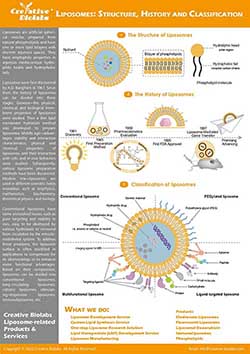
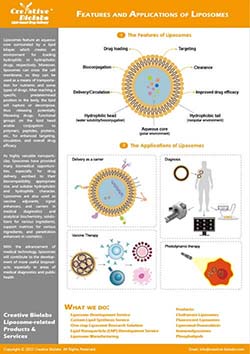
Liposomes are spherical vesicles composed of phospholipid bilayers that can encapsulate both hydrophilic and hydrophobic drugs. In the context of melanoma, they offer:
Effective development of propolis-loaded nanocarriers requires rigorous validation. The following analysis of recent experimental data highlights critical parameters for success, offering a roadmap for researchers aiming to optimize similar formulations.
To overcome the poor solubility of propolis, the study employed thin-film hydration to engineer liposomes with a precise mean diameter of ~131 nm. This specific size is critical for exploiting the EPR effect for passive tumor targeting. Furthermore, the achieved Zeta potential of -32 mV ensures robust electrostatic repulsion, preventing aggregation and guaranteeing the long-term colloidal stability necessary for a viable pharmaceutical product.
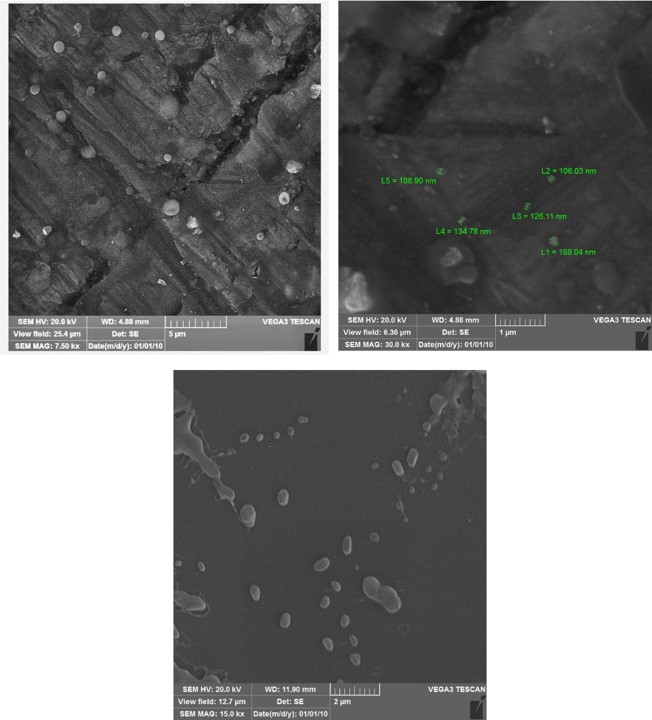 Fig. 1 SEM images of (A, B) nanopropolis-liposome, and (C) empty liposomes. 1
To balance systemic safety with local efficacy, the carrier was engineered for pH-responsive release. In vitro assays confirmed that the liposomes remain stable at physiological pH (7.4), thereby reducing systemic toxicity. Conversely, the acidic tumor microenvironment (pH 5.4) triggers a rapid release (>75% within 48h), ensuring the therapeutic payload is delivered precisely where it is needed to maximize anti-tumor activity.
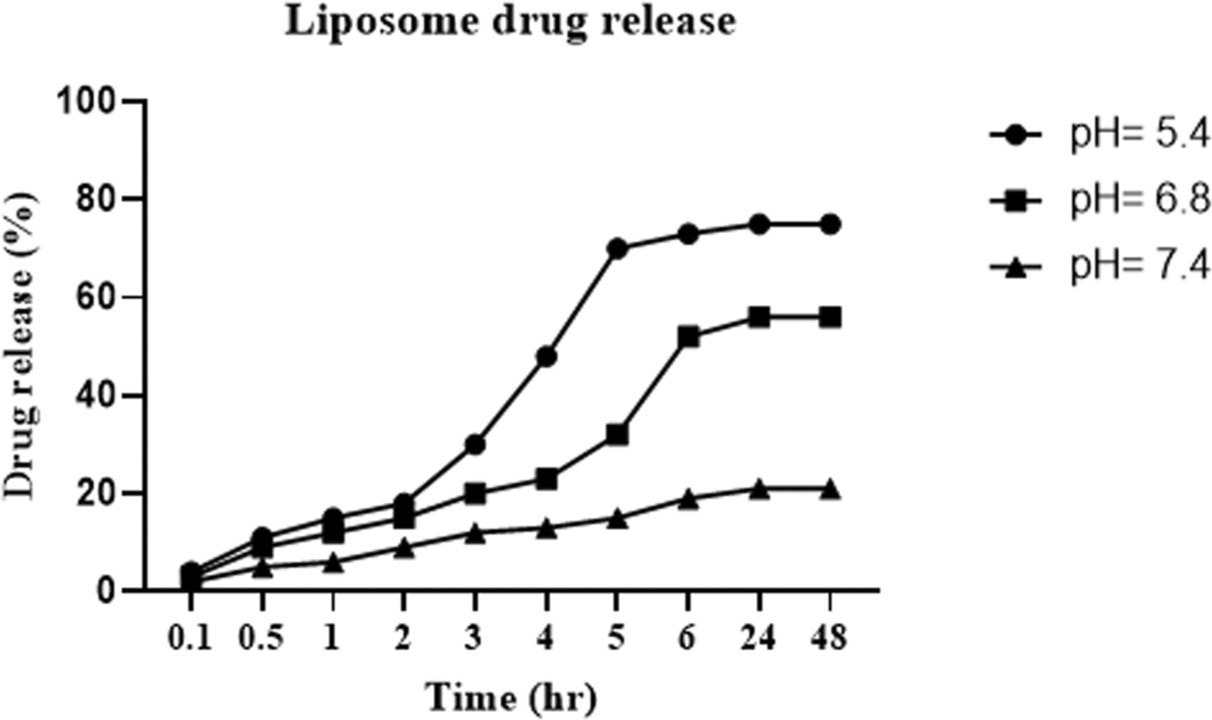 Fig. 2 Release of nanopropolis from the prepared liposomes in time intervals (0.5-48 h) at 3 pH: 5.4, 6.8, and 7.4. 1
Validating the biological mechanism, flow cytometry and qPCR revealed a dual-action pathway: the significant upregulation of pro-apoptotic genes (BAX, Caspase-3) and suppression of the survival gene (Bcl-2). Most significantly, cytotoxicity assays demonstrated a high selectivity index, inducing apoptosis in malignant A375 cells while sparing healthy HDF fibroblasts, highlighting the formulation's potential for reducing chemotherapy-associated side effects.
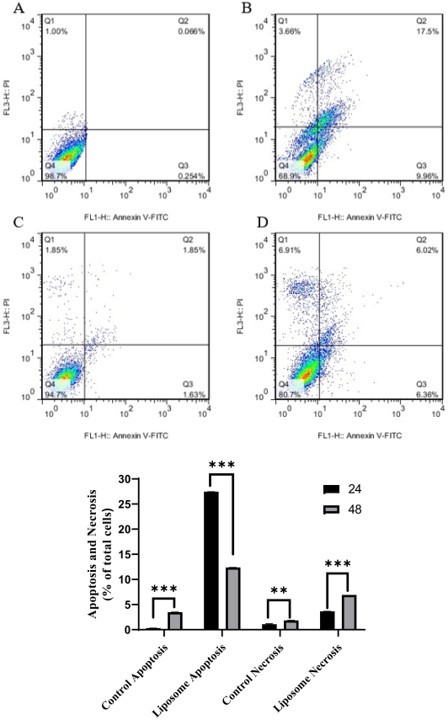 Fig. 3 Proapoptotic effects of nanopropolis-liposome in the A375. 1
Addressing the challenge of metastasis, Atomic Force Microscopy (AFM) was utilized to probe cellular mechanics. The treatment successfully increased the Young's modulus (stiffness) and adhesion force of cancer cells, physically restricting their motility. This mechanobiological alteration, confirmed by scratch assays, suggests the formulation actively inhibits cancer cell migration, offering a novel strategy to prevent tumor spread.
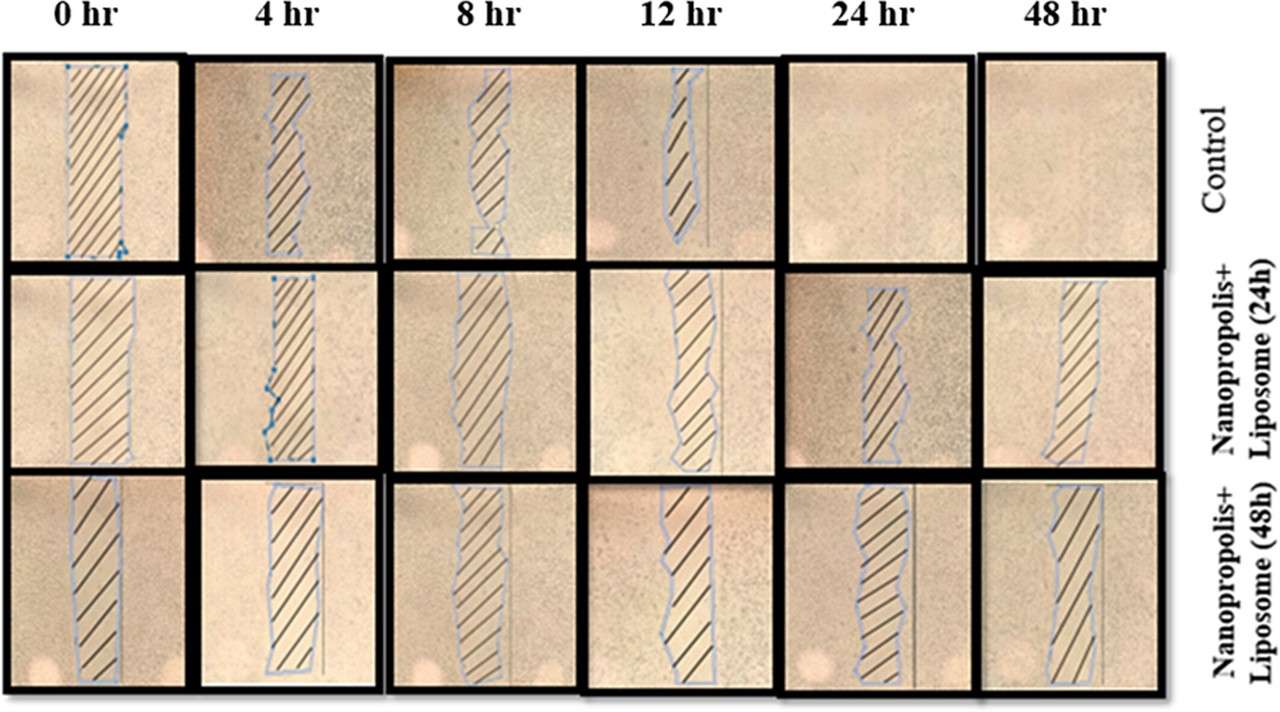 Fig. 4 Scratch assay showing the inhibition of migration of treated cells with IC50 24 and 48 h. 1
Don't let solubility barriers limit your oncology breakthroughs. Creative Biolabs specializes in the exact thin-film hydration and mechanobiological validation techniques highlighted in this study. Whether you need to engineer pH-sensitive liposomes to target the tumor microenvironment or confirm apoptotic pathways in melanoma cells, our team is ready to translate these scientific insights into your next successful project.
Creative Biolabs offers specialized services related to Propolis Liposomes, Lipid-based drug delivery systems, and Melanoma research. From initial formulation to complex mechanobiological characterization, our team provides the technical infrastructure to translate your concepts into validated data.
| Services/Products | Description | Inquiry |
|---|---|---|
| Liposome Development | Custom thin-film hydration and microfluidic encapsulation for hydrophobic compounds. | Inquiry |
| Advanced Characterization | Comprehensive analysis including Size, PDI, Zeta Potential, and Drug Loading efficiency. | Inquiry |
| Process Optimization | Refining formulation parameters to maximize stability and encapsulation rates. | Inquiry |
Reference
 For Research Use Only. Not For Clinical Use
Supports
Online Inquiry

Creative Biolabs is a world-leading liposome provider with extensive experience in liposome preparation, custom formulation development, and characterization.

© 2026 Creative Biolabs. All rights reserved.