Welcome to Creative Biolabs' research highlights, where we explore the cutting edge of therapeutic innovation. In the rapidly evolving landscape of oncology, the convergence of mRNA technology and advanced lipid-based delivery systems is creating new paradigms for treatment. Creative Biolabs stands at the forefront of this revolution, offering specialized expertise in lipid nanoparticle synthesis and formulation to bridge the gap between complex biological challenges and clinical solutions.
Triple-Negative Breast Cancer (TNBC) remains one of the most elusive targets in oncology due to its heterogeneity and lack of specific receptors, rendering traditional therapies largely ineffective. However, the rise of immunotherapy coupled with precision mRNA delivery offers a beacon of hope for patients worldwide. Lipid-based drug delivery systems are pivotal in this arena, protecting fragile genetic payloads and ensuring uptake by critical immune cells. Creative Biolabs provides the advanced formulation strategies needed to help researchers transform these theoretical possibilities into tangible research realities.
The Imperative of Active Targeting
While passive targeting relies on the Enhanced Permeability and Retention (EPR) effect, it is often insufficient for immunotherapies that require uptake by specific cell types. Active targeting involves modifying the surface of lipid carriers with ligands—such as sugars, peptides, or antibodies—that bind to specific receptors on target cells. This increases the local concentration of the drug and enhances cellular uptake via receptor-mediated endocytosis.
Dendritic Cells: The Commanders of Immunity
Dendritic Cells (DCs) are the most potent antigen-presenting cells in the immune system. For cancer vaccines to work, mRNA payloads must be delivered into the cytoplasm of DCs, where they are translated into tumor antigens. DCs express high levels of mannose receptors, making mannose modification a highly effective strategy for directing lipid-based carriers specifically to these immune sentinels.
Recent research has highlighted the immense potential of mannose-modified cationic liposomes (cLipo) for delivering mRNA therapeutics in TNBC models. By systematically screening formulations and optimizing lipid ratios, researchers have achieved significant improvements in delivery efficiency and therapeutic outcomes. The following analysis breaks down the key experimental findings supporting this approach.
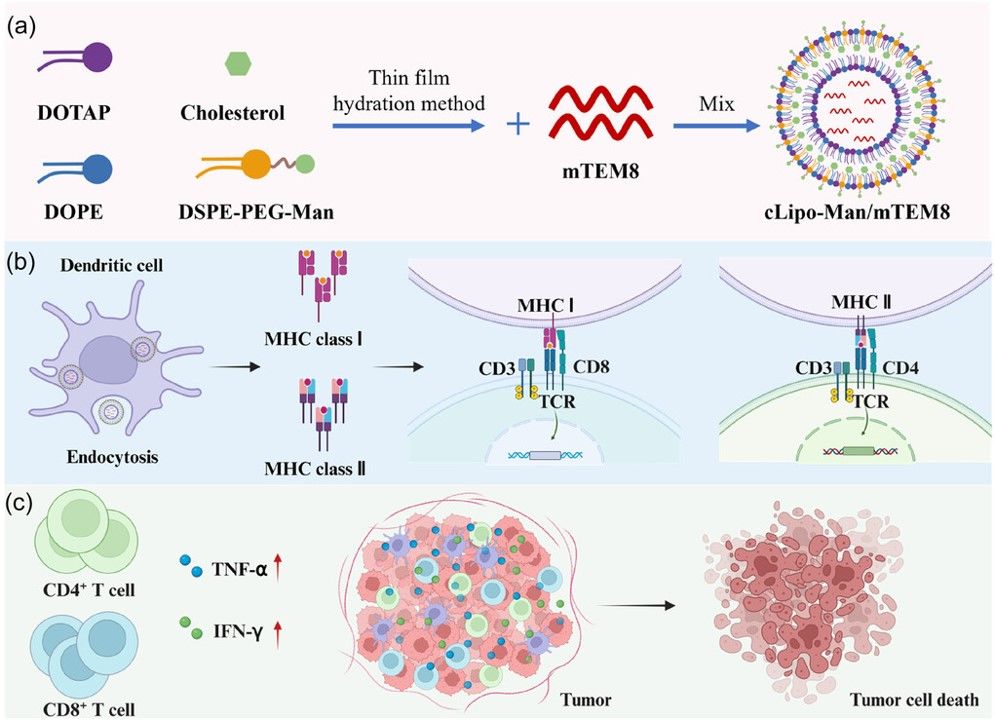 Fig. 1 Schematic illustration of mTEM8-loaded cationic liposome (cLipo-Man/mTEM8) therapeutics for improved TNBC immunotherapy. 1
Researchers successfully developed a specialized lipid delivery system by combining Mannose-modified PEGylated lipids with DOPE, DOTAP, and Cholesterol. Through a systematic screening process focusing on mRNA loading capacity, cytotoxicity profiles, and transfection efficacy, the study identified an optimal formulation that maintains high structural stability while maximizing the delivery potential of the therapeutic payload.
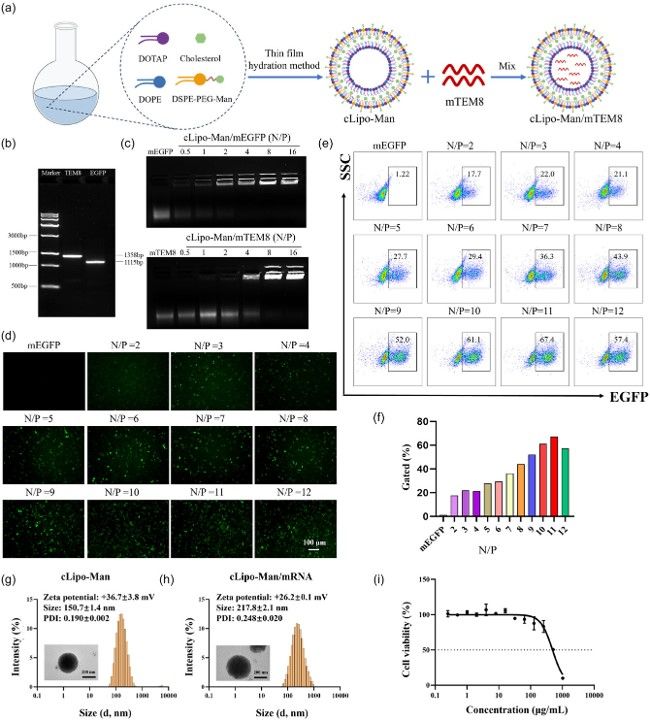 Fig. 2 Synthesis and Characterization of cLipo-Man/mTEM8. 1
The optimized mannose-modified cLipo system (cLipo-Man) demonstrated exceptional active targeting capabilities, specifically directing the mTEM8 mRNA payload to Dendritic Cells. Comparative studies revealed that this targeted approach achieved an eightfold increase in delivery efficiency versus standard commercial liposomes, ensuring that the mRNA reaches the critical cellular machinery required for effective antigen presentation and immune priming.
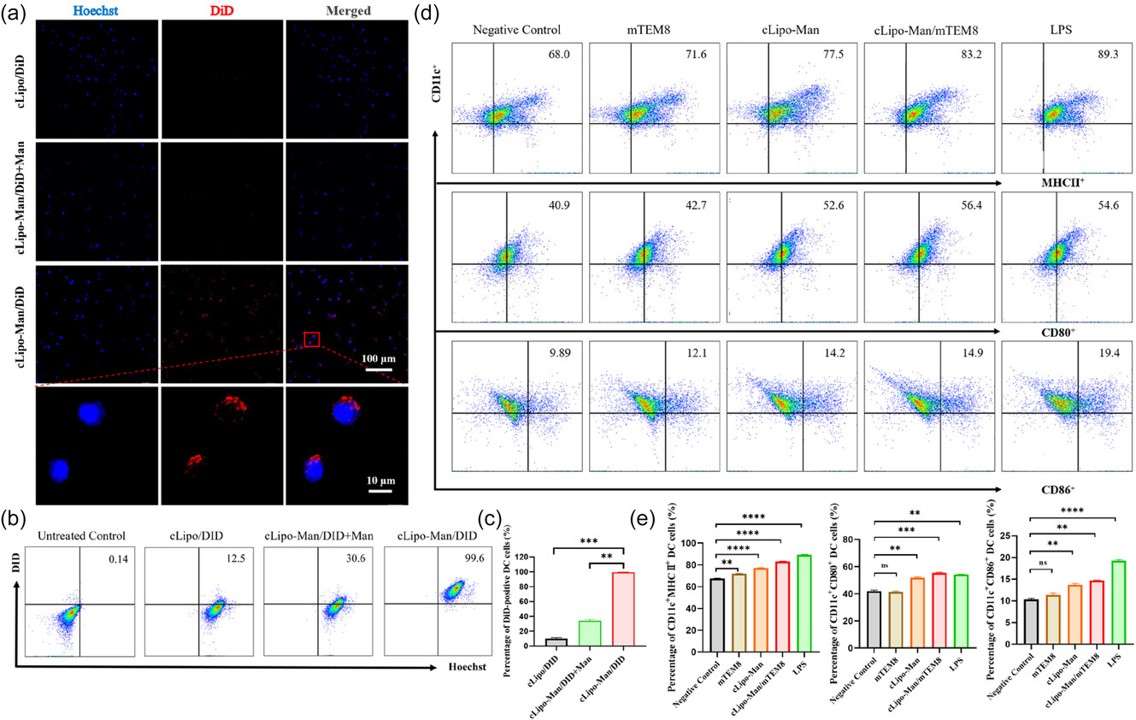 Fig. 3 Mannose-modified cLipos target DCs and activate the immune response in vitro. 1
In therapeutic evaluations using TNBC-bearing mouse models, the treatment elicited robust CD4+ and CD8+ T-cell immune responses, leading to significant suppression of tumor growth. Notably, the survival rate in the treated group doubled compared to controls, demonstrating the system's potent antitumor efficacy while maintaining an excellent biosafety profile suitable for potential clinical translation.
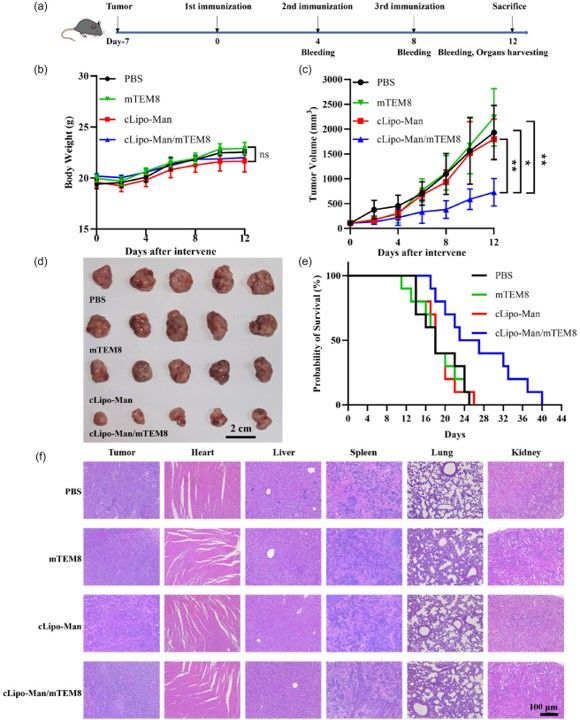 Fig. 4 Evaluation of the therapeutic efficacy in vivo of cLipo-Man/mTEM8 therapeutics for tumor-bearing mice. 1
Contact our expert team today to discuss how we can support your specific project needs in mRNA Therapeutics and lipid-based drug delivery. Whether you need custom formulation, process scale-up, or preclinical validation, we are your partners in innovation.
Creative Biolabs offers specialized services related to mRNA Therapeutics, lipid-based drug delivery systems, and TNBC Immunotherapy applications. Our team supports every stage of development, from initial design to preclinical validation.
| Services/Products | Description | Inquiry |
|---|---|---|
| Liposome Development | Custom formulation of cationic and PEGylated liposomes tailored for mRNA encapsulation. | Inquiry |
| Process Optimization | Optimization of microfluidic parameters for consistent large-scale production. | Inquiry |
| Conjugation Strategy Design | Expert design of ligand-modified lipids (e.g., Mannose, Folate) for active targeting. | Inquiry |
| Characterization Services | Full analysis including particle size, PDI, zeta potential, and drug loading efficiency. | Inquiry |
| Lipid Components | High-purity DOTAP, DOPE, and PEGylated lipids for custom formulations. | Inquiry |
Reference
 For Research Use Only. Not For Clinical Use
Supports
Online Inquiry

Creative Biolabs is a world-leading liposome provider with extensive experience in liposome preparation, custom formulation development, and characterization.

© 2026 Creative Biolabs. All rights reserved.