At the forefront of orthopedic regenerative medicine, the ability to restore cellular "stemness" represents a transformative leap for treating complex injuries. This page explores the critical intersection of molecular biology and advanced drug delivery, specifically addressing the regeneration of the tendon-bone interface in osteoporotic conditions. By leveraging precision-engineered nanocarriers, we can overcome biological barriers that hinder healing. Creative Biolabs stands as your premier partner in this domain, offering decades of expertise in translating complex biological targets into viable, lipid-based therapeutic formulations ready for clinical evaluation.
The healing of the enthesis, the transitional tissue between tendon and bone, remains one of the most significant hurdles in orthopedic surgery, particularly for the aging demographic. Osteoporosis creates a hostile microenvironment that stifles the natural regenerative capacity of tendon stem/progenitor cells (TSPCs), leading to high rates of re-tear and surgical failure. Advanced lipid-based drug delivery systems offer a promising solution to this clinical impasse, providing a vehicle to transport gene-silencing payloads directly to compromised cells. Creative Biolabs empowers researchers to navigate this landscape, offering the formulation expertise needed to turn novel concepts into effective treatments for compromised musculoskeletal tissues.
The Role of TSPCs in Enthesis Repair
TSPCs are the primary drivers of tendon regeneration. In a healthy environment, these cells proliferate and differentiate to bridge the gap between soft tissue and bone. However, in osteoporotic conditions, these cells undergo a phenotypic shift, losing their "stemness" (regenerative potential), which results in fibrous scar tissue rather than functional enthesis.
Why Choose Lipid-Based Systems?
Delivering genetic material (like siRNA) to modulate stem cell behavior in dense connective tissue is notoriously difficult.
Protection: Lipid nanoparticles (LNPs) and liposomes protect fragile RNA payloads from enzymatic degradation in the bloodstream.
Penetration: They facilitate the uptake of therapeutic agents across the cell membrane of hard-to-transfect stem cells.
Targeting: Surface modifications allows for the specific targeting of cells within the unique microenvironment of the tendon-bone interface.
Current scientific investigations have illuminated the molecular pathways responsible for the loss of regenerative capacity in osteoporotic tendons. By utilizing advanced analytical techniques, researchers have mapped specific targets for therapeutic intervention.
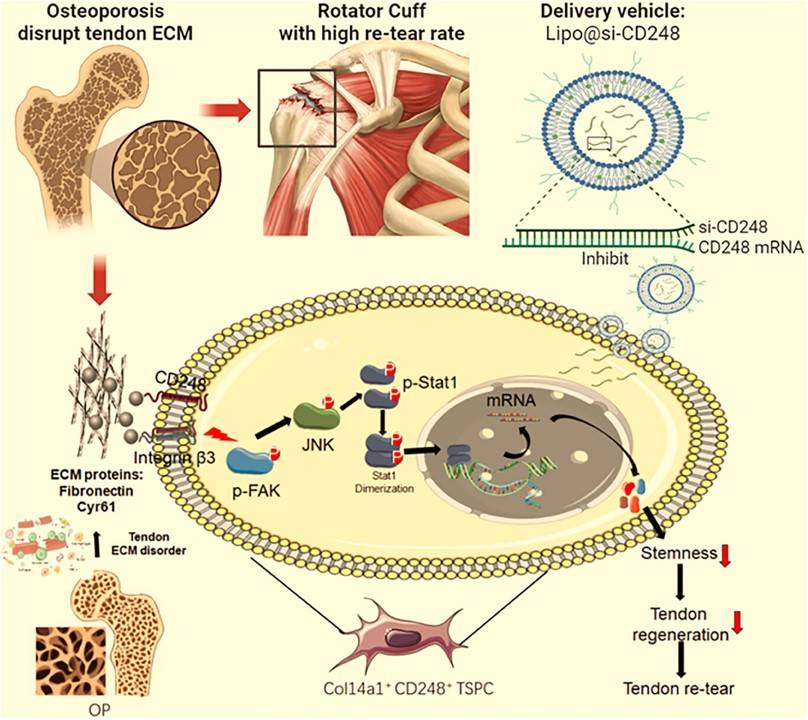 Fig. 1 Bioactive siRNA-Based Liposomes Promoted Tendon-Bone Healing in Osteoporotic Mice by Recovering the Stemness of CD248+ TSPCs. 1
To identify the cellular root of impaired healing, researchers employed RNA sequencing to map the transcriptomic landscape of osteoporotic tendon samples. This comprehensive analysis revealed a significant expansion of a unique TSPC subcluster, termed TSPC-0, which is distinguished by aberrantly high CD248 expression. This finding establishes a direct correlation between the osteoporotic microenvironment and the upregulation of CD248, pinpointing it as a critical negative regulator and a prime candidate for therapeutic targeting.
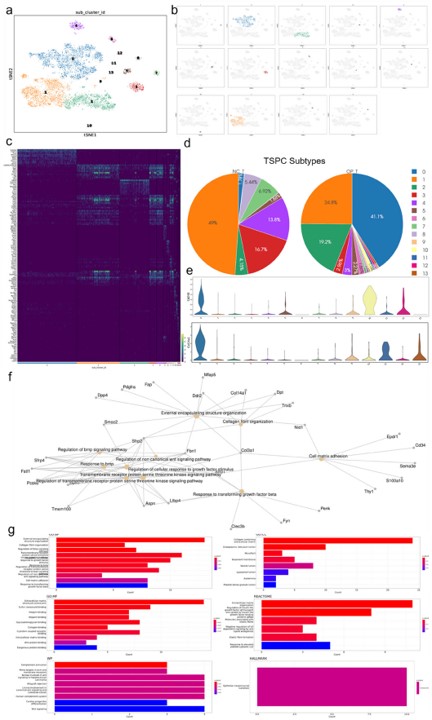 Fig. 2 Subcluster analysis of single-cell RNA sequencing data. 1
Subsequent mechanistic studies aimed to elucidate how CD248 compromises stem cell function. The data demonstrated that CD248 overexpression disrupts the FAK-JAK-STAT1 signaling pathway, a key regulator of cellular vitality. This molecular blockade drives a deleterious phenotypic shift in TSPCs, characterized by suppressed proliferation, impaired migration, and heightened apoptosis. These results clarify the mechanism by which "stemness" is lost, providing the biological rationale for intervention.
Bridging discovery with application, the study developed and characterized si-CD248-loaded liposomes to deliver gene-silencing payloads in vivo. In osteoporotic mouse models, this lipid-based strategy successfully inhibited CD248 expression, effectively reversing the stemness defects. The treatment led to measurable improvements in tissue regeneration, including superior histological scores, organized collagen deposition, and enhanced biomechanical strength at the tendon-bone interface, validating the clinical potential of this nanomedicine approach.
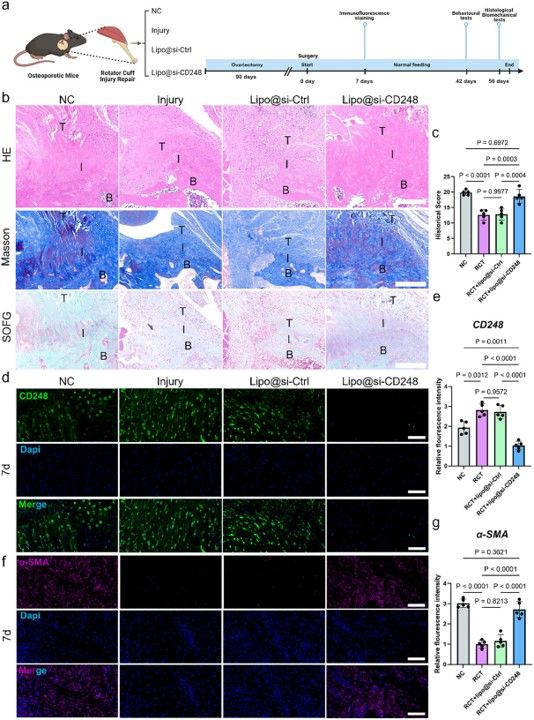 Fig. 3 Lipo@si-CD248 promoted tendon-bone healing after rotator cuff injury in osteoporotic mice. 1
Are you developing novel immunotherapies for autoimmune diseases or allergies? Do not let formulation challenges hinder your progress. Contact our expert team today to discuss how we can support your specific project needs in skin DC targeting and lipid-based drug delivery. From custom liposome synthesis to validation assays, we are your partners in innovation.
Unlock the potential of CD248 targeting with Creative Biolabs' advanced lipid delivery solutions. Contact our expert team today for precision formulation strategies that drive your orthopedic regeneration research forward.
Creative Biolabs offers a comprehensive suite of services designed to accelerate your research in lipid-based drug delivery for orthopedic and regenerative applications. From initial formulation to pre-clinical validation, our team ensures your therapeutic candidates are optimized for success.
| Services/Products | Description | Inquiry |
|---|---|---|
| Liposome Development | Custom thin-film hydration and microfluidic encapsulation for hydrophobic compounds. | Inquiry |
| Advanced Characterization | Comprehensive analysis including Size, PDI, Zeta Potential, and Drug Loading efficiency. | Inquiry |
| Process Optimization | Refining formulation parameters to maximize stability and encapsulation rates. | Inquiry |
Reference
 For Research Use Only. Not For Clinical Use
Supports
Online Inquiry

Creative Biolabs is a world-leading liposome provider with extensive experience in liposome preparation, custom formulation development, and characterization.

© 2026 Creative Biolabs. All rights reserved.