

ADC-Focused Anti-Glycan Antibody Engineering Service
Conjugation-Aware Anti-Glycan Antibody Planning for ADC Research
Creative Biolabs develops ADC-focused anti-glycan antibody engineering plans for research teams that need more than a strong binding signal. Within our anti-glycan antibody research services, this ADC-focused engineering service evaluates whether a glycan-binding antibody can retain live-cell recognition, support cellular uptake studies, and remain compatible with a practical conjugation strategy.
Engineering Focus
- Sequence liabilities, antibody format, and conjugation routes are reviewed together.
- Binding retention, cell-surface recognition, and uptake readouts are separated for clearer prioritization.
- Candidate recommendations are aligned with practical ADC model construction and comparative testing.
Overview
Developing an anti-glycan antibody as an ADC research molecule requires a coordinated view of antigen presentation, antibody format, engineering sites, and assay readouts. Glycan epitopes can be shallow, clustered, conformation-sensitive, or strongly affected by the native glycocalyx, so an antibody that performs well in purified-antigen screening may need additional engineering before it is useful in cell-based ADC feasibility work.
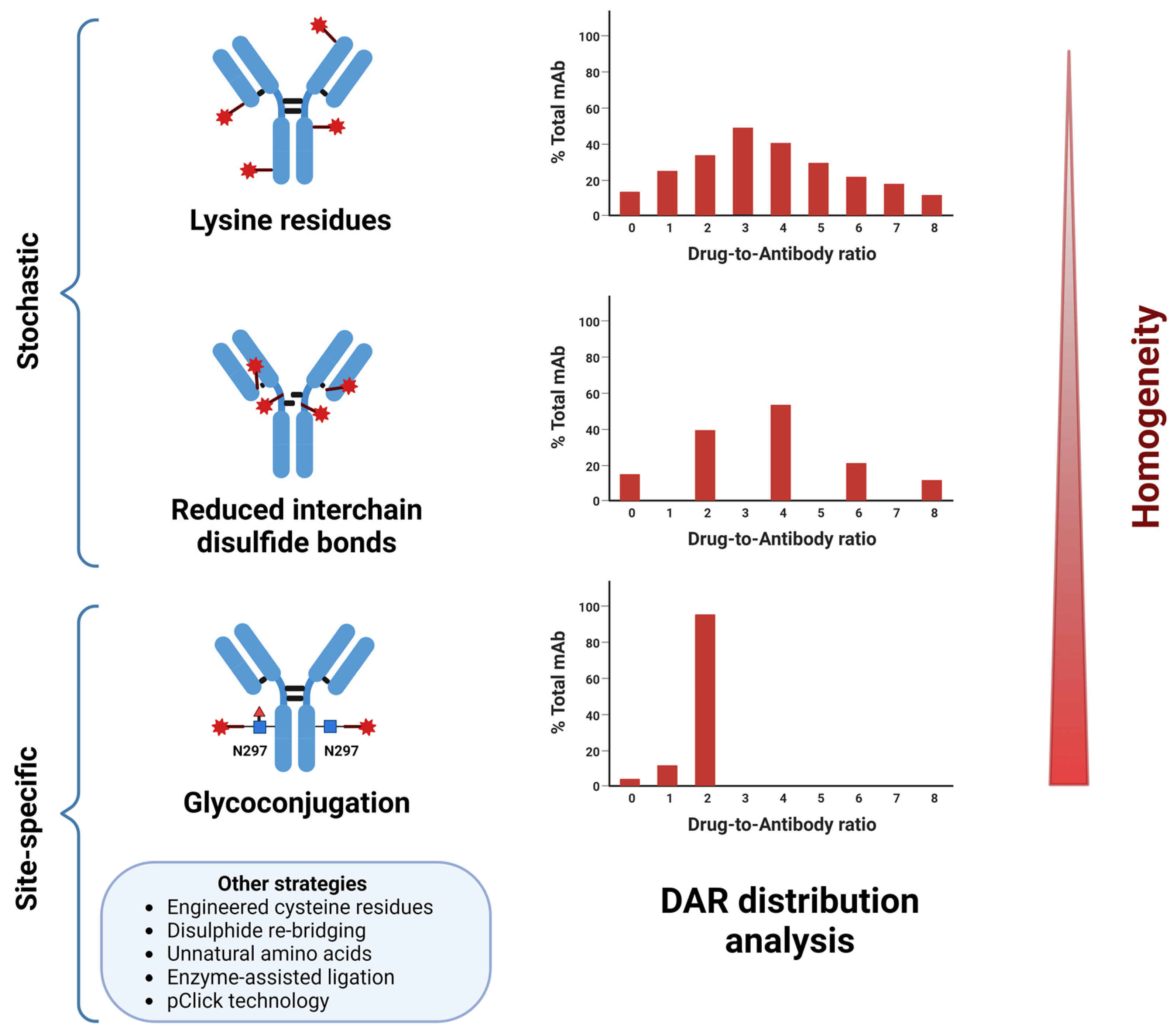
Fig.1 Conjugation strategies for ADC development.1
Our service supports the transition from candidate antibody sequence to conjugation-aware research design. We assess sequence liabilities, binding retention, cell-surface recognition, compatibility with cellular uptake evaluation, and candidate conjugation routes so clients can prioritize antibodies with a clearer path toward ADC model construction and comparative testing.
Key Requirements
ADC-oriented anti-glycan antibody engineering is guided by four linked requirements. Each requirement is examined independently because one favorable property does not automatically predict the others.
Target-cell binding
The antibody should recognize the glycan determinant on live cells, where antigen density, membrane context, and neighboring glycans may differ from purified or denatured antigen presentations.
Cellular uptake performance
A candidate that binds tightly may still show limited cellular uptake. We therefore separate affinity evaluation from uptake assessment and design readouts that track time-dependent cellular accumulation.
Conjugation compatibility
Accessible lysine or cysteine residues, engineered cysteine sites, peptide tags, or enzymatic conjugation handles are reviewed for likely impact on binding, stability, and manufacturability at research scale.
Specificity window
Because glycan motifs may appear across related cell types or biomolecules, off-target binding risk is assessed through counter-screening recommendations and control antigen planning.
Service Capabilities
Creative Biolabs combines antibody sequence review, molecular-format planning, and assay design to create an engineering path that matches the intended conjugation chemistry. The scope can begin with parental antibody sequences or purified candidates and extend to engineered constructs prepared for downstream labeling or payload-conjugation feasibility studies.
Characterization Outputs
A typical project delivers a practical data package rather than a single affinity number. Depending on project scope, outputs may include live-cell binding curves reported with MFI and EC50, time-dependent cellular uptake profiles across selected time points, SPR-derived affinity data, off-target risk notes, and a conjugation-site recommendation report.
The goal is to help researchers decide which candidates should move into conjugation feasibility, which require additional engineering, and which should be deprioritized because binding, uptake, or specificity risks are too high for the intended ADC research model.
Inquiry Guidance
To scope an ADC-focused engineering project, please share the target cell line, known or estimated antigen-expression level, candidate antibody sequence or format, planned conjugation chemistry, and intended research readout such as in vitro killing, trafficking, imaging, or biodistribution-oriented evaluation.
Creative Biolabs can then recommend a staged plan that begins with the most decision-critical experiments and expands only when the candidate shows sufficient binding, cellular uptake, and conjugation readiness for the next research step.
Why Choose Creative Biolabs
Creative Biolabs brings anti-glycan antibody experience together with antibody engineering and assay-development support, allowing the project plan to account for glycan epitope context, antibody architecture, and ADC-specific feasibility questions at the same time.
Discuss ADC-Focused Anti-Glycan Antibody Engineering
Connect with Creative Biolabs to align antibody format, glycan epitope context, assay design, and conjugation strategy for research-use ADC feasibility planning.
Customer Reviews
Recommended Products
Carbohydrate Antigen Products
A research-use collection of carbohydrate antigens, including oligosaccharides, nucleosides, monosaccharides, neoglycolipids, and glycans, suitable for glycan-focused antibody generation, binding studies, and assay development.
Explore Related ProductsMonoclonal Antibody Products
Designed for precise glycoepitope recognition, these monoclonal antibody products support high specificity, reduced cross-reactivity, and advanced screening workflows for glycan profiling, diagnostics, and therapeutic research.
Explore Related ProductsPolyclonal Antibody Products
These polyclonal antibody products offer broad epitope recognition, strong signal generation, and flexible use in glycoantigen detection, immunoassays, and other applications that benefit from high sensitivity.
Explore Related Products