

Hybridoma Screening for Anti-Glycan Binders Service
Hybridoma Screening for Anti-Glycan Binders in Antibody Discovery
Within our Anti-Glycan Antibody Research Services, Creative Biolabs offers a hybridoma screening service for research teams working on carbohydrate antigens. This service focuses on screening and triaging hybridoma clones or supernatants with comparator glycans, presentation-aware controls, and follow-up confirmation when needed. The goal is to help identify research-use lead clones with clearer specificity profiles before downstream subcloning or broader characterization.
What This Service Emphasizes
- Screening design tailored to carbohydrate antigens and related-structure risk.
- Stepwise clone triage supported by comparator panels and counter-screens.
- Research-use lead selection aligned with downstream assay needs and project scope.
Overview of Hybridoma Screening for Anti-Glycan Binders
Anti-glycan antibody programs often lose confidence at the screening stage. Small changes in linkage, branching, density, spacer design, or carrier presentation can change the apparent behavior of a clone. A supernatant that looks positive in one conjugate-based assay may later prove to be linker-driven, carrier-influenced, or broadly reactive toward related carbohydrate motifs. For that reason, anti-glycan hybridoma screening usually needs tighter control logic than routine protein-focused screening.
Our emphasis is the screening stage itself. Depending on project scope, we can review target presentation, build primary and counter-screen panels, compare related glycans, and rank candidates for follow-up work. Upstream activities such as immunization, fusion, or full antibody development can be planned as separate services when needed.
- Primary positives should be checked against matched controls before clone prioritization.
- Screen design should separate glycan recognition from carrier, linker, and presentation effects.
- Related-glycan comparators improve confidence in specificity calls.
- Lead nomination should balance selectivity, reproducibility, and downstream assay fit.
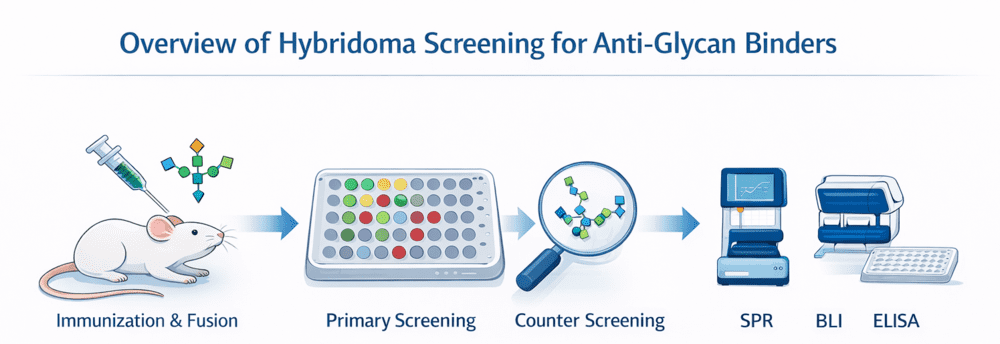
Fig.1 Hybridoma screening for anti-glycan binders overview.
Why Anti-Glycan Hybridoma Screening Needs Specialized Screening
Glycan-directed screening places unusual pressure on assay design because the target epitope may be small, repeated, flexible, or highly dependent on how it is displayed. A generic screening cascade can enrich clones with acceptable signal but weak interpretability. A glycan-aware workflow asks earlier whether the signal is structure-specific, presentation-dependent, or driven by non-glycan components of the assay system.
Presentation Dependence
Binding can shift when the same glycan is displayed on a different carrier, linker, or surface density.
Fine Structural Similarity
Closely related glycans may differ only by linkage or branching, yet those differences can determine whether a clone is genuinely useful.
High False-Positive Risk
Early hits may reflect reactivity toward scaffold components, linker chemistry, multivalent presentation, or broad carbohydrate recognition.
Late Attrition Pressure
Without rigorous clone triage, apparent positives can fail during follow-up validation or assay transfer.
What Our Hybridoma Screening Service Covers
Creative Biolabs offers Hybridoma Screening for Anti-Glycan Binders to help researchers evaluate hybridoma-derived candidates against carbohydrate targets in a more targeted and interpretable way. This service is intended for projects where glycan structure, target presentation, and potential cross-reactivity need to be considered carefully during clone assessment. We focus on screening and comparative evaluation of submitted hybridoma-related materials so clients can better understand which candidates show more meaningful glycan-associated binding patterns for research use. This service is limited to the agreed screening scope and does not automatically include immunization, hybridoma generation, subcloning, antibody production, or full biological function studies unless requested as separate project components.
Service Workflow for Hybridoma Screening of Anti-Glycan Binders
Our service workflow is designed to help distinguish true anti-glycan hybridoma hits from carrier-driven, linker-related, or broadly reactive binders. By combining primary screening, related-glycan comparison, orthogonal review, and lead ranking, we support more confident selection of research-use clones for downstream studies.
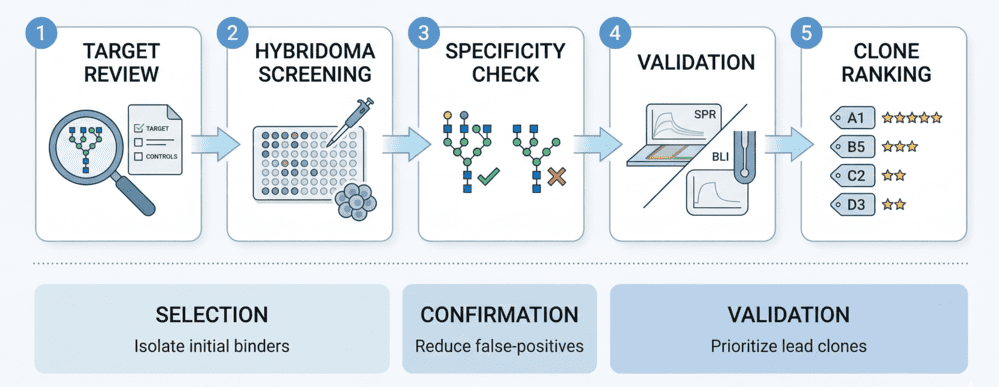
Fig.2 Service workflow for hybridoma screening of anti-glycan binders.
Sample and Target Review
Review the target glycan, immunogen design, available controls, and expected screening goals before assay setup.
Hybridoma Screening
Screen hybridoma supernatants in a suitable primary assay to identify initial binders against the intended glycan presentation.
Specificity and Counter-Screening
Compare positive clones against related glycans and matched negative controls to reduce false-positive selection.
Validation
Confirm prioritized clones in an additional screening format when needed to assess consistency and application relevance.
Lead Clone Ranking
Rank the most promising research-use clones based on signal quality, selectivity, reproducibility, and fit for follow-up work.
Sample Requirements for Custom Hybridoma Screening
A useful submission package gives enough context to build the screening panel and control hierarchy. Depending on scope, projects may begin from hybridoma-derived samples, predefined clone lists, or other client-provided materials. The more clearly the target and intended use are defined, the more informative the screening plan becomes.

Suggested Submission Items
- Available screening materials, such as hybridoma supernatants, hybridoma cells, or clone identifiers.
- Target glycan definition, presentation format, and any closely related comparator glycans.
- Available positive, negative, carrier, linker, or matrix controls relevant to the assay design.
- Preferred screening readout, such as ELISA, cell-based binding assay, or glycan array review when applicable.
- Expected downstream application and any selectivity concerns that should guide clone ranking.
Deliverables for Hybridoma Screening Service
Deliverables are intended to support decisions rather than provide signal data alone. Depending on the assay package, we summarize how clones moved through the screening cascade, where they were filtered, and which candidates best fit the agreed research criteria.
Typical Project Output
- Screening plan summary with target context, controls, and comparator logic.
- Primary screen results with clone-level signal review and pass/fail notes.
- Comparator glycan or counter-screen summary, when included in the project scope.
- Recommended follow-up clone list with ranking rationale and next-step suggestions.

Need to Screen Hybridoma Clones Against Carbohydrate Antigens?
Share your target glycan, related structures, available samples, and preferred assay context. Our scientists can help define a practical screening plan, build the right control set, and identify the most informative path for research-use clone triage.
Published Data Supporting Hybridoma Screening for Anti-Glycan Binders
Published data support an important point in anti-glycan screening: a conjugate-positive hybridoma clone is not automatically a glycan-specific clone. Follow-up testing against comparator structures and orthogonal glycan platforms can be critical for interpreting apparent positives.
Why This Published Dataset Matters
In the cited study, mice were immunized with LNFPIII conjugates, hybridomas were screened by ELISA, and one IgG1 clone was prioritized for follow-up analysis. That clone later showed reactivity across multiple conjugate formats and no significant binding on two glycan microarray platforms. Based on the full dataset, the authors concluded that the clone most likely recognized the APD linker-spacer rather than the intended glycan epitope.
The practical lesson for anti-glycan screening is clear. Primary conjugate-based positivity should be checked with matched carrier or linker controls, related-glycan comparators, and orthogonal specificity tools when the project requires higher confidence.
The broader glycan microarray literature also supports the use of array data to define glycan-recognition profiles more rigorously during antibody evaluation. Together, these references support a screening strategy that reduces false prioritization and improves confidence in lead nomination.
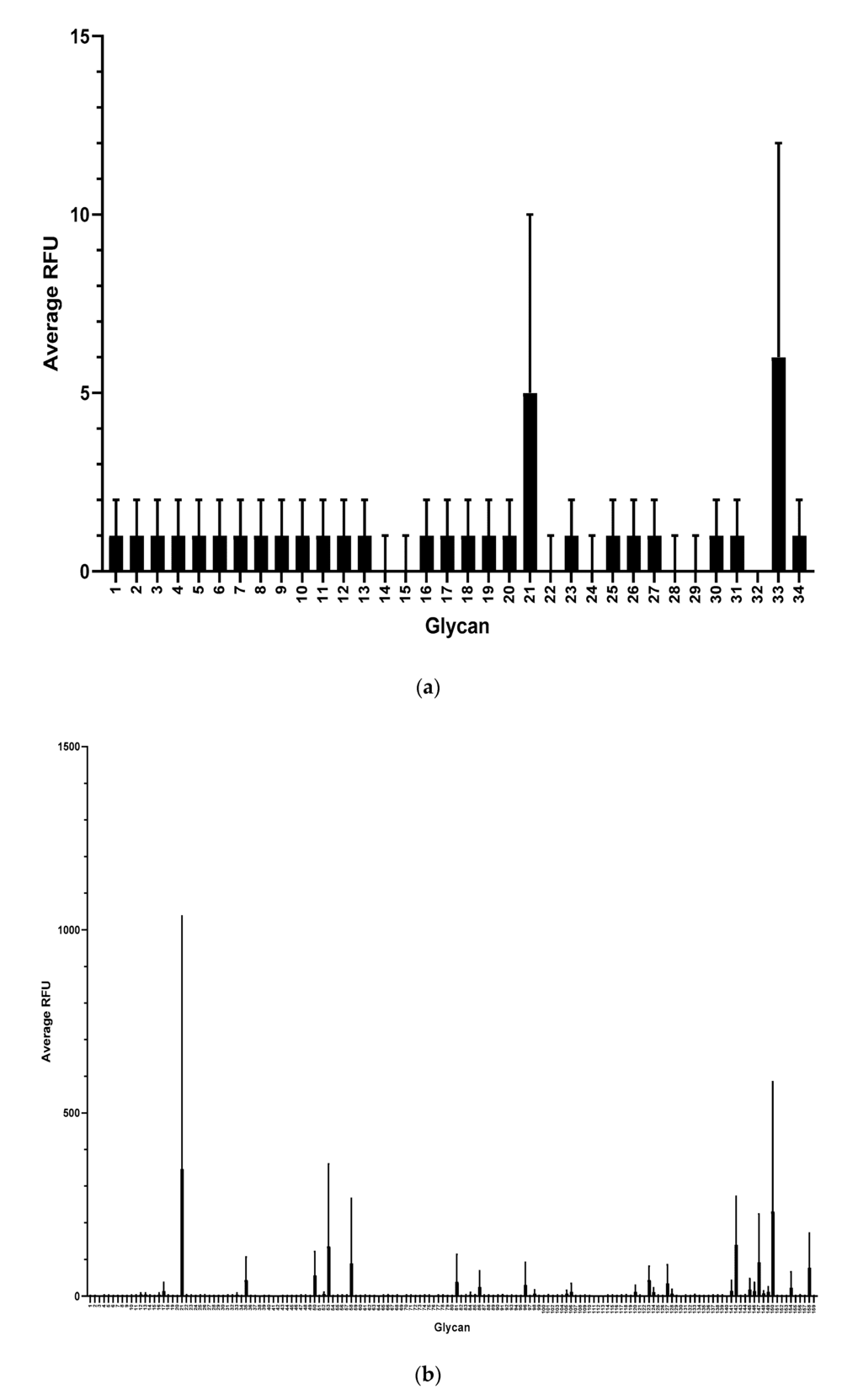
Fig.3 Glycan microarray screening of the selected hybridoma-derived monoclonal antibody.1
Customer Review
Recommended Products
These product categories can support target definition, control design, and follow-up evaluation in anti-glycan screening workflows.
Carbohydrate Antigen Products
Suitable for target definition, related-glycan comparison, and assay design in programs that need to screen hybridoma clones against carbohydrate antigens.
Learn MoreMonoclonal Antibody Products
Useful as benchmark reagents or reference materials when evaluating selectivity and assay transferability in hybridoma screening service projects.
Learn MorePolyclonal Antibody Products
Can support comparative assay development, control generation, and broad exploratory studies in glycan-focused research programs.
Learn More