


Ganglio Series of Glycosphingolipids Analysis Service
Precise Quantification for Ganglioside Research
At Creative Biolabs, we understand that decoding complex lipid structures demands sophisticated analytical precision. As an essential progression of our established glycolipid analysis service, our comprehensive ganglio series glycosphingolipids analysis service provides researchers with unparalleled accuracy in targeted lipid profiling. We leverage high-resolution negative ion mode mass spectrometry to deliver absolute quantification and molecular-level annotation for neurobiology, oncology, and immunology research.
Analytical Advantage
- Enhanced sialic acid retention through optimized source parameters.
- Accurate differentiation of closely related isomeric structures.
- Detailed identification of non-human sialic acid variants for xenotransplantation models.
Scientific Background and Challenges
Gangliosides constitute a highly complex and biologically essential class of glycosphingolipids. These molecules are structurally defined by a hydrophobic ceramide lipid anchor attached to a hydrophilic neutral oligosaccharide core, which is further modified by one or more sialic acid residues. The immense structural diversity of the ganglio series is primarily categorized into GM, GD, GT, and GQ classifications, representing mono-sialylated, di-sialylated, tri-sialylated, and tetra-sialylated species, respectively. These complex lipids execute critical physiological functions, particularly within the central nervous system, where they facilitate cellular recognition, regulate signal transduction pathways, and modulate membrane protein architecture. Abnormalities in ganglio series expression profiles are frequently correlated with the onset and progression of neurodegenerative disorders, tumorigenesis, and immune system dysfunction. Consequently, deploying a robust ganglio series of glycosphingolipids analysis by LC-MS/MS is indispensable for mapping disease biomarkers and identifying novel therapeutic targets.
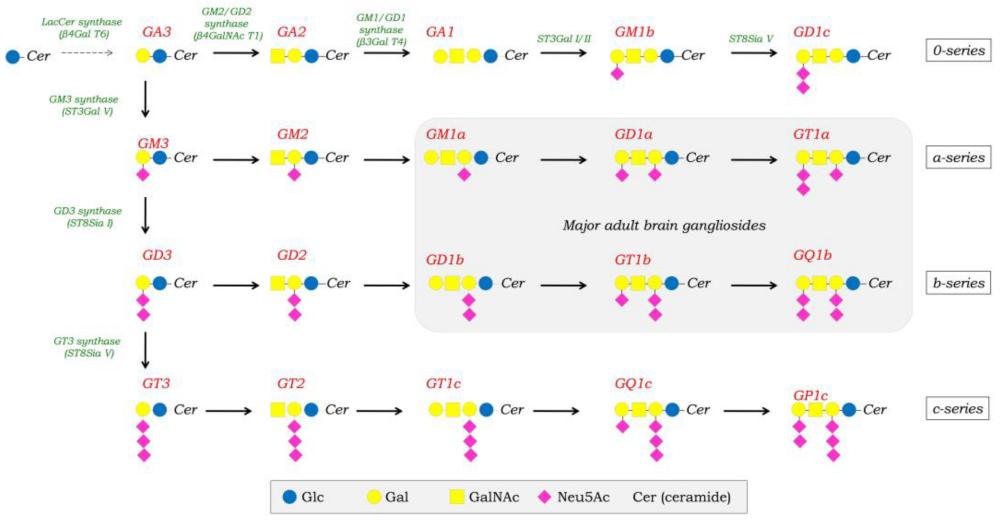
Fig.1 Ganglioside biosynthesis pathway.1
Services We Provide
Our custom ganglio series profiling service encompasses a full spectrum of analytical solutions tailored to complex lipid research. Key service features include:
- Comprehensive Profiling: Detailed analysis across the entire ganglio series, capturing minor structural variations within the GM, GD, GT, and GQ groups.
- Quantitative Analysis: Absolute ganglio series quantification alongside precise molecular-level annotations.
- Neu5Ac / Neu5Gc Differentiation: Dedicated differentiation module for non-human sialic acid variants, critical for investigating immunogenicity in xenotransplantation models and biotherapeutics.
Challenges & Solutions
Profiling complex ganglioside structures presents formidable analytical hurdles. The dual nature of the molecule creates extreme polarity, making standard chromatographic separation exceedingly difficult. Furthermore, sialic acid residues are exceptionally fragile and prone to severe in-source fragmentation during mass spectrometry ionization. Our ganglio series analysis methods resolve these issues through an optimized negative ion mode LC-MS/MS framework. The negative ion mode advantage lies in the highly efficient ionization response of the negatively charged sialic acid components. We meticulously calibrate soft ionization source parameters to preserve the intact glycosphingolipid molecule, effectively preventing in-source fragmentation and guaranteeing high-fidelity precursor mass assignments.
High Polarity
The combination of a hydrophobic ceramide tail and a highly hydrophilic, negatively charged sialylated glycan head creates severe chromatographic difficulties.
In-source Fragmentation
Sialic acid residues are exceptionally fragile and prone to cleavage during the ionization process, leading to inaccurate precursor mass assignments.
Sialic Acid Differentiation
Separating and confirming N-acetylneuraminic acid (Neu5Ac) from N-glycolylneuraminic acid (Neu5Gc) is critical for xenotransplantation research.
Isomeric Complexity
Multiple structural isomers exist within the same mass parameters, confounding basic identification workflows.
Negative Ion Mode LC-MS/MS
We deploy optimized negative ion mode methods to exploit the inherent charge of sialic acids, maximizing sensitivity.
Soft Ionization Parameters
Our source settings are precisely calibrated to minimize in-source fragmentation and preserve the intact glycosphingolipid molecule.
High-Resolution MS/MS
Advanced mass accuracy capabilities ensure explicit distinction between Neu5Ac and Neu5Gc modifications.
Optimized Gradient Systems
Specialized liquid chromatography gradients effectively resolve structurally similar ganglioside isomers prior to mass detection.
Research Problems Solved
Our ganglio series lipidomics service for research directly mitigates prevalent investigational bottlenecks by providing actionable data for complex biological questions:
- Pathological Tracking: Track specific ganglioside alterations corresponding with pathological transitions in tumor microenvironments or neurodegenerative disease models.
- Immunological Insights: Rigorous Neu5Ac and Neu5Gc distinction to empower advanced immunological studies and biomarker validation.
- Xenotransplantation Safety: Confidently detect non-human sialic acid incorporation in complex biological matrices to assess the safety and efficacy of engineered tissues.
Why Choose Creative Biolabs for Ganglio-Series Glycosphingolipids Analysis
Our ganglio series glycosphingolipids analysis service is structured to deliver maximum analytical confidence for the most demanding lipid research programs.
Optimized Ganglio Series Profiling Workflow
Our ganglio series profiling workflow is engineered for systematic precision and complete data transparency to ensure the highest quality results.
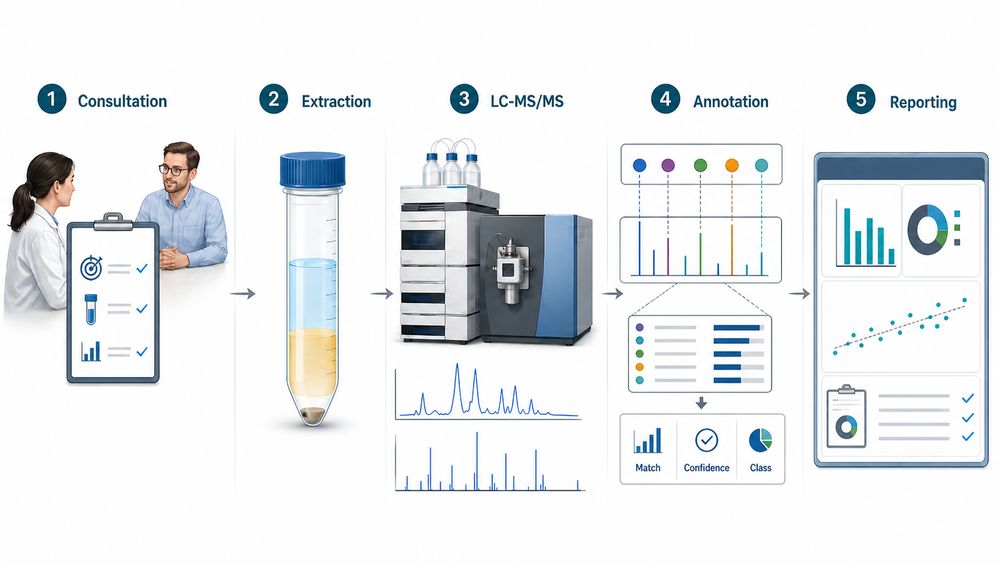
Fig.2 Ganglio series profiling workflow overview.
Consultation
Defining absolute versus relative quantification parameters and establishing target ganglioside species.
Extraction
Implementing specialized phase separation protocols designed for highly polar glycosphingolipids.
LC-MS/MS
Acquiring high-resolution data in negative ion mode to ensure optimal sialic acid detection.
Annotation
Processing fragmentation spectra to map ceramide backbones and sequence glycan chains.
Reporting
Delivering a comprehensive analytical summary including customized biomarker correlations.
Sample Types We Can Support
Our custom ganglio series biomarker analysis platform is highly versatile, accommodating a diverse array of biological materials. Strict adherence to sample preparation guidelines ensures maximum lipid stability prior to extraction.

Supported Biological Matrices
- Cultured Cells: Minimum requirement of cell pellets washed thoroughly with cold buffer to remove media contaminants.
- Solid Tissues: Central nervous system tissues, tumor biopsies, and general organ samples require flash-freezing immediately upon collection.
- Blood Derivatives: We expertly perform ganglio series quantification in serum samples and plasma to support systemic biomarker discovery.
- Immune Cells: Isolated leukocyte populations can be processed for tracking specific immunological ganglioside signatures.
Deliverables and Data Outputs
Clients utilizing our ganglio series analysis service receive publication-ready datasets and comprehensive methodology documentation.
Provided Analytical Data
- Comprehensive species list featuring exact mass calculations and structural annotations.
- Detailed retention time mapping aligned with specific ganglioside subclasses.
- High-resolution MS/MS spectra that explicitly confirm ceramide composition and sialic acid positioning.
- Absolute quantification tables generated against designated internal lipid standards.
- Dedicated annotation reports differentiating Neu5Ac and Neu5Gc modifications.

Ready to Accelerate Your Glycosphingolipid Research?
Contact our scientific team to discuss your specific ganglio series quantification requirements and establish a customized analytical protocol for your biological samples.
Published Data
Advanced mass spectrometry (MS) technologies, including high-resolution (HR) MS and tandem MS (MS/MS), have fundamentally transformed the landscape of ganglioside biomarker discovery. Recent literature emphasizes the indispensable role of optimized ganglio series analysis methods in decoding complex lipid mixtures within challenging matrices, such as primary brain tumors and metastases.
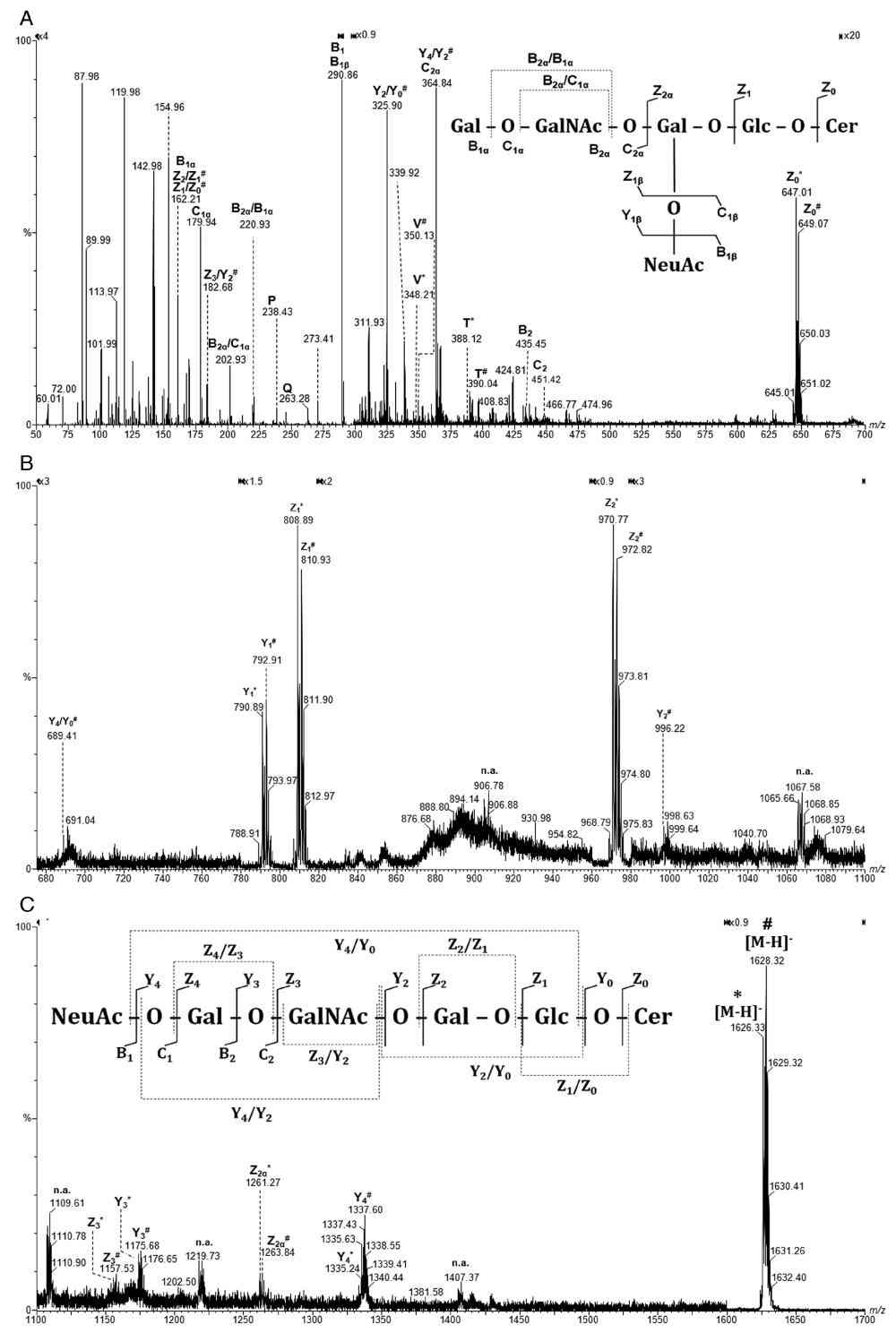
Fig.3 Mass spectrometry of the native ganglioside mixture.1
In a recent comprehensive review on mass spectrometry of gangliosides expressed in brain cancers, leading scientists highlighted the diagnostic capabilities of modern MS platforms:
- Advanced Molecular Characterization: High-resolution Orbitrap MS and nanoESI chip MS configurations provide exceptional resolving power, enabling the differentiation of highly diverse and low-abundance ganglioside species from intricate biological matrices.
- Precise Structural Elucidation: The application of collision-induced dissociation (CID) in MS/MS ensures explicit structural validation, including precise ceramide composition and sialic acid positioning mapping.
- Biomarker Discovery Validation: Contemporary studies substantiate that gangliosidome profiling utilizing negative ion mode efficiently captures critical pathological shifts, such as altered GD3 or GM3 expression associated with aggressive tumor proliferation and metastases.
Customer Review
Recommended Products
This product module highlights representative anti-glycan product categories that support ganglioside extraction, high-specificity detection, and sensitive binding research in a compact and visually consistent layout.
Carbohydrate Antigen Products
A research-use collection of carbohydrate antigens suitable as reference standards for ganglio series quantification and assay development.
Learn MoreMonoclonal Antibody Products
Designed for precise glycoepitope recognition, these monoclonal antibodies support high specificity screening workflows for ganglioside profiling and therapeutic research.
Learn MorePolyclonal Antibody Products
These polyclonal antibody products offer broad epitope recognition and strong signal generation in glycosphingolipid detection and immunoassays.
Learn More