
High-Fat & High-Cholesterol Diet & Fructose induced Non-Alcoholic Steatohepatitis (NASH) Modeling & Pharmacodynamics Service
Creative Biolabs offers a variety of well-established models for evaluating NASH drug efficacy, providing tailored services to help assess the therapeutic potential of new compounds and treatment strategies in preclinical studies.
Introduction
Non-alcoholic steatohepatitis (NASH) is a progressive liver disease characterized by fat accumulation, inflammation, and liver cell damage without excessive alcohol consumption. It is a critical stage in the spectrum of non-alcoholic fatty liver disease (NAFLD), which includes simple steatosis (fatty liver) that may progress to NASH, fibrosis, cirrhosis, and eventually hepatocellular carcinoma. NASH is closely linked to metabolic disorders such as obesity, type 2 diabetes, hyperlipidemia, and insulin resistance. The pathogenesis of NASH involves complex interactions between oxidative stress, inflammatory cytokines, and impaired lipid metabolism. Early-stage NASH often remains asymptomatic, making diagnosis challenging, but it is associated with significant liver damage and a high risk of developing more severe liver complications. Effective treatments for NASH are currently limited, and there is an urgent need for novel therapeutic options to prevent disease progression and improve patient outcomes.
Disease Models and Applications
The High-Fat & High-Cholesterol Diet & Fructose induced NASH Model is an effective tool for studying the pathogenesis and treatment of NASH. This model involves feeding rodents a diet high in fat, cholesterol, and fructose, which leads to the development of fatty liver, insulin resistance, inflammation, and fibrosis, mimicking key aspects of human NASH. The model is widely used for testing novel drugs aimed at reducing liver fat accumulation, inflammation, and fibrosis. One advantage of this model is its ability to replicate the metabolic and histopathological features of human NASH. However, a limitation is that it may not fully capture the genetic complexity of human disease. This model is particularly useful for preclinical drug testing and understanding the molecular mechanisms underlying NASH progression.
- Simulates: The High-Fat & High-Cholesterol Diet & Fructose induced NASH Model simulates human NASH, focusing on liver steatosis, inflammation, and fibrosis, while also mimicking the metabolic disturbances observed in obesity and type 2 diabetes.
- Evaluates Drugs: This model is used to evaluate the efficacy of drugs targeting liver fat accumulation, inflammatory pathways, and fibrosis. It helps assess the potential of therapeutic agents in reversing or preventing the progression of NASH, including anti-inflammatory, anti-fibrotic, and lipid-lowering drugs.
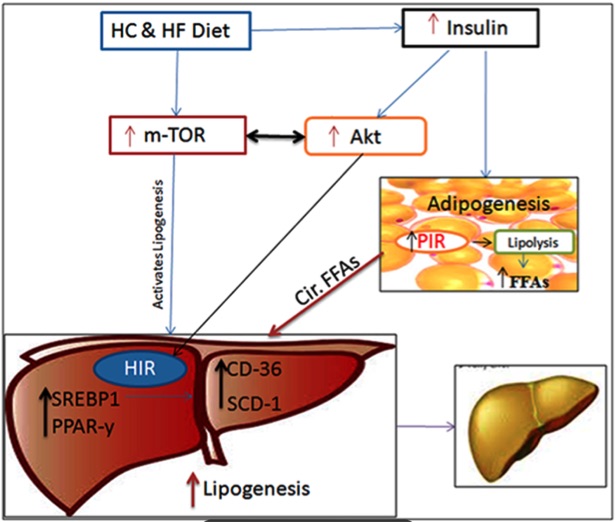 Fig. 1 Schematic diagram representing the roles of diet, m-TOR-Akt-insulin signaling in developing NAFLD.1
Measurements
We offer a variety of measurements for evaluating drug efficacy in the High-Fat & High-Cholesterol Diet & Fructose induced NASH Model, utilizing advanced technologies, including but not limited to:
- General observations: body weight, liver weight, mortality rate, and food intake.
- Histological analysis: Liver tissue staining (H&E, Oil Red O) for fat deposition and liver damage.
- Cytokine profiling: Expression levels of inflammatory cytokines such as TNF-α, IL-6, and IL-1β, measured by ELISA.
- Biomarker analysis: Serum liver enzymes (ALT, AST), bilirubin, and triglycerides for assessing liver injury and metabolic status.
- Gene/protein expression: RT qPCR and Western blot analysis to evaluate markers of inflammation, oxidative stress, and fibrosis.
In addition to the established High-Fat & High-Cholesterol Diet & Fructose induced NASH Model, our expertise extends to other animal models of NASH induced by different methods.
Related Services
We also offer a variety of other animal models of NASH, including those induced by the CDAA diet or the use of chemical agents like STZ. Our scientific team is available to assist in selecting the most appropriate model and customizing the experimental design for your specific research goals. Additionally, we provide expert support in data analysis and model optimization to ensure high-quality results.
- Diet induced Obesity (DIO) Mouse NASH Model
- High-Fat Diet induced NASH Model
- Methionine Choline-Deficient (MCD) Diet induced NASH Model
- Choline-Deficient L-Amino Acid-Defined (CDAA) Diet induced NASH Model
- High-Fat & High-Carbohydrate Diet induced NASH Model
- High-Fat & High-Cholesterol Diet induced NASH Model
- High-Fat & Fructose induced NASH Model
- Diethylnitrosamine (DEN) & High-Fat & High-Carbohydrate Diet induced NASH Model
- High-Fat & CCL4 induced NASH Model
- Streptozotocin (STZ) & High-Fat induced NASH Model
- MC4R KO Mouse Model
- LDLR KO Mouse Model
Advantages
- Tailored Solutions: Customized models for NASH research, designed to meet the specific needs of your project.
- Comprehensive Testing: A full range of measurements and assessments to evaluate drug efficacy in rodent models.
- Expert Support: Our team of scientists offers guidance on experimental design, model selection, and data analysis, ensuring the success of your study.
- High Reproducibility: Our established models are designed to provide reliable and reproducible results.
- State-of-the-Art Technology: We use advanced technologies like gene/protein expression profiling and cytokine analysis to assess therapeutic effects with precision.
Work with Us
- Summarize the project requirements and fill in the information collection form.
- Sign a CDA from both parties to further communicate information, such as targets.
- Select an animal model, discuss experimental design, and determine assay parameters.
- Project costing and project schedule forecasting.
- We provide a detailed project plan, including the required sample quantities, methods, and protocols.
- Both parties confirm the project details and start the project.
- Confirm the timeline of the project.
- We provide periodic results and information on the animal's condition.
- We will work together to make project adjustments as necessary.
- We provide a comprehensive project report promptly.
- We arrange transportation for the produced samples.
- We provide a discussion of the project results and help to arrange the next steps.
- Data storage and archiving.
FAQs
-
Q: What is the advantage of using a High-Fat & High-Cholesterol Diet & Fructose induced NASH model?
A: This model closely mimics the metabolic and histopathological features of human NASH, providing an excellent platform for preclinical drug testing.
-
Q: Can I customize the model for my specific research needs?
A: Yes, our team works closely with you to tailor the model and experimental design based on your research goals.
-
Q: What types of measurements can I use to evaluate drug efficacy in this model?
A: We offer a range of tests, including histological analysis, cytokine profiling, gene/protein expression analysis, and serum biomarkers.
Published Data
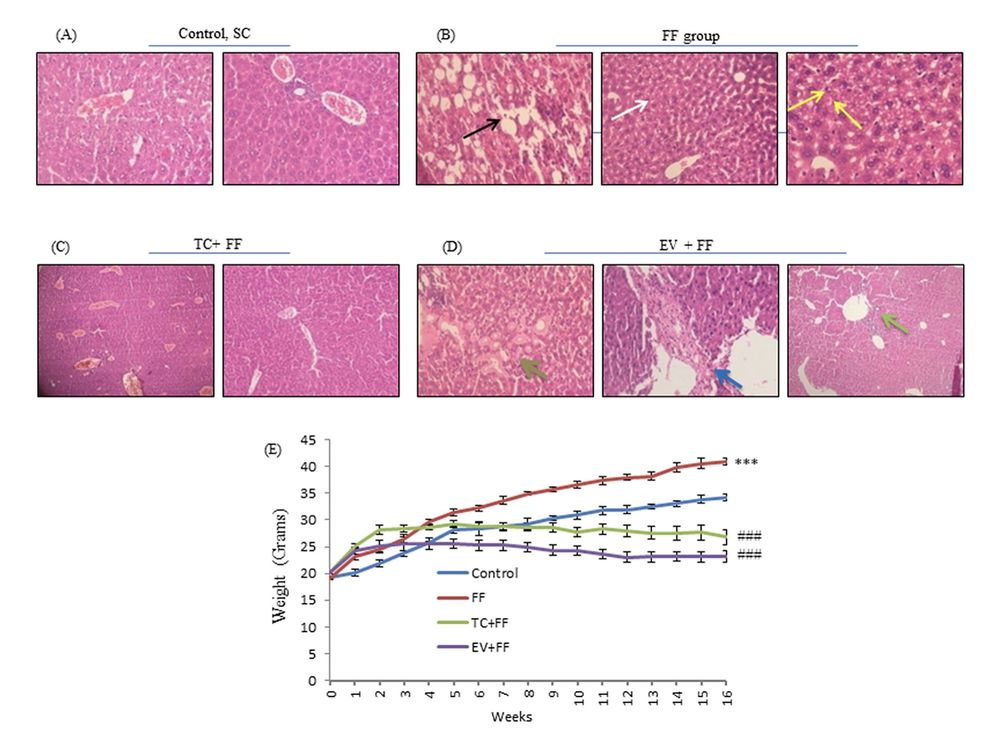 Fig. 2 FF diet induced, steatosis, histological modifications, lipid droplet accumulation in C57BL/6J livers.1
Representative photomicrographs (100X) of H&E-stained liver sections from mice at the conclusion of the study are shown. (A) Liver sections from mice on a Standard Chow diet exhibit normal lobular architecture with no signs of anomalies. (B) Liver sections from mice on the FF diet alone (FF group) display both micro and macrovesicular steatosis (indicated by black and white arrows) and activation of Kupffer cells (yellow arrow), suggesting the initiation of a fibrotic reaction without complete fibrosis. (C) Liver sections from the TC group, where mice were treated with 1 mg/kg TC thrice weekly for 120 days along with FF, show minimal to no steatosis, improved liver histology, normal lobular architecture, and normal parenchyma. (D) Liver sections from the EV-treated mice (1 mg/kg, thrice a week) along with FF show no signs of steatosis, but exhibit inflammation and fibrotic reactions, including wide portal tracks (dark green arrow), acute and chronic inflammations (light green arrow), and the presence of amyloids (blue arrow), suggesting a fibrotic reaction in the absence of significant lipid deposition. (E) The ogive graph illustrates the weight gain patterns for all four groups. The FF group shows significant weight gain compared to the Control group, while the TC and EV groups exhibit significant reductions in weight gain compared to the FF group. The FF diet induced substantial weight gain (red line), whereas the TC (green) and EV (violet) treatments prevented this weight gain, as compared to the FF group.
Reference
- Love, Sharma et al. "Long-term administration of tacrolimus and everolimus prevents high cholesterol-high fructose induced steatosis in C57BL/6J mice by inhibiting de-novo lipogenesis." Oncotarget vol. 8,69 113403-113417. 8 Feb. 2017, DOI:10.18632/oncotarget.15194. Distributed under an Open Access license CC BY 4.0, without modification.
For Research Use Only.