
Anti-TSHR Antibody induced Acute Kidney Injury Modeling & Pharmacodynamics Service
Creative Biolabs offers a wide range of comprehensive models for evaluating acute kidney injury drug efficacy. These models are tailored to simulate different causes of AKI, providing valuable insights into drug mechanisms and potential treatments.
Introduction
Acute Kidney Injury (AKI) is a rapid decline in kidney function that can occur within hours or days, leading to an imbalance in fluid, electrolytes, and waste products. It is a complex clinical syndrome characterized by a sudden loss of renal filtration capacity, which results in the accumulation of nitrogenous waste in the bloodstream (azotemia) and electrolyte disturbances. AKI can be classified into three primary categories based on its cause: prerenal (due to reduced blood flow to the kidneys), intrinsic (due to damage to kidney tissues), and postrenal (due to obstruction of urine flow). Common causes of AKI include sepsis, ischemia, nephrotoxins (such as certain drugs), and systemic diseases like autoimmune disorders. If not managed promptly, AKI can progress to chronic kidney disease (CKD) or end-stage renal failure, requiring dialysis or kidney transplantation. Early detection and effective therapeutic intervention are crucial to improving patient outcomes and preventing long-term renal damage.
Anti-TSHR Antibody-Induced Acute Kidney Injury Model
The Anti-TSHR Antibody-Induced Acute Kidney Injury Model involves the administration of anti-thyroid-stimulating hormone receptor (TSHR) antibodies, which induce renal injury by triggering immune-mediated processes, leading to kidney dysfunction. This model mimics certain aspects of autoimmune-induced AKI, such as inflammation and glomerular damage, commonly observed in diseases like Graves' disease. The method for creating this model includes injecting rodents with anti-TSHR antibodies, followed by observation of changes in renal function. The advantages of this model lie in its ability to replicate autoimmune mechanisms involved in kidney injury. However, a potential limitation is its specificity to autoimmune-related kidney injury, which may not completely represent all forms of AKI.
- Simulates: This model simulates immune-mediated kidney injury, mimicking the pathophysiology seen in autoimmune diseases.
- Evaluates Drugs: It is useful for evaluating drugs that target immune responses, anti-inflammatory agents, and therapies designed to modulate autoimmune responses.
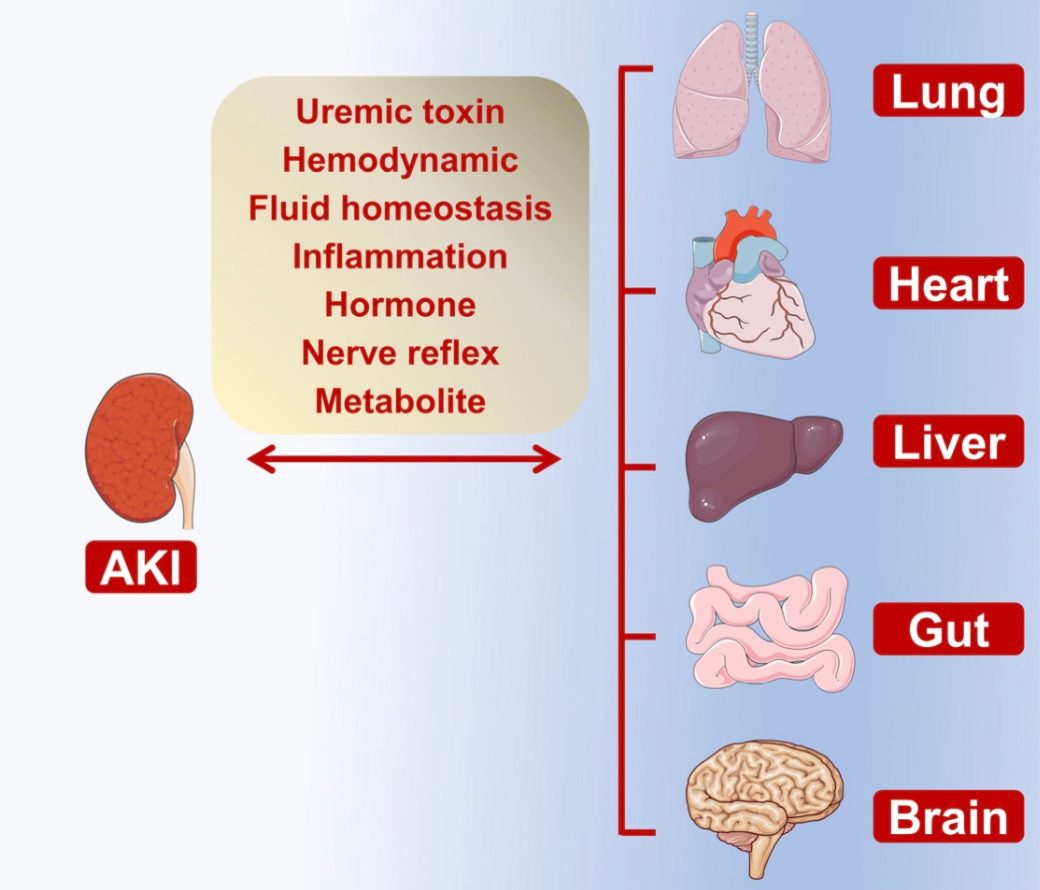 Fig. 1 Overview of organ crosstalk during AKI.1
Evaluation Platform
- Animals: Mouse, Rat.
-
Measurements
We offer a variety of measurements for evaluating drug efficacy in this acute kidney injury model, utilizing advanced technologies, including but not limited to:- General observations: body weight, mortality rate, renal function (blood urea nitrogen, creatinine levels).
- Histopathological examination: renal tissue staining (H&E, PAS) to assess glomerular damage and tubular necrosis.
- Immunohistochemistry: Detection of immune cell infiltration (e.g., T-cells, macrophages) in kidney tissues.
- Cytokine profiling (e.g., ELISA): Expression levels of inflammatory mediators such as TNF-α, IL-6, and IL-1β.
- Serum biomarkers: Evaluation of kidney injury markers like NGAL, KIM-1, and Cystatin C.
- Gene/protein expression profiling via RT-qPCR and Western blotting to monitor changes in renal injury markers and inflammatory genes.
Our scientific team can assist in designing experiments, selecting the appropriate models, and analyzing results to ensure the success of your research.
Related Services
In addition to the Anti-TSHR Antibody-Induced AKI Model, we also offer other models of acute kidney injury. Each model provides unique insights into specific types of kidney injury.
Our advantages
- Comprehensive Expertise: We specialize in providing a wide range of AKI models, ensuring robust and relevant research data.
- Customizable Solutions: Tailored models and services to meet your specific research goals.
- Cutting-Edge Technologies: We utilize state-of-the-art technologies to ensure accurate, reliable, and reproducible results.
- Accelerated Drug Evaluation: Our models facilitate faster drug discovery and development processes for kidney injury therapeutics.
- Experienced Scientific Support: Our team provides comprehensive scientific guidance, from experimental design to data interpretation.
Work with Us
- Summarize the project requirements and fill in the information collection form.
- Sign a CDA from both parties to further communicate information, such as targets.
- Select an animal model, discuss experimental design, and determine assay parameters.
- Project costing and project schedule forecasting.
- We provide a detailed project plan, including the required sample quantities, methods, and protocols.
- Both parties confirm the project details and start the project.
- Confirm the timeline of the project.
- We provide periodic results and information on the animal's condition.
- We will work together to make project adjustments as necessary.
- We provide a comprehensive project report promptly.
- We arrange transportation for the produced samples.
- We provide a discussion of the project results and help to arrange the next steps.
- Data storage and archiving.
FAQs
-
1. What is the purpose of the Anti-TSHR Antibody-Induced AKI Model?
This model helps simulate immune-mediated kidney injury, useful for evaluating treatments targeting autoimmune kidney diseases.
-
2. Can this model be used to test other autoimmune kidney diseases?
Yes, the model can be adapted to test therapies for various autoimmune-related kidney injuries beyond Graves' disease.
-
3. How long does it take to see results from this model?
Results can typically be observed within 7-14 days post-treatment, depending on the severity of the induced injury.
-
4. What are the potential limitations of this model?
While it effectively mimics autoimmune kidney injury, it may not fully replicate all forms of AKI, such as those induced by nephrotoxins or ischemia.
-
5. Can you customize the model for specific research needs?
Yes, our team can modify the model to suit particular experimental goals or disease characteristics.
Reference
- Li, Xiaolong et al. "Organ Crosstalk in Acute Kidney Injury: Evidence and Mechanisms." Journal of Clinical Medicine vol. 11,22 6637. 9 Nov. 2022. Distributed under Open Access license CC BY 4.0, without modification. https://doi.org/10.3390/jcm11226637
For Research Use Only.