
- Summarize the project requirements and fill in the information collection form.
- Sign a CDA from both parties to further communicate information, such as targets.
- Select an animal model, discuss experimental design, and determine assay parameters.
- Project costing and project schedule forecasting.
Cardiovascular Disease Modeling & Pharmacodynamics Services
Introduction of Cardiovascular Disease
Cardiovascular diseases represent a formidable global health challenge, standing as the leading cause of morbidity and mortality worldwide. These complex conditions, encompassing a spectrum from hypertension and atherosclerosis to heart failure and arrhythmias, arise from a myriad of factors, including genetic predispositions, lifestyle choices, and environmental influences. Despite medical advancements, significant treatment limitations persist, highlighting the urgent need for novel therapeutic strategies and deeper mechanistic understanding. Continuous, innovative research is essential to uncover pathways for more effective cardiovascular disease prevention, diagnosis, and intervention.
Available Cardiovascular Disease Models at Creative Biolabs
The development of effective treatments for cardiovascular diseases hinges on the availability of appropriate preclinical animal models. These models are indispensable tools for unraveling the intricate pathophysiology of cardiovascular diseases, identifying novel therapeutic targets, and rigorously evaluating the efficacy and safety of potential drug candidates before clinical trials. Among the diverse array of animal models, small rodents—specifically rats and mice—have emerged as the most useful and effective species due to their genetic tractability, physiological similarities to humans in key aspects, and practical advantages. At Creative Biolabs, we offer meticulously developed and validated models across multiple species to facilitate your cardiovascular disease research, providing a robust platform for groundbreaking discoveries.
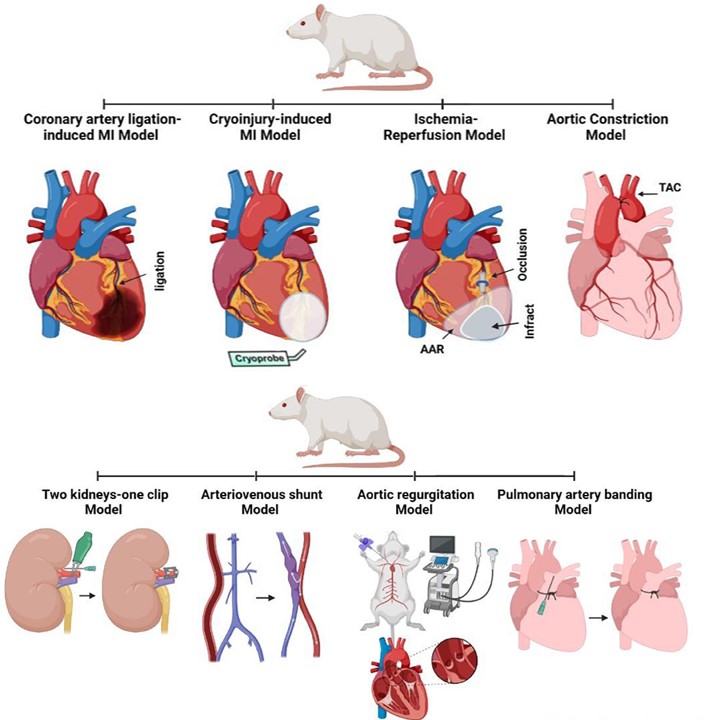 Fig.1 Schematic representation of some cardiovascular disease models.1
Our team provides the following cardiovascular disease models for comprehensive preclinical research and drug development:
Myocardial Infarction Models
Heart Failure Models
Atherosclerosis Models
Hypertension Models
Thrombosis Models
Peripheral vascular disease Models
Stroke Models
Atrial Fibrillation Models
Ventricular Tachycardia Models
Disseminated Intravascular Coagulation Model
Pericarditis Model
Myocarditis Model
Diabetic Complication Models
- Ischemia-Reperfusion Myocardial Infarction Model
- Permanent Ischemic Myocardial Infarction Model
- Isoproterenol-Induced Myocardial Infarction Model
- Acute Myocardial Ischemia (AMI)-Induced Left Heart Failure (HF) Model
- Pulmonary Artery (PA) Constriction-Induced Right Heart Failure (HF) Model
- Ascending Aortic Arch Constriction-Induced Post-Pressure Overload Heart Failure Model
- Abdominal Aortic Stenosis-Induced Left Heart Failure (HF) Model
- DOCA & Salt-Induced Left Heart Failure (HF) Model
- Salt-Induced Left Heart Failure (HF) Model in Dahl salt-sensitive rats
- Adriamycin-Induced Left Heart Failure (HF) Model
- Isoproterenol-Induced Chronic Heart Failure Model
- AngII-Induced Chronic Heart Failure Model
- ACF-Induced Anterior Pressure Overload Heart Failure Model
- High-Fat Diet-Induced Heart Failure Model
- High-Fat and High-Cholesterol Diet-Induced Heart Failure Model
- 5/6 Nephrectomy-Induced Heart Failure Model
- Pulmonary Hypertension-Induced Right Heart Failure Model
- Renal Artery Constriction-Induced Hypertensive Heart Failure Model
- Doxorubicin-Induced Cardiomyopathy Model
- Apolipoprotein E Deficient Mice (ApoE-/-) Model
- Low-density Lipoprotein Receptor-Deficient Mice (LDLR-/-) Model
- ApoE*3 Transgenic (E3L) Mice Model
- Fatty Zucker Rats Model
- Carotid Artery Endothelial Denudation Model
- High-fat-diet (HFD) & CHOL-Induced Aorta Atherosclerosis Model
- Blood Flow-Induced Arterial Intimal Thickening Model
- Spontaneously Hypertensive Rat (SHR) Model
- Salt-Induced Hypertension Model in Dahl salt-sensitive rats
- 5/6 Nephrectomy-Induced Hypertension Model
- Renal Artery Stenosis-Induced Hypertension Model
- Abdominal Aorta Constriction-Induced Hypertension Model
- DOCA-Salt-Induced Hypertension Model
- L-NAME-Induced Hypertension Model
- Monocrotaline-Induced Pulmonary Hypertension Model
- Hypoxia-Induced Pulmonary Hypertension Model
- Angiotensin-2 Infusion Induced Hypertension Model
- hRN/hANG Transgentic Mouse Hypertension Model
Our Capabilities
Our capabilities include building multi-species cardiovascular disease models and comprehensive evaluation platforms, using cutting-edge instruments and methods to provide clients with services at multiple levels from the molecular to the organ system level.
- Animals: Mouse, Rat, Hamster, Rabbit, Cat, Dog, Pig, NHP.
- Evaluation Platform
Creative Biolabs' state-of-the-art evaluation platform provides comprehensive insights into disease progression and therapeutic efficacy. We employ a diverse array of advanced techniques to ensure robust and translatable data for your cardiovascular research projects. Our capabilities span multiple analytical dimensions, from the molecular to the organ system level, utilizing cutting-edge instrumentation and methodologies.
Our test indicators and parameters include:
- Biochemical Analyses: Cardiac enzymes (e.g., troponin, CK-MB), lipid profiles, inflammatory markers, oxidative stress markers.
- Molecular Analyses: Gene expression (qPCR, RNA-seq), protein expression (Western blot, ELISA), signaling pathway activation.
- Cellular Analyses: Cell viability, proliferation, apoptosis, cellular hypertrophy, fibrosis markers.
- Histopathological Analyses: Infarct size, fibrosis quantification (Masson's trichrome, Sirius Red), cardiomyocyte size, vascular density.
- Behavioral Assessments: Exercise tolerance, locomotor activity, neurological deficit scoring (for stroke models).
-
Imaging Instruments and Tests:
--Echocardiography: Left ventricular ejection fraction (LVEF), fractional shortening (FS), chamber dimensions, wall thickness, diastolic function.
--Micro-MRI/CT: Cardiac morphology, volume, perfusion, vascular anatomy.
--Invasive Hemodynamics: Left ventricular end-diastolic pressure (LVEDP), dP/dt max/min, systemic blood pressure.
Related Cardiovascular Models
Inflammation & Immunological Disease Models
Metabolic/Liver Disease Models
Urological System Disease Models
Musculoskeletal Disease Models
Infectious Disease Animal Models
Ear Disorder Models
Reproductive System Disease Models
Skin Disease Mode
Our Advantages
- Diverse Animal Species and Models: We offer a wide variety of meticulously characterized animal species and disease models, ensuring the most appropriate platform for your specific research questions.
- Integrated In Vitro and In Vivo Evaluation: Our comprehensive "one-stop" platform seamlessly integrates both in vitro and in vivo studies, providing a holistic view of drug efficacy and mechanism of action.
- Expert Professional Team and Rigorous Management: Our highly skilled and experienced scientific team operates under a perfect management system, ensuring the highest standards of scientific rigor, data quality, and ethical conduct.
- Customized Study Design: We collaborate closely with clients to design tailored experimental protocols that precisely meet their unique research objectives, optimizing outcomes and resource utilization.
Work with Us
Inquiry Stage
Project Start
- We provide a detailed project plan, including the required sample quantities, methods and protocols.
- Both parties confirm the project details and start the project.
- Confirm the timeline of the project.
Project Progress
- We provide periodic results and information on the animal's condition.
- We will work together to make project adjustments as necessary.
Project Completion
- We provide a comprehensive project report promptly.
- We arrange transportation for the produced samples.
- We provide a discussion of the project results and help to arrange the next steps.
After-Sales Support
- Data storage and archiving.
Contact Us
Our strength and experience in preclinical cardiovascular disease research are unparalleled. Creative Biolabs is dedicated to providing the highest quality services and insights to support your drug discovery and development efforts. We invite you to contact us to explore how our expertise can significantly advance your next project.
FAQs
-
Q1: How do you ensure the translational relevance of cardiovascular disease models?
A: We meticulously select and characterize our animal models to ensure they accurately recapitulate key aspects of human cardiovascular diseases. Our rigorous validation processes, combined with advanced analytical techniques, help bridge the gap between preclinical findings and clinical applicability, enhancing the predictive power of your research.
-
Q2: Can you customize a specific animal model for a unique research question or novel therapeutic target?
A: Absolutely. Our team of experts specializes in developing and adapting models to meet specific research needs. Leveraging advanced genetic engineering techniques, we can create custom genetic models or modify existing ones to precisely target the pathways or phenotypes relevant to your unique study objectives.
-
Q3: How do you address the variability often observed in animal models, particularly in complex diseases like cardiovascular conditions?
A: We implement stringent quality control measures, including standardized protocols for disease induction, animal housing, and data collection. Our experienced team carefully monitors animal health and phenotype, and we utilize appropriate statistical methods with sufficient sample sizes to minimize variability and ensure the robustness and reproducibility of our research findings.
-
Q4: Do you offer support for the interpretation of complex preclinical data generated from these models?
A: Yes, our service extends beyond data generation. Our team of expert biologists and statisticians provides comprehensive support for data analysis and interpretation. We help you translate complex experimental results into actionable insights, guiding your decision-making process for subsequent drug development stages.
-
Q5: Are your animal models suitable for both early-stage target validation and later-stage efficacy testing?
A: Our diverse portfolio of animal models is designed to support the entire spectrum of preclinical drug development. We have models suitable for initial target validation studies, where specific gene functions are explored, as well as robust models for later-stage efficacy testing, evaluating the therapeutic potential of lead compounds in a disease setting.
Published Data
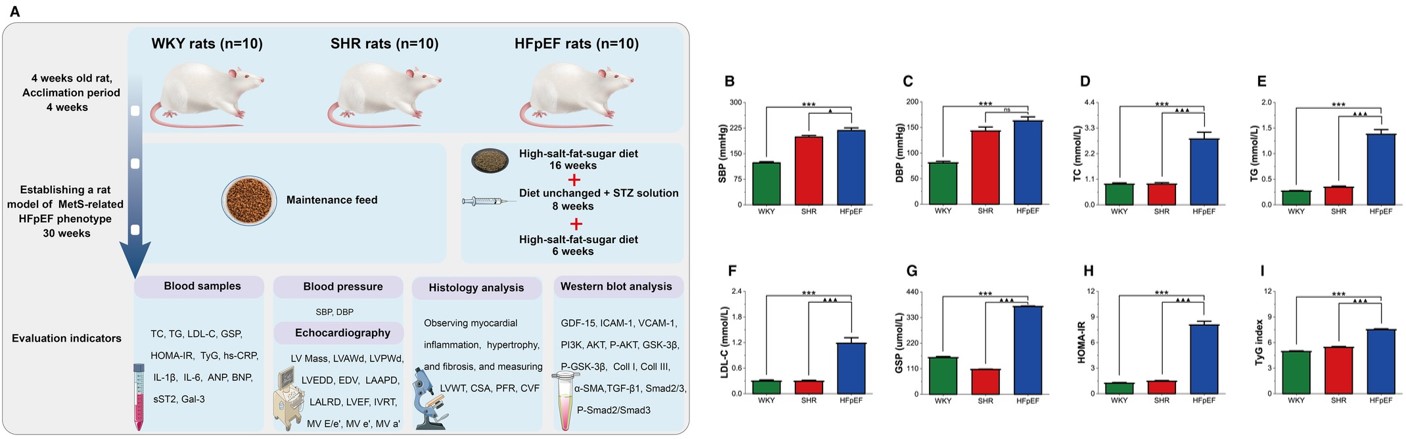 Fig.2 Experimental protocol and metabolic syndrome (MetS) in HFpEF rat.2
The article details a rat model of MetS-related heart failure with preserved ejection fraction (HFpEF). Developed using spontaneously hypertensive rats on a high-fat-salt-sugar diet with streptozotocin, this model accurately replicated human HFpEF features: hypertension, hyperglycemia, hyperlipidemia, insulin resistance, and cardiac abnormalities including left ventricular remodeling and diastolic impairment. The study also revealed molecular mechanisms, connecting inflammation to GDF-15, ICAM-1, and VCAM-1 overexpression; hypertrophy to activated AKT-regulated phosphorylated GSK-3β; and fibrosis to the TGF-β1/Smads pathway. This research highlights the model's utility in dissecting complex HFpEF pathogenesis.
References
- Farag, Ahmed et al. "A review on experimental surgical models and anesthetic protocols of heart failure in rats." Frontiers in veterinary science vol. 10 1103229. 27 Mar. 2023, doi:10.3389/fvets.2023.1103229. Distributed under Open Access license CC BY 4.0. The image was modified by extracting and using only part of the original image.
- Shi, Yujiao et al. "A rat model of metabolic syndrome-related heart failure with preserved ejection fraction phenotype: pathological alterations and possible molecular mechanisms." Frontiers in cardiovascular medicine vol. 10 1208370. 4 Jul. 2023, doi:10.3389/fcvm.2023.1208370. Distributed under Open Access license CC BY 4.0, without modification.
For Research Use Only.
Online Inquiry