
Metabolic Nephropathy Modeling & Pharmacodynamics Services
Creative Biolabs offers a range of well-established rodent models for studying metabolic nephropathy. These models replicate the pathophysiological features of human metabolic kidney diseases, making them ideal for evaluating the efficacy of potential drug candidates. These models can be customized for specific research needs, allowing for a comprehensive evaluation of drug efficacy, biomarker discovery, and therapeutic interventions targeting metabolic nephropathy.
Introduction
Metabolic nephropathy refers to kidney damage caused by metabolic disorders, including conditions such as diabetes, hypertension, and obesity. These disorders lead to the accumulation of metabolic by-products, which contribute to renal dysfunction, fibrosis, and ultimately, kidney failure. The most common forms of metabolic nephropathy include diabetic nephropathy, hypertensive nephropathy, and lipid-induced nephropathy. These conditions are characterized by alterations in kidney structure and function, including glomerular hyperfiltration, tubulointerstitial fibrosis, and the accumulation of extracellular matrix proteins.
Metabolic Nephropathy Models
Creative Biolabs offers a diverse range of well-established rodent models for metabolic nephropathy. These models are carefully designed to replicate key aspects of human metabolic nephropathy, enabling the evaluation of therapeutic candidates targeting kidney dysfunction and progression. Our models provide comprehensive assessments of kidney function, fibrosis, inflammation, and overall renal health, essential for the preclinical phase of drug development. Our experienced scientific team will work closely with you throughout the project, assisting in experimental design, model selection, and data interpretation to ensure accurate, high-quality, and reliable results. To explore more about the metabolic nephropathy rodent models available for preclinical research, please visit the links below:
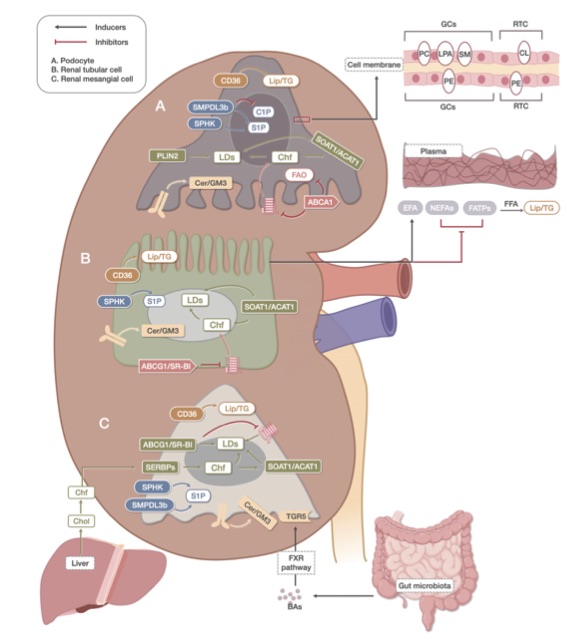 Fig. 1 Characteristics of lipid metabolism changes in DKD.1,3
| Model Name | Simulated Disease | Drugs Evaluated | Animal species |
| Obesity-related Glomerulopathy (ORG) Model | Obesity-induced kidney damage, glomerulosclerosis, and renal dysfunction | Anti-obesity drugs, anti-inflammatory agents, and nephroprotective drugs | Mouse |
| Diabetic Nephropathy Model | Kidney damage due to diabetes, including glomerulosclerosis, tubulointerstitial fibrosis | Anti-diabetic drugs, nephroprotective agents, fibrosis inhibitors | Mouse |
| HDF-CHOL & Salt Feed & 5/6 Nephrectomy-Induced Nephropathy Model | Hyperlipidemia, high salt diet, and kidney injury | Drugs targeting metabolic syndrome, anti-fibrotic agents, antihypertensive drugs, and renal protective drugs | Mouse |
Evaluation Platform
- Animals: Mouse, Rat, NHPs
-
Measurements
We offer a range of advanced measurements to evaluate drug efficacy in rodent models of metabolic nephropathy, using state-of-the-art technologies, including but not limited to:- General Observations: Monitoring body weight, urine volume, proteinuria levels, mortality rate, and overall health status of the animals.
- Histopathology and Immunohistochemistry: Examination of kidney tissues for glomerular hypertrophy, mesangial expansion, and fibrosis. Immunohistochemical analysis for immune cell infiltration (e.g., macrophages, T-cells) and fibrosis markers (e.g., collagen, fibronectin).
- Biomarkers: Serum analysis for kidney function markers such as creatinine, BUN (Blood Urea Nitrogen), and albuminuria. Biomarkers for inflammation (e.g., TNF-α, IL-6, IL-1β) and fibrosis (e.g., TGF-β).
- Gene and Protein Expression Profiling: Quantification of kidney injury and fibrosis-related gene expression through RT-qPCR and Western blot analysis.
- Renal Function Tests: Measurement of glomerular filtration rate (GFR) and renal blood flow using various imaging techniques or clearance assays.
- Urinary Analysis: Monitoring protein levels, glucose, and creatinine in urine to assess kidney damage and function.
Our scientific team provides comprehensive support in experimental design, model selection, and data interpretation, ensuring that the results are reliable and relevant for your research.
Related Services
In addition to our metabolic nephropathy models, we provide a diverse selection of rodent models for various other renal diseases. These models enable researchers to assess a broad spectrum of therapeutic approaches, allowing for comprehensive evaluation of kidney dysfunction, injury, and disease progression across different conditions. Here's an overview of these models:
- Autoimmune Nephropathy Models
- Acute Kidney Injury (AKI) Models
- Chronic Kidney Disease (CKD) Models
- Hyperuricemia Models
- Kidney Transplantation Models
- Cystitis Models
Our advantages
- Established Expertise: We offer a comprehensive selection of well-characterized animal models tailored for metabolic nephropathy research, with a track record of delivering high-quality results.
- Customized Solutions: Our team works closely with you to tailor experimental design and model selection, ensuring that the models fit the specific needs of your research.
- State-of-the-Art Technologies: We utilize the latest technologies in genomics, proteomics, imaging, and histology to provide detailed and accurate assessments of drug efficacy.
- Scientific Support: Our team of experienced scientists provides full support throughout the project, from planning and implementation to data analysis and interpretation.
- Flexibility and Reliability: We offer fast turnaround times and flexible options for model testing, ensuring that you receive reliable and timely results to advance your research.
Work with Us
- Summarize the project requirements and fill in the information collection form.
- Sign a CDA from both parties to further communicate information, such as targets.
- Select an animal model, discuss experimental design, and determine assay parameters.
- Project costing and project schedule forecasting.
- We provide a detailed project plan, including the required sample quantities, methods, and protocols.
- Both parties confirm the project details and start the project.
- Confirm the timeline of the project.
- We provide periodic results and information on the animal's condition.
- We will work together to make project adjustments as necessary.
- We provide a comprehensive project report promptly.
- We arrange transportation for the produced samples.
- We provide a discussion of the project results and help to arrange the next steps.
- Data storage and archiving.
FAQs
-
1. What models do you offer for metabolic nephropathy?
We offer models for obesity-related glomerulopathy, diabetic nephropathy, and HDF-CHOL+Salt Feed+5/6 nephrectomy-induced nephropathy. These models simulate key aspects of metabolic nephropathy, including obesity-related kidney damage, diabetes-induced glomerulosclerosis, and combined metabolic syndrome with renal injury.
-
2. How do your models evaluate drug efficacy?
Our models allow for the assessment of renal function, inflammation, fibrosis, and kidney damage. Measurements include general health status, histopathological analysis, biomarker levels, gene/protein expression, and urine/serum analysis to evaluate therapeutic efficacy.
-
3. Can you assist with experimental design and data analysis?
Yes, our team provides comprehensive support from experimental design to data interpretation. We work closely with you to ensure that the models and assays are tailored to your research goals.
-
4. Are your models validated for preclinical research?
Yes, all of our models are well-established, validated, and widely used in the scientific community. They are designed to closely mimic human metabolic nephropathy and provide reliable preclinical data.
-
5. How long does it take to receive results?
The timeline depends on the complexity of the study and the specific tests requested. We aim to provide reliable results in a timely manner, typically within a few weeks to months, depending on the project scope.
Published Data
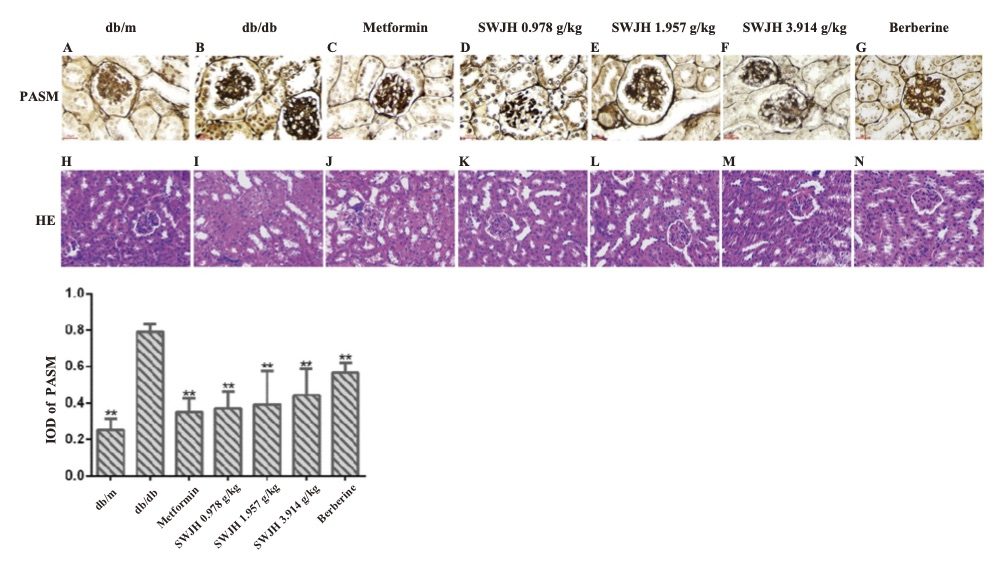 Fig. 2 Effect of SWJH on renal histopathology and ultrastructural pathology.2,3
The objective of the study was to investigate the protective effects and molecular mechanisms of SWJH treatment on diabetic renal injury in db/db mice. Histological examination using H&E staining revealed significant renal pathology in the db/db mice group, including edema in renal tubule epithelial cells, renal capsule stenosis, epithelial cell shedding, and fatty degeneration, when compared to the db/m mice group. Treatment with SWJH and berberine significantly ameliorated these histopathological changes. Additionally, PASM staining demonstrated a notable increase in the mean Integrated Optical Density (IOD) in the db/db mice group, indicating an increase in glomerular basement membrane (GBM) thickness compared to the db/m mice group. Treatment with SWJH significantly reduced GBM thickness in the db/db mice, suggesting its potential therapeutic effect in alleviating diabetic renal injury.
References
- Han, Yi-Zhen et al. "Lipid metabolism disorder in diabetic kidney disease." Frontiers in Endocrinology vol. 15 1336402. 29 Apr. 2024. https://doi.org/10.3389/fendo.2024.1336402
- Lai, Xianrong et al. "Amelioration of diabetic nephropathy in db/db mice treated with tibetan medicine formula Siwei Jianghuang Decoction Powder extract." Scientific Reports vol. 8,1 16707. 12 Nov. 2018. https://doi.org/10.1038/s41598-018-35148-2
- Distributed under Open Access license CC BY 4.0, without modification.
For Research Use Only.