
DOCA-Salt induced Hypertension Modeling & Pharmacodynamics Service
Introduction
Hypertension, a chronic elevation in blood pressure, represents a significant global health challenge, contributing to approximately 40% of cardiovascular mortalities. Its complex etiology, involving genetic, dietary, and environmental factors, necessitates sophisticated preclinical research models for effective therapeutic development.
Creative Biolabs is dedicated to accelerating drug discovery by providing a diverse array of well-established and meticulously characterized animal models, enabling comprehensive evaluation of novel antihypertensive compounds and a deeper understanding of disease mechanisms.
DOCA-Salt-Induced Hypertension Model
The deoxycorticosterone acetate (DOCA)-salt model is a widely recognized and highly reproducible experimental system for inducing chronic, low-renin, mineralocorticoid-dependent hypertension in rodents. This model serves as an invaluable tool for investigating the complex interplay of neurogenic, neurohormonal, and inflammatory mechanisms in hypertension pathogenesis. It is particularly effective for evaluating the efficacy of novel compounds targeting volume-dependent hypertension, sympathetic overactivity, and associated end-organ damage, closely mirroring pathological changes observed in human hypertensive patients.
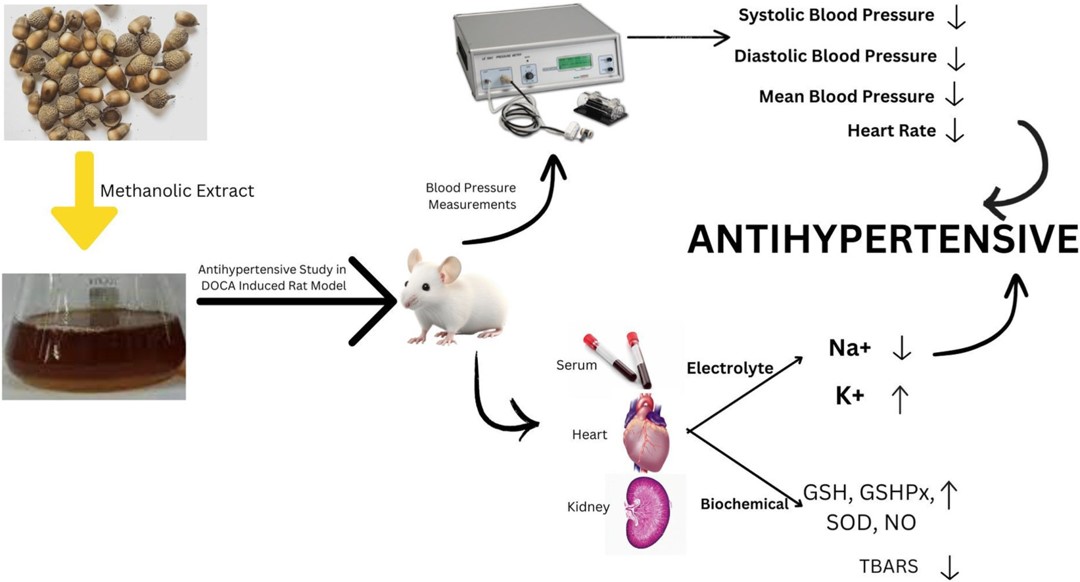 Fig.1 Anti-hypertensive study on DOCA-salt induced hypertensive rats.1,3
Model Construction Steps
The induction of DOCA-salt hypertension involves a synergistic combination of DOCA administration, unilateral nephrectomy, and a high-salt dietary regimen. This multi-pronged approach ensures the progressive and sustained development of hypertension.
01DOCA Administration
Animals (typically rats) receive chronic administration of DOCA, a synthetic mineralocorticoid, via subcutaneous injection or pellet implantation. This induces sodium and water retention, leading to hypervolemia.
02Unilateral Nephrectomy
One kidney is surgically removed, reducing the animal's capacity for sodium and water excretion. This step significantly enhances the susceptibility to hypertension and accelerates its onset.
03High-Salt Diet
Animals are provided with drinking water containing a high concentration of sodium chloride (typically 0.6-1% NaCl). This dietary intervention further exacerbates sodium retention and volume expansion, driving the development of severe hypertension.
Strengths and Limitations
Strengths:
- High Reproducibility: The model's standardized induction protocol ensures consistent and reliable hypertensive outcomes.
- Translational Relevance: It faithfully mimics low-renin hypertension, a common form observed in human populations, and recapitulates key features like neurogenic drive, inflammation, oxidative stress, and cardiovascular/renal remodeling.
- Mechanistic Insights: Provides an excellent platform for dissecting the roles of the sympathetic nervous system, brain renin-angiotensin system, and immune components in hypertension.
- Cost-Effective: Compared to some genetic models, it offers a more accessible and economical approach for preclinical studies.
Limitations:
- Not Universal: The model is specific to mineralocorticoid-dependent, low-renin hypertension and may not be suitable for studying all forms of the disease, such as genetically inherited or high-renin hypertension.
- Surgical Intervention: Unilateral nephrectomy is an invasive procedure requiring careful surgical expertise and animal welfare considerations.
- Potential for Variability: Strict adherence to protocol is essential to minimize variability in hypertension development and severity among animals.
Evaluation Platform
Creative Biolabs' state-of-the-art evaluation platform integrates comprehensive biochemical, molecular, cellular, histopathological, behavioral, and advanced imaging instruments. We offer a full suite of analytical capabilities to assess disease progression and therapeutic efficacy, providing precise and reliable data.
Key Test Indicators:
- Cardiovascular: Telemetric blood pressure monitoring (continuous, conscious), echocardiography (cardiac function, hypertrophy, fibrosis), ECG (conduction abnormalities), vascular reactivity studies, peripheral resistance.
- Renal: Blood urea nitrogen (BUN), creatinine, proteinuria, kidney weight, histopathology (glomerulosclerosis, tubulointerstitial fibrosis).
- Biomarkers: Inflammatory cytokines (e.g., IFN-γ, IL-17, TNF-α), oxidative stress markers (e.g., superoxide, NOX1 levels), neurohormonal peptides (e.g., Angiotensin II, vasopressin), fibrosis markers.
- Histopathology: Comprehensive analysis of heart, kidney, and vascular tissues for hypertrophy, fibrosis, inflammation, and structural remodeling.
Applications
- Simulated Diseases: Effectively models mineralocorticoid-dependent hypertension, resistant hypertension, and associated end-organ damage, including hypertensive cardiomyopathy, nephropathy, and vascular disease.
- Drug Evaluation: Ideal for screening and validating novel antihypertensive agents (e.g., mineralocorticoid receptor antagonists, ACE inhibitors, ARBs, diuretics), as well as compounds targeting inflammation, oxidative stress, and fibrosis.
- Therapeutic Strategies: Utilized for investigating the efficacy of monotherapy, combination therapies, and non-pharmacological interventions aimed at preventing or reversing hypertension and its complications.
- Pathophysiological Research: Enables in-depth studies into the molecular and cellular mechanisms underlying neurogenic hypertension, sympathetic overactivity, renin-angiotensin system dysregulation, and immune system involvement.
Related Hypertension Models
Our Advantages
- Unparalleled Expertise: Our team comprises highly experienced biologists and pharmacologists specializing in cardiovascular disease models.
- Standardized Protocols: We employ rigorously optimized and validated protocols, guaranteeing high reproducibility and consistent data.
- Comprehensive Phenotyping: Advanced analytical capabilities, including telemetric BP and echocardiography, provide in-depth insights.
- Customizable Study Designs: Flexible study designs are tailored precisely to meet your unique research objectives.
- State-of-the-Art Facilities: Our GLP-compliant laboratories are equipped with cutting-edge instrumentation for superior data quality.
- Dedicated Project Management: A dedicated manager ensures seamless communication and timely, transparent reporting throughout your project.
Work with Us
- Summarize the project requirements and fill in the information collection form.
- Sign a CDA from both parties to further communicate information, such as targets.
- Select an animal model, discuss experimental design, and determine assay parameters.
- Project costing and project schedule forecasting.
- We provide a detailed project plan, including the required sample quantities, methods, and protocols.
- Both parties confirm the project details and start the project.
- Confirm the timeline of the project.
- We provide periodic results and information on the animal's condition.
- We will work together to make project adjustments as necessary.
- We provide a comprehensive project report promptly.
- We arrange transportation for the produced samples.
- We provide a discussion of the project results and help to arrange the next steps.
- Data storage and archiving.
Contact Us
Creative Biolabs stands as your premier partner in hypertension research, offering unparalleled expertise and comprehensive services utilizing the DOCA-salt model. We are committed to supporting your journey toward groundbreaking therapeutic discoveries. Contact us today to explore how our services can accelerate your research.
FAQs
-
Q1: How is blood pressure measured in the DOCA-salt model, and what are the advantages of your method?
A: We prioritize accurate and stress-free blood pressure measurements using telemetric monitoring. This method involves implanting a small transmitter that continuously records blood pressure in conscious, freely moving animals, avoiding the stress and variability associated with traditional tail-cuff measurements, thus providing highly reliable and physiologically relevant data.
-
Q2: Can you customize the DOCA-salt model to investigate specific aspects of hypertension, such as neurogenic or inflammatory components?
A: Absolutely. Our team of experts can customize the DOCA-salt model to focus on specific pathophysiological pathways. This includes integrating specialized readouts for sympathetic nerve activity, analyzing specific inflammatory cytokines or immune cell infiltration, and assessing oxidative stress markers, enabling targeted mechanistic investigations tailored to your research questions.
-
Q3: How does the DOCA-salt model differ from other hypertension models, such as angiotensin II-induced hypertension?
A: The DOCA-salt model primarily induces a low-renin, volume-dependent form of hypertension, often associated with mineralocorticoid excess and sympathetic overactivity. In contrast, angiotensin II-induced hypertension is a high-renin model. Understanding these distinctions is crucial for selecting the most appropriate model that aligns with the specific mechanisms of the disease or drug target you are investigating.
-
Q4: What measures do you take to ensure the reproducibility and consistency of the DOCA-salt model?
A: We adhere to rigorously standardized protocols for DOCA administration, surgical procedures, and dietary regimens. Our experienced technicians undergo continuous training, and we implement strict quality control measures at every stage of the study, from animal husbandry to data collection and analysis, to ensure high reproducibility and minimize experimental variability.
-
Q5: Can I request specific end-organ damage assessments beyond standard cardiac and renal evaluations?
A: Yes, our comprehensive phenotyping capabilities extend beyond standard assessments. We can perform detailed histopathological and molecular analyses of various target organs, including the vasculature, brain, and other tissues, to evaluate specific aspects of end-organ damage or protection relevant to your compound's mechanism of action.
-
Q6: Do you offer pre-study consultation to help design the most effective DOCA-salt study?
A: We strongly encourage pre-study consultations. Our scientific team will work closely with you to understand your research objectives, discuss the most appropriate study design, select relevant endpoints, and optimize the experimental parameters for the DOCA-salt model. This collaborative approach ensures the study is maximally effective and efficient.
Published Data
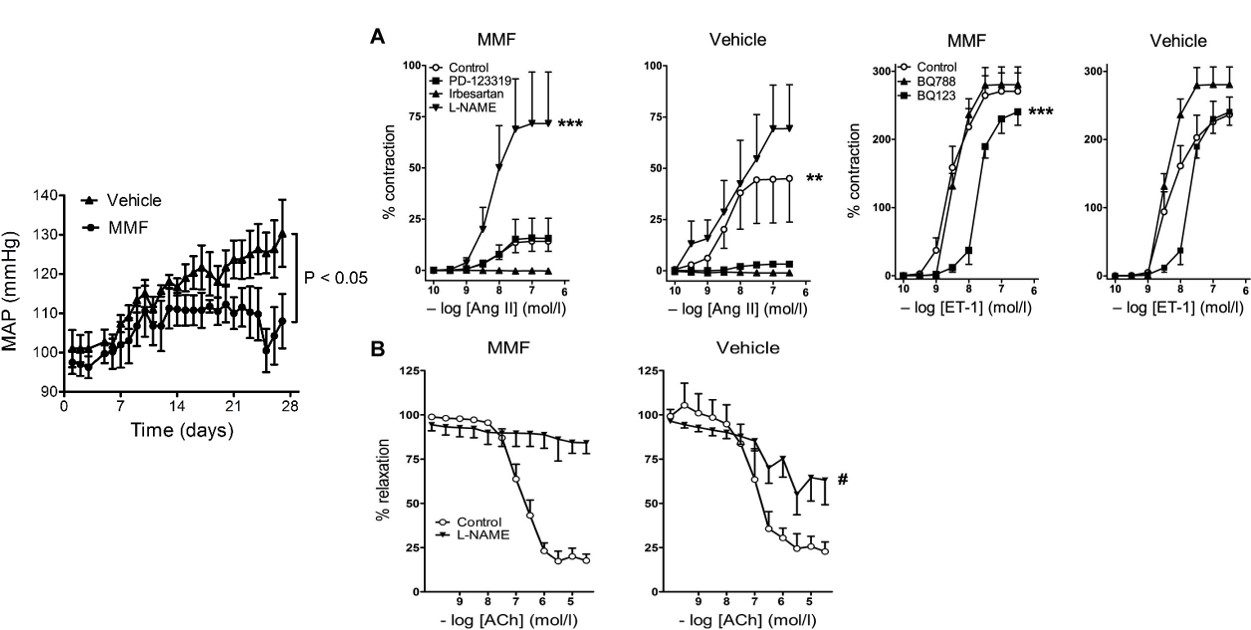 Fig.2 Blood pressure response and vascular responses to DOCA-salt and co-treatment with MMF or vehicle.2,3
A typical application of the DOCA-salt model involves evaluating the efficacy of novel therapeutic compounds. This study investigated the effects of mycophenolate mofetil (MMF) on DOCA-salt-induced hypertension. The project demonstrated that co-treatment with MMF significantly attenuated the rise in blood pressure, as evidenced by a substantial reduction in telemetric mean arterial pressure after four weeks of treatment. This research highlighted MMF's potential to prevent hypertension in this model, offering valuable insights into its mechanisms of action on vascular tone and inflammation.
References
- Singla, Shivali, et al. "Evaluation of anti-hypertensive activity of Quercus leucotrichophora A. camus methanolic extract on DOCA-salt induced hypertensive rats." Phytomedicine Plus 4.4 (2024): 100648. https://doi.org/10.1016/j.phyplu.2024.100648
- Moes, Arthur D et al. "Mycophenolate Mofetil Attenuates DOCA-Salt Hypertension: Effects on Vascular Tone." Frontiers in physiology vol. 9 578. 18 May. 2018. https://doi.org/10.3389/fphys.2018.00578
- Distributed under Open Access license CC BY 4.0, without modification.
For Research Use Only.