
High-Fat Diet (HFD) induced Sarcopenia Modeling & Pharmacodynamics Service
Creative Biolabs provides a range of advanced sarcopenia models that help evaluate the efficacy of potential drug candidates. These models allow for detailed studies of muscle degradation mechanisms and enable preclinical testing of interventions designed to preserve or restore muscle mass and strength.
Introduction
Sarcopenia is a progressive age-related condition characterized by the loss of skeletal muscle mass and strength. It primarily affects the elderly population but can also occur in individuals with chronic diseases such as diabetes, cardiovascular disorders, and cancer. The pathophysiology of sarcopenia involves multiple factors, including muscle fiber atrophy, increased inflammation, and altered protein metabolism. These changes lead to diminished muscle function, reduced mobility, and increased risk of falls, frailty, and disability. Sarcopenia is often accompanied by metabolic disturbances such as insulin resistance and adiposity, further complicating its clinical management. The condition significantly impacts quality of life and poses substantial healthcare challenges due to its association with functional decline and dependency. Understanding its mechanisms and identifying effective treatments requires well-established animal models that accurately replicate the key features of human sarcopenia.
Disease Models and Applications
The High-Fat Diet induced Sarcopenia Model is widely used to investigate obesity-related muscle wasting and its underlying mechanisms. This model is established by feeding rodents a high-fat diet (HFD) for an extended period to induce obesity, metabolic disorders, and skeletal muscle degeneration. Over time, the mice develop characteristics similar to those seen in sarcopenic patients, such as loss of muscle mass, decreased grip strength, and increased fat deposition. Histological examinations show muscle fiber atrophy, lipid infiltration, and fibrosis. The main advantage of this model is its ability to mimic human metabolic syndrome, but its drawback includes the variation in response based on genetic differences between animal strains. Despite this, it remains a powerful tool for studying obesity induced sarcopenia and evaluating interventions aimed at mitigating muscle loss.
- Simulates: This model simulates obesity-related muscle atrophy and metabolic disorders, including insulin resistance and adiposity. This model closely replicates the pathophysiology of sarcopenia seen in obese individuals and provides a platform to explore the effects of various metabolic changes on muscle function and mass.
- Evaluates Drugs: This model is used to evaluate drugs that target muscle preservation, anti-inflammatory agents, and metabolic interventions. It is particularly valuable in screening compounds for their potential to prevent or reverse sarcopenia and obesity-related muscle loss, as well as improving muscle strength and metabolic health.
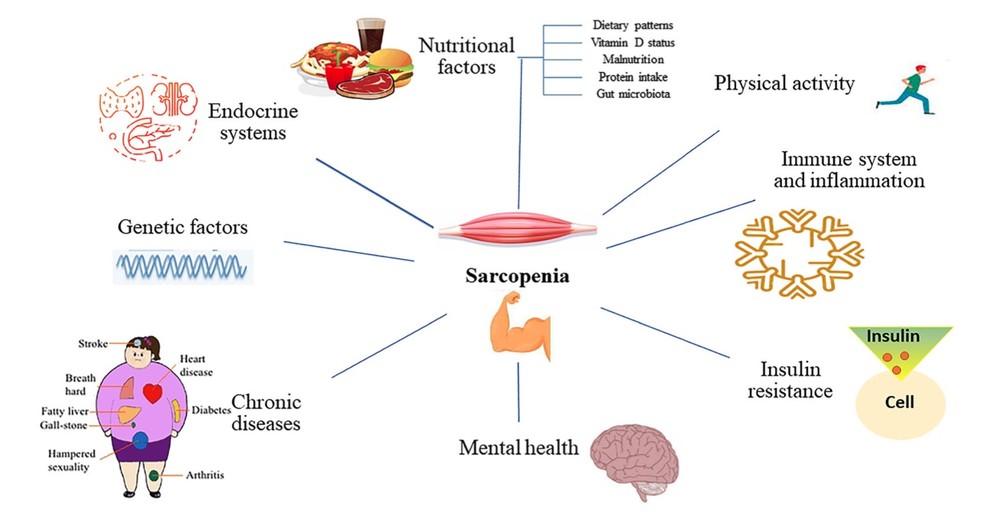 Fig. 1 Risk factors associated with sarcopenia.1
Measurements
To assess the efficacy of treatments in this model, a variety of measurements are employed:
- General observations: Body weight, muscle mass, activity levels, and overall health are tracked throughout the study.
- Grip strength: Measurement of forelimb strength as an indicator of muscle function.
- Histological examination: Muscle tissue analysis using H&E and Masson's trichrome staining to detect muscle fiber size, fibrosis, and lipid infiltration.
- Muscle fiber cross-sectional area (CSA): Quantification of muscle fiber size using imaging analysis.
- Cytokine profiling (e.g., ELISA): Measurement of inflammatory markers such as TNF-α, IL-6, and IL-1β to understand the inflammatory aspect of muscle degradation.
- Serum biomarkers: Analysis of metabolic parameters such as glucose, triglycerides, cholesterol, and insulin resistance markers.
- Molecular profiling: RT-qPCR and Western blot analysis for gene and protein expression, focusing on key markers of muscle health, such as myosin heavy chain and atrophy-related proteins.
Related Services
Advantages
- Expertise in Disease Modeling: Our team has extensive experience in developing and refining sarcopenia models, ensuring high-quality, reproducible results.
- Comprehensive Drug Evaluation: We provide a full suite of services from drug screening to mechanistic studies, helping you assess the efficacy of your compounds at every stage.
- Customized Solutions: We offer tailored experimental designs to meet your specific research needs, ensuring optimal outcomes for your studies.
- Cutting-Edge Technologies: Access to advanced measurement tools, including molecular analysis, histological imaging, and metabolic profiling.
- Strong Scientific Support: Our scientific team provides continuous support, from model development to data interpretation, ensuring that you get the most accurate and actionable results.
Work with Us
- Summarize the project requirements and fill in the information collection form.
- Sign a CDA from both parties to further communicate information, such as targets.
- Select an animal model, discuss experimental design, and determine assay parameters.
- Project costing and project schedule forecasting.
- We provide a detailed project plan, including the required sample quantities, methods, and protocols.
- Both parties confirm the project details and start the project.
- Confirm the timeline of the project.
- We provide periodic results and information on the animal's condition.
- We will work together to make project adjustments as necessary.
- We provide a comprehensive project report promptly.
- We arrange transportation for the produced samples.
- We provide a discussion of the project results and help to arrange the next steps.
- Data storage and archiving.
FAQs
-
1. What is the best model to use for studying sarcopenia?
We offer several models depending on the research focus, including High-Fat Diet induced Sarcopenia and others induced by genetic modifications or drug treatments.
-
2. How long does it take to establish a High-Fat Diet induced Sarcopenia model?
It typically takes 8-12 weeks to establish this model, depending on the strain of mice used and the specifics of the diet.
-
3. What type of drugs can be tested in this model?
This model is suitable for testing a variety of drugs, including those targeting muscle preservation, metabolic regulation, and anti-inflammatory treatments.
-
4. Can I request customized measurements for my study?
Yes, we can tailor the experimental protocol to include specific measurements relevant to your research goals.
-
5. Are there any limitations to the High-Fat Diet induced Sarcopenia model?
While this model closely mimics obesity-related sarcopenia, the variability in response among animal strains may require consideration when interpreting results.
Published Data
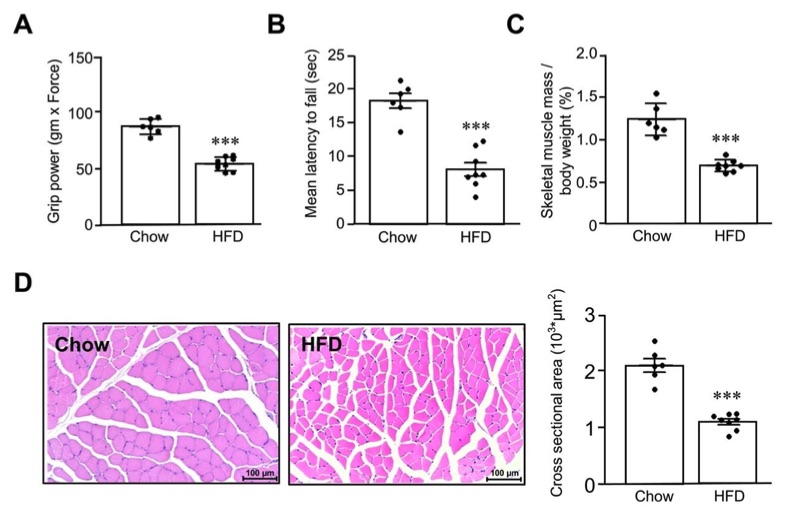 Fig. 2 High-fat-diet induced sarcopenia mouse model.2
To investigate the factors contributing to the development of sarcopenia, an HFD induced sarcopenia mouse model was established as described in previous studies. After 24 weeks of HFD feeding, mice exhibited a significant increase in body weight compared to the chow-fed control group. As shown in Figure 2, the HFD-fed mice demonstrated impaired motor function, as evidenced by significantly reduced performance in the grip strength (Figure 2A) and rotarod tests (Figure 2B). Since gastrocnemius muscle thickness is commonly associated with skeletal muscle mass, the changes in gastrocnemius muscle were further examined. The skeletal muscle mass index of the HFD-fed mice was notably lower compared to the chow group (Figure 2C), and the cross-sectional area of the gastrocnemius muscle fibers was also significantly decreased (Figure 2D).
References
- Bagherniya, Mohammad et al. "The beneficial therapeutic effects of plant-derived natural products for the treatment of sarcopenia." Journal of cachexia, sarcopenia and muscle vol. 13,6 (2022): 2772-2790. DOI:10.1002/jcsm.13057. Distributed under an Open Access license CC BY 4.0, without modification.
- Liang, Yu-Cheng et al. "Calsarcin-2 May Play a Compensatory Role in the Development of Obese Sarcopenia." Biomedicines vol. 11,10 2708. 5 Oct. 2023, DOI:10.3390/biomedicines11102708. Distributed under an Open Access license CC BY 4.0, without modification.
For Research Use Only.