
Alcohol induced Acute Liver Injury Modeling & Pharmacodynamics Service
Creative Biolabs offers a range of well-established models for evaluating the pharmacological effects of drug candidates targeting Acute Liver Injury. These models are optimized for high reproducibility and reliability, ensuring that researchers can assess the therapeutic potential of their compounds under controlled conditions. With our expertise in model development and data analysis, we provide tailored solutions for your research needs.
Introduction
Acute Liver Injury (ALI) is a serious condition characterized by rapid liver dysfunction, typically resulting from toxins, drugs, infections, or ischemia. It can lead to irreversible liver damage, including hepatocyte death, inflammation, and fibrosis, which can progress to liver failure if not properly managed. The primary causes of ALI include drug induced liver injury (DILI), viral hepatitis, alcohol abuse, and autoimmune disorders. Clinical symptoms often include jaundice, abdominal pain, elevated liver enzymes, and coagulopathy. Timely intervention is critical to prevent further liver damage and complications such as multi-organ failure. Animal models of ALI, particularly rodent models, are essential for understanding the pathophysiology of the disease and testing potential treatments. These models help to simulate the acute inflammatory response, oxidative stress, and hepatocyte injury that occur in ALI. The models are widely used in preclinical research to evaluate the efficacy of novel therapeutic agents aimed at mitigating liver damage or promoting liver regeneration.
Disease Models and Applications
The Alcohol induced Acute Liver Injury (AI-ALI) model is one of the most widely used experimental tools for studying liver damage induced by excessive alcohol consumption. The model is typically created by administering a high dose of ethanol to rodents, followed by a period of observation. This induces a series of pathological changes similar to those observed in human alcohol-related liver disease, such as hepatocellular apoptosis, inflammation, and oxidative stress. The AI-ALI model is particularly useful in assessing the impact of alcohol on liver function and evaluating hepatoprotective therapies. While it closely mimics the acute injury seen in human liver disease, the model can also present challenges such as variable response in different animal strains and the need for careful dose calibration to avoid chronic liver damage.
- Simulates: The Alcohol induced Acute Liver Injury Model simulates the liver damage seen in human alcohol abuse, including hepatocyte death, inflammation, and oxidative stress.
- Evaluates Drugs: This model is used to evaluate drugs that aim to protect the liver from alcohol induced damage. It can be used to test the efficacy of anti-inflammatory agents, antioxidants, liver-protective compounds, and drugs that modulate alcohol metabolism.
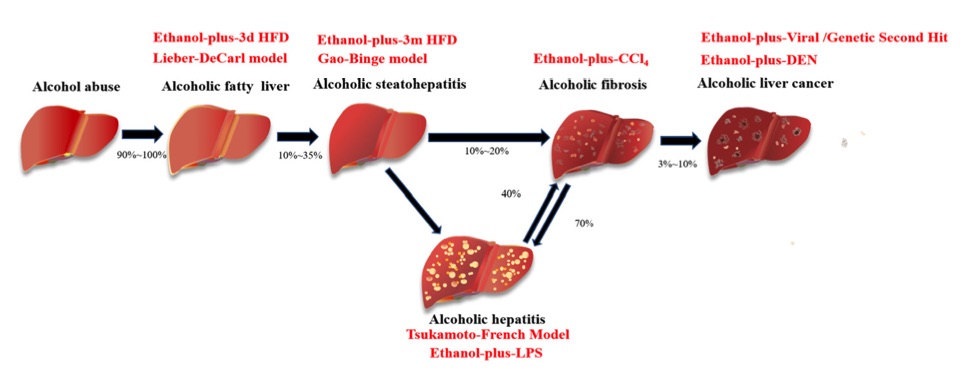 Fig. 1 Commonly used experimental models for various stages of ALD.1
Measurements
To assess the efficacy of drugs in the Alcohol induced Acute Liver Injury Model, a variety of advanced measurements are employed, including:
- General observations: body weight, mortality rate, liver appearance, and general health of the animal.
- Histological analysis: Hematoxylin and eosin (H&E) staining to observe liver tissue damage, hepatocyte apoptosis, and inflammatory cell infiltration.
- Cytokine profiling (e.g., ELISA): Levels of pro-inflammatory cytokines such as TNF-α, IL-6, and IL-1β.
- Liver enzyme assays: Serum levels of liver enzymes (AST, ALT) as biomarkers of liver injury.
- Oxidative stress markers: Malondialdehyde (MDA) and glutathione (GSH) levels to measure oxidative damage.
- Gene/protein expression: RT-qPCR and Western blotting to evaluate changes in the expression of key liver enzymes and stress-related genes.
In addition to these standard assessments, our team is available to customize experimental protocols based on your specific research needs.
Related Services
In addition to the Alcohol induced Acute Liver Injury Model, we offer several other methods to induce Acute Liver Injury. These models include drug induced liver injury, diet induced models, and toxin-based models, which can be tailored to specific research purposes. We ensure that each model is optimized for reliable and reproducible results, providing a robust foundation for drug discovery and mechanistic studies.
- CCL4 induced Acute Liver Injury Model
- Concanavalin A (Con A) induced Acute Liver Injury Model
- Polyinosinic: Polycytidylic Acid induced Acute Liver Injury Model
- Acetaminophen (APAP) induced Acute Liver Injury Model
- Ischemia-Reperfusion induced Liver Injury Model
- Alpha-Naphthylisothiocyanate (ANIT) induced Acute Liver Injury Model
- DDC (3,5-Diethoxycarbonyl-1,4-Dihydrocollidine) induced Acute Liver Injury Model
Advantages
- Customized models: We offer a wide range of flexible and customizable animal models, allowing for specific research needs.
- Expertise: Our team consists of experts in drug development and animal model optimization to guide every phase of your research.
- Advanced technology: We utilize state-of-the-art technologies for data collection and analysis, ensuring the most accurate and reliable results.
- Comprehensive services: From experimental design to post-study analysis, we provide a full range of services to ensure your research is successful.
- High reproducibility: Our models are carefully optimized to provide consistent, reproducible results across multiple studies.
Work with Us
- Summarize the project requirements and fill in the information collection form.
- Sign a CDA from both parties to further communicate information, such as targets.
- Select an animal model, discuss experimental design, and determine assay parameters.
- Project costing and project schedule forecasting.
- We provide a detailed project plan, including the required sample quantities, methods, and protocols.
- Both parties confirm the project details and start the project.
- Confirm the timeline of the project.
- We provide periodic results and information on the animal's condition.
- We will work together to make project adjustments as necessary.
- We provide a comprehensive project report promptly.
- We arrange transportation for the produced samples.
- We provide a discussion of the project results and help to arrange the next steps.
- Data storage and archiving.
FAQs
-
1. What is the duration of the Alcohol induced Acute Liver Injury model?
The duration can vary depending on the specifics of your experiment, but typically, the model involves a 24–72-hour observation period after ethanol administration.
-
2. How do you standardize ethanol doses in the model?
Dosing is calibrated based on literature and animal strain to ensure consistent and reproducible results without causing chronic liver damage.
-
3. Can the AI-ALI model be used to assess non-alcoholic therapies?
Yes, the model can be adapted to test a range of therapeutic agents, including those targeting inflammation, oxidative stress, and liver regeneration pathways.
-
4. Is the model suitable for long-term drug studies?
While primarily designed for acute injury, we can modify the protocol to allow for chronic studies by adjusting dosing regimens and treatment durations.
Published Data
Histopathological analysis revealed that the degree of alcohol induced liver injury progressively worsened in ethanol (EtOH)-fed mice compared to control diet (CD)-fed mice. Liver tissues from EtOH-fed mice exhibited fat vacuoles, derangement of liver cell cords, dilation of intercellular spaces, and inflammatory cell infiltration. In contrast, CD-fed mice displayed normal lobular architecture, with intact central veins and radiating hepatic cords (Fig. 2a). Additionally, body weights in both EtOH-fed and CD-fed mice initially decreased, followed by a slight increase after the adaptive phase. Notably, EtOH-fed mice showed significantly lower body weights than their control counterparts, and the liver-to-body weight ratio in the EtOH group was markedly higher at the conclusion of the model development (Fig. 2b). To assess the impact of ethanol on lipid metabolism, hepatic steatosis in the alcohol-related liver disease (ALD) model was evaluated. As shown in Fig. 2c, EtOH-fed mice exhibited a substantial increase in serum triglycerides (TG) and total cholesterol (TCH) levels. Furthermore, these metabolic alterations were accompanied by significantly elevated serum levels of ALT and AST (Fig. 2d), indicating that ethanol consumption caused hepatocellular injury in this model.
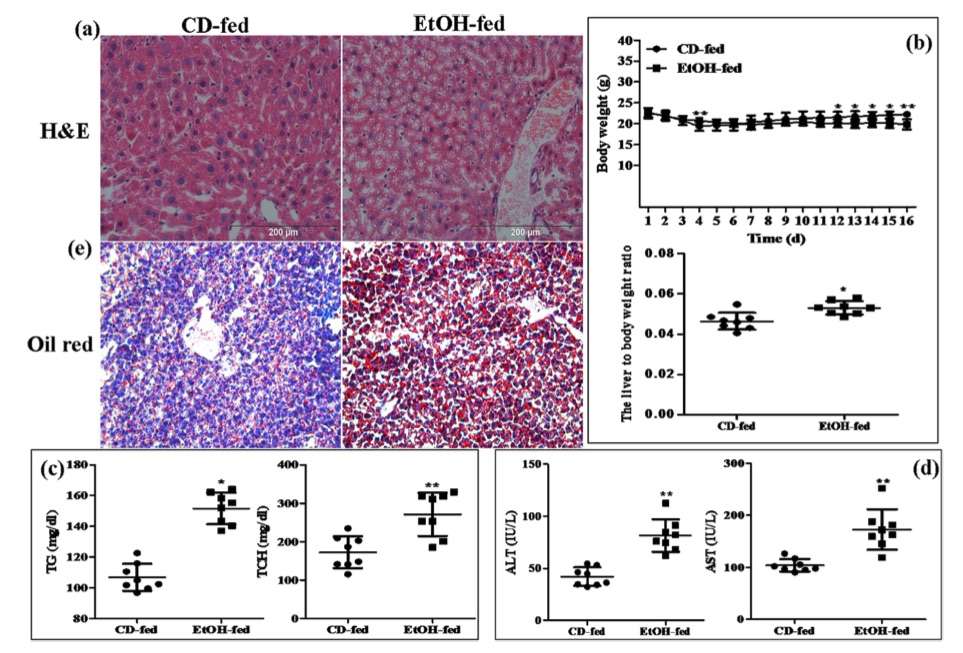 Fig. 2 Pathological characteristics in a mouse model of alcoholic liver disease (ALD).2
References
- Zhu, Lin et al. "Advancements in the Alcohol-Associated Liver Disease Model." Biomolecules vol. 12,8 1035. 27 Jul. 2022, DOI:10.3390/biom12081035. Distributed under an Open Access license CC BY 4.0, without modification.
- Wu, Xiao-Qin et al. "Telomerase reverse transcriptase acts in a feedback loop with NF-κB pathway to regulate macrophage polarization in alcoholic liver disease." Scientific Reports vol. 6 18685. 4 Jan. 2016, DOI:10.1038/srep18685. Distributed under an Open Access license CC BY 4.0, without modification.
For Research Use Only.