
Obesity Modeling & Pharmacodynamics Services
Creative Biolabs offers a wide range of well-established obesity models for evaluating drug efficacy. These models, tailored to various types of obesity and metabolic disorders, help in assessing the impact of anti-obesity drugs, insulin sensitizers, and lipolytic agents. Our scientific team ensures a comprehensive approach to model development and drug evaluation.
Introduction
Obesity is a complex metabolic disorder characterized by excessive fat accumulation, which can lead to serious health complications. It is associated with an increased risk of various diseases, including Type 2 diabetes, cardiovascular diseases, certain cancers, and non-alcoholic fatty liver disease (NAFLD). The main cause of obesity is an imbalance between energy intake and expenditure, often exacerbated by sedentary lifestyles, poor dietary habits, and genetic predispositions. Obesity can be classified into two primary types: exogenous (environmental or lifestyle-induced) and endogenous (genetic or metabolic). The former is primarily driven by poor nutrition and lack of physical activity, while the latter involves genetic mutations or endocrine disorders that affect metabolism.
Disease Models and Applications
Creative Biolabs offers a comprehensive selection of well-established animal models for obesity research, including high-fat diet-induced obesity, genetic obesity models, and models for metabolic syndrome and related conditions. These models are carefully designed to replicate human obesity and its associated comorbidities, providing a reliable platform for evaluating potential therapeutic candidates. With a thorough evaluation of key parameters such as body weight, food intake, adiposity, insulin resistance, and lipid profiles, we ensure an accurate assessment of treatment efficacy during the preclinical stage. Our experienced scientific team is committed to guiding you through every phase of your project, from model selection and experimental design to data analysis and interpretation, delivering high-quality and dependable results. To learn more about our obesity models and preclinical research services, please explore the links below:
| Obesity Model | Simulates | Drug Evaluation | Animal species |
| High-Fat Diet induced Obesity Model | Obesity, Type 2 Diabetes, Cardiovascular Diseases | Anti-obesity drugs (e.g., orlistat, sibutramine), Insulin sensitizers (e.g., metformin, thiazolidinediones), Lipid-lowering agents (e.g., statins, fibrates) | Mouse, dog, NHPs |
| High-Fat & High-Carbohydrate Diet induced Obesity Model | Metabolic Syndrome, Type 2 Diabetes, NAFLD | Anti-diabetic drugs (e.g., GLP-1 agonists, DPP-4 inhibitors), Anti-hyperglycemic drugs, Liver protectants (e.g., pioglitazone, statins) | Mouse, dog, NHPs |
| Cafeteria Diet induced Obesity Model | Obesity, Metabolic Syndrome, Type 2 Diabetes | Appetite regulators (e.g., phentermine, liraglutide), Drugs targeting appetite and energy balance, Insulin sensitizers (e.g., metformin) | Mouse |
| Monosodium Glutamate (MSG) induced Obesity Model | Obesity, Metabolic Disorders (e.g., hyperlipidemia), Insulin Resistance | Neuroprotective drugs, Appetite-suppressants, Lipid-lowering drugs (e.g., statins, omega-3 fatty acids), Insulin sensitizers (e.g., metformin, thiazolidinediones) | Mouse |
| ob/ob Obesity Mouse Model | Genetic Obesity, Type 2 Diabetes, Hypertension | Anti-obesity drugs (e.g., leptin, CB1 antagonists), Antidiabetic agents (e.g., metformin, sulfonylureas), Antihypertensive drugs (e.g., ACE inhibitors, diuretics) | Mouse |
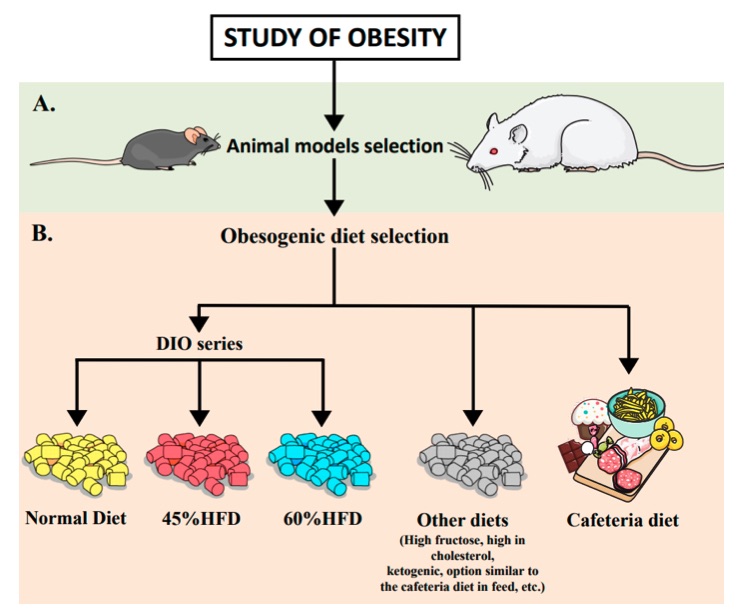 Fig. 1 Selection of the animal model and diet for the study of obesity.1
Measurements
We offer a variety of measurements for evaluating drug efficacy in obesity models, utilizing advanced technologies. These methods are designed to assess the effectiveness of anti-obesity treatments and metabolic disease interventions, including but not limited to:
-
General Observations:
- Body weight: Regular measurement to determine weight gain or loss.
- Food intake: Daily monitoring to evaluate changes in appetite.
- Activity levels: Physical activity tracking to assess the impact of treatment on energy expenditure.
- Fat mass percentage: Measuring adiposity to determine the effect on body fat reduction.
-
Immunohistochemistry:
- Adipose tissue analysis: Examining the histological structure of adipose tissue to evaluate the effects of treatments on fat accumulation and inflammation.
- Inflammatory cell infiltration: Detection of immune cells (e.g., macrophages, T-cells) in adipose tissue, liver, and other organs to study inflammation associated with obesity.
-
Cytokine Profiling (e.g., ELISA):
- Pro-inflammatory cytokines: Measurement of cytokine levels such as TNF-α, IL-6, IL-1β, to evaluate the inflammatory response in adipose tissue and other organs affected by obesity.
-
Hematology Analysis and Serum Biomarkers:
- Lipid profile: Including cholesterol (total, LDL, HDL) and triglycerides, to assess the effect of treatments on dyslipidemia, often associated with obesity.
- Glucose levels: Blood glucose and insulin resistance (e.g., via HOMA-IR) to evaluate metabolic disturbances and the effectiveness of anti-diabetic drugs.
- Liver enzymes and bilirubin levels: To assess liver function and potential non-alcoholic fatty liver disease (NAFLD) in obese models.
-
Gene/Protein Expression Profiling via RT qPCR and Western Blot Techniques:
- Adipokines: Expression of adipocyte-derived hormones like leptin, adiponectin, and resistin to study their role in obesity and metabolic dysfunction.
- Insulin signaling pathways: Analyzing gene expression related to insulin resistance, including markers like IRS-1, GLUT4, and PPARγ.
- Inflammatory mediators: Assessing the expression of pro-inflammatory cytokines and receptors involved in obesity-induced inflammation.
In addition to established obesity models, our expertise extends to the development of novel animal models tailored to specific research needs. Guided by literature and prior studies, our scientific team can assist in experimental design, model selection, and data analysis, ensuring a customized and effective approach to your project at every stage.
Related Services
In addition to obesity models, we also offer a wide range of models for other metabolic/liver diseases. These models enable comprehensive evaluation across diverse therapeutic areas.
Advantages
- Comprehensive Support: From experimental design to data analysis, our team provides end-to-end support, ensuring a seamless process and delivering meaningful insights throughout the project.
- State-of-the-Art Facilities: We utilize cutting-edge technology and facilities to perform high-quality preclinical studies, ensuring that your research is aligned with the latest scientific advancements.
- Timely Delivery: We prioritize efficiency and strive to meet deadlines, providing timely results to help you advance your research without unnecessary delays.
- Collaboration and Communication: We value strong partnerships with our clients and maintain open, ongoing communication to ensure that your research needs are met at every stage.
- Customer-Centric Approach: Our commitment to customer satisfaction ensures that we are always available to provide support, guidance, and consultation throughout the project.
Work with Us
- Summarize the project requirements and fill in the information collection form.
- Sign a CDA from both parties to further communicate information, such as targets.
- Select an animal model, discuss experimental design, and determine assay parameters.
- Project costing and project schedule forecasting.
- We provide a detailed project plan, including the required sample quantities, methods and protocols.
- Both parties confirm the project details and start the project.
- Confirm the timeline of the project.
- We provide periodic results and information on the animal's condition.
- We will work together to make project adjustments as necessary.
- We provide a comprehensive project report promptly.
- We arrange transportation for the produced samples.
- We provide a discussion of the project results and help to arrange the next steps.
- Data storage and archiving.
FAQs
-
Q: What types of models do you offer for obesity research?
A: We offer a variety of well-established animal models for obesity, including high-fat diet-induced obesity, genetic obesity models (such as ob/ob mice), and models for metabolic syndrome. These models allow for a comprehensive evaluation of drug efficacy for obesity and related metabolic disorders.
-
Q: What parameters do you evaluate in your obesity models?
A: We evaluate key parameters such as body weight, food intake, adiposity, insulin resistance, glucose levels, lipid profiles, inflammatory markers, and metabolic function to provide a complete assessment of drug efficacy in obesity research.
-
Q: How can your models help in preclinical drug development?
A: Our obesity models simulate human obesity and associated comorbidities, offering an effective platform for evaluating potential therapeutic candidates. We provide scientifically validated models that offer reliable and reproducible data to support drug development and decision-making in early-stage research.
-
Q: Do you provide customized models?
A: Yes, we offer customized models tailored to meet specific research needs. Our experienced team works closely with you to design models and experiments that best suit your therapeutic goals and project requirements.
-
Q: What technologies do you use for data analysis?
A: We employ advanced technologies such as immunohistochemistry, gene/protein expression profiling, cytokine analysis (e.g., ELISA), metabolic and biochemical assessments, and high-throughput data analysis to provide comprehensive insights into your study outcomes.
Published Data
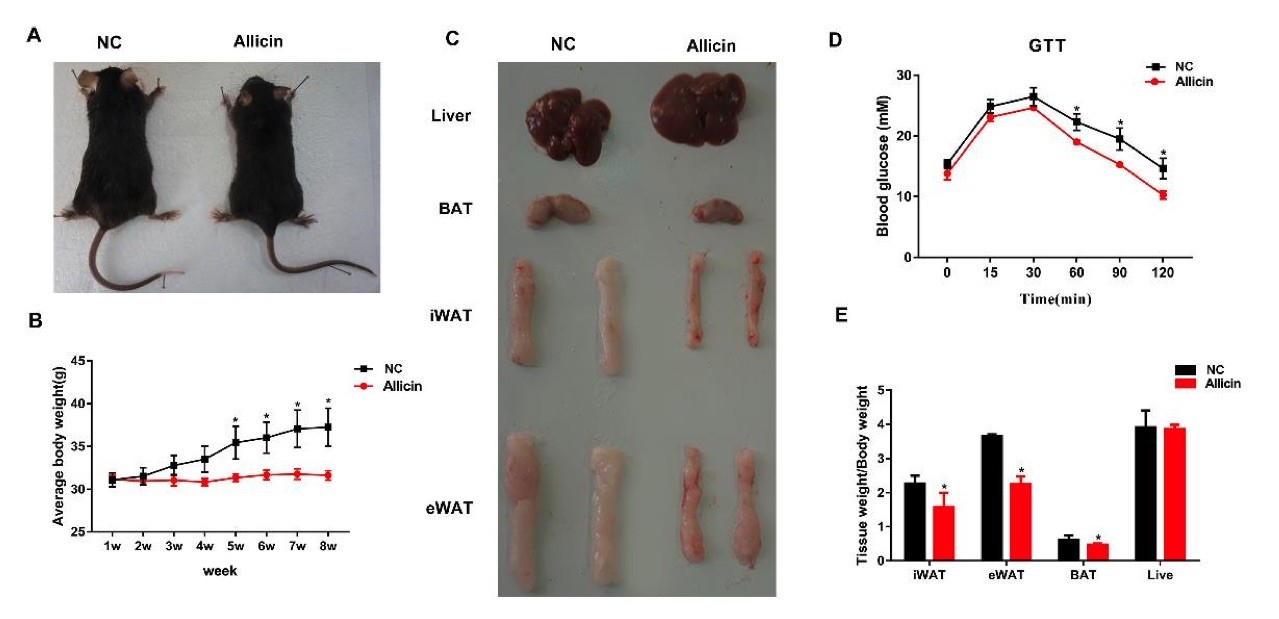 Fig. 2 Allicin reduced body weight and fat deposition in mice with high-fat diet-induced obesity.2
To investigate the effect of allicin on body weight and fat deposition, an obese mouse model was established by feeding mice a high-fat diet. Allicin or normal saline was orally administered to the obese mice. After 8 weeks, the Allicin group showed significantly reduced fat mass compared to the NC group (Figure 2A, C). Body weight and food intake were measured weekly, and the Allicin group gained less body weight than the NC group (Figure 2B). However, there was no difference in food intake (data not shown). A glucose tolerance test (GTT) revealed that allicin improved glucose tolerance in the mice (Figure 2D). Upon sacrificing the mice, fat and liver composition were analyzed. The weight of adipose tissue in the Allicin group was significantly lower than that in the NC group, while liver weight did not change (Figure 2E). These results suggest that allicin effectively reduced body weight and fat in mice with high-fat diet-induced obesity.
References
- Bastías-Pérez, Marianela et al. "Dietary Options for Rodents in the Study of Obesity." Nutrients vol. 12,11 3234. 22 Oct. 2020, DOI:10.3390/nu12113234. Distributed under an Open Access license CC BY 4.0, without modification.
- Shi, Xin'e et al. "Allicin Improves Metabolism in High-Fat Diet-Induced Obese Mice by Modulating the Gut Microbiota." Nutrients vol. 11,12 2909. 2 Dec. 2019, doi:10.3390/nu11122909. Distributed under an Open Access license CC BY 4.0, without modification.
For Research Use Only.