
Hyperlipidemia Modeling & Pharmacodynamics Services
Creative Biolabs offers a wide range of well-established animal models for evaluating hyperlipidemia and related lipid disorders. These models enable a comprehensive assessment of lipid-lowering drug efficacy, including statins, fibrates, and novel therapies targeting lipid metabolism. Our scientific team provides expert support for experimental design, model selection, and data analysis to ensure high-quality results.
Introduction
Hyperlipidemia is a condition characterized by elevated levels of lipids (fats) in the blood, which significantly increases the risk of cardiovascular diseases such as atherosclerosis, heart attacks, and strokes. This condition can be classified into different types based on the type of lipid that is elevated, including hypercholesterolemia (high cholesterol), hypertriglyceridemia (high triglycerides), and mixed hyperlipidemia (elevated levels of both cholesterol and triglycerides). The main causes of hyperlipidemia include genetic factors, poor dietary habits, lack of physical activity, obesity, metabolic disorders, and certain conditions like diabetes and excessive alcohol intake. Hyperlipidemia is often asymptomatic, making it difficult to detect early, even as it silently increases the risk of severe cardiovascular complications. Elevated levels of low-density lipoprotein (LDL) cholesterol and high triglycerides can lead to the buildup of fatty deposits in blood vessels, contributing to atherosclerosis and narrowing of the arteries. This restriction of blood flow can ultimately lead to heart disease and other serious health issues.
Disease Models and Applications
Creative Biolabs offers a comprehensive selection of well-established animal models (rodent and NHPs) for hyperlipidemia and lipid-related disorders, including models for hypercholesterolemia, hypertriglyceridemia, and atherosclerosis. These models are carefully designed to replicate human lipid metabolism and associated cardiovascular risks, providing a reliable platform for evaluating therapeutic candidates. Our models are supported by thorough evaluations of various key parameters, including lipid profiles, cholesterol levels, triglycerides, and plaque formation, enabling accurate assessment of drug efficacy in the preclinical phase. Our experienced scientific team will work closely with you throughout your project, from experimental design to data analysis and interpretation, ensuring high-quality, reproducible results. To learn more about the hyperlipidemia models available for preclinical research, please explore the links below:
| Hyperlipidemia Models | Simulates | Drug Evaluation | Animal species |
| High-Fat Diet induced Hyperlipidemia Model | Hyperlipidemia, Atherosclerosis, Metabolic Syndrome | Lipid-lowering drugs (e.g., statins, fibrates), Anti-hyperlipidemic drugs, Omega-3 fatty acids, Anti-inflammatory agents | Mouse, Rat |
| High-Fat & High-Carbohydrate Diet induced Hyperlipidemia Model | Hyperlipidemia, Insulin Resistance, Metabolic Syndrome | Anti-diabetic drugs (e.g., GLP-1 agonists, DPP-4 inhibitors), Lipid-lowering agents (e.g., statins, fibrates), Anti-inflammatory drugs | Mouse, rabbit, dog, NHPs |
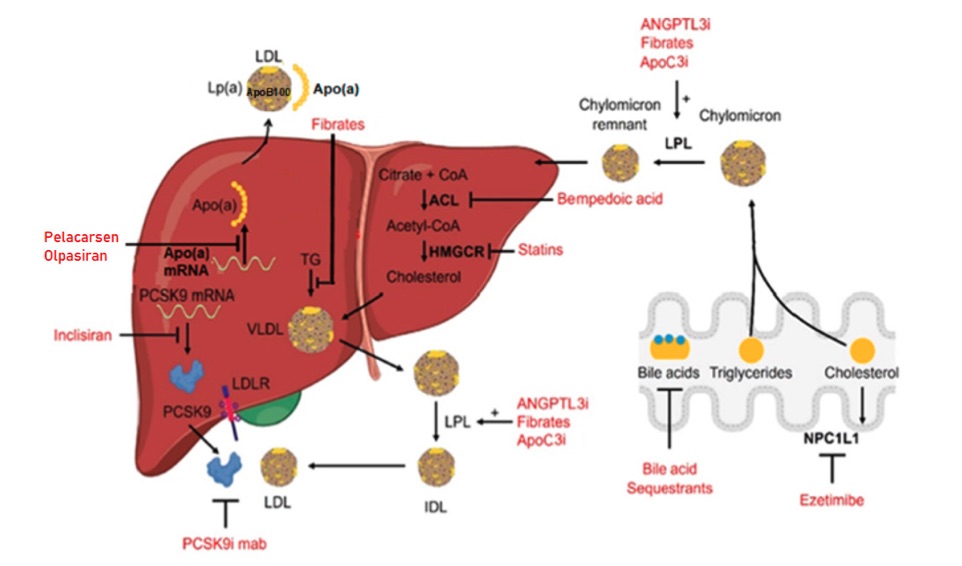 Fig. 1 Main therapies used for the treatment of hyperlipidemia with the associated mechanism of action.1
Measurements
We offer a variety of measurements for evaluating drug efficacy in hyperlipidemia models, utilizing advanced technologies to provide a comprehensive assessment of lipid-related disorders and cardiovascular risks. These measurements include, but are not limited to:
-
General Observations:
- Body weight: Monitoring changes in body weight to assess metabolic effects associated with hyperlipidemia.
- Food intake and activity levels: Assessing dietary patterns and physical activity to monitor changes in metabolic status.
- Mortality rate: Tracking survival rates to evaluate the impact of treatment on overall health.
-
Immunohistochemistry:
- Infiltration of immune cells: Analyzing the presence of inflammatory cells (e.g., macrophages, T-cells) in tissues such as adipose, liver, and arteries to understand inflammation in hyperlipidemia and atherosclerosis.
-
Cytokine Profiling (e.g., ELISA):
- Inflammatory markers: Measuring the expression levels of pro-inflammatory cytokines such as TNF-α, IL-6, and IL-1β to assess the inflammatory response in lipid metabolism disorders.
- Oxidative stress biomarkers: Quantifying markers like malondialdehyde (MDA) and advanced glycation end products (AGEs) to evaluate oxidative damage.
-
Hematology Analysis and Serum Biomarkers:
- Lipid profile: Assessing levels of total cholesterol, LDL, HDL, and triglycerides to determine lipid abnormalities associated with hyperlipidemia.
- Liver enzymes: Measuring liver function markers such as ALT, AST, and alkaline phosphatase to assess liver damage caused by lipid overload.
- Atherosclerosis biomarkers: Monitoring markers such as C-reactive protein (CRP) and apolipoprotein B to assess cardiovascular risk.
-
Gene/Protein Expression Profiling via RT qPCR and Western Blot Techniques:
- Lipid metabolism genes: Measuring the expression of key genes such as SREBP-1c, PPARα, and LDLR to understand lipid regulation.
- Atherosclerosis-related proteins: Analyzing the expression of proteins involved in plaque formation and endothelial function, including VEGF, ICAM-1, and MMPs.
- Adipokines and lipoproteins: Studying the expression of adipokines (e.g., leptin, adiponectin) and lipoproteins to evaluate their role in metabolic dysfunction.
In addition to established hyperlipidemia models, our expertise extends to the development of novel animal models tailored to specific research needs, based on the latest literature and previous studies. Our team of scientific experts is available to assist in experimental design, model selection, and data analysis, ensuring a customized and effective approach to your research project at every stage.
Related Services
In addition to hyperlipidemia models, we also offer a wide range of models for other diseases. These models enable comprehensive evaluation across diverse therapeutic areas.
Advantages
- Expertise and Experience: Our team consists of highly skilled scientists with extensive experience in developing and using animal models for a wide range of diseases, including obesity, diabetes, cardiovascular conditions, and metabolic disorders. We bring deep scientific knowledge and technical expertise to every project, ensuring high-quality results.
- Tailored Solutions: We understand that each research project has unique goals and requirements. That's why we offer customized solutions, from experimental design to model selection, ensuring that your study is tailored to address your specific research questions.
- State-of-the-Art Technology: We employ cutting-edge technologies and methodologies to gather accurate and reproducible data. Our techniques, including gene/protein expression profiling, immunohistochemistry, and cytokine analysis, allow for comprehensive insights into the effects of therapeutic candidates.
- Comprehensive Support: We provide end-to-end support throughout the entire project. Our team works closely with you at every step, from study design and model selection to data interpretation, ensuring a smooth and successful research process.
- High-Quality, Reliable Results: Our models are scientifically validated, and we follow rigorous quality control measures to ensure that the results we deliver are both reliable and reproducible. This enables you to make informed decisions based on accurate data.
Work with Us
- Summarize the project requirements and fill in the information collection form.
- Sign a CDA from both parties to further communicate information, such as targets.
- Select an animal model, discuss experimental design, and determine assay parameters.
- Project costing and project schedule forecasting.
- We provide a detailed project plan, including the required sample quantities, methods, and protocols.
- Both parties confirm the project details and start the project.
- Confirm the timeline of the project.
- We provide periodic results and information on the animal's condition.
- We will work together to make project adjustments as necessary.
- We provide a comprehensive project report promptly.
- We arrange transportation for the produced samples.
- We provide a discussion of the project results and help to arrange the next steps.
- Data storage and archiving.
FAQs
-
Q: What types of models do you offer for drug evaluation?
A: We offer a wide range of animal models for various diseases, including obesity, diabetes, cardiovascular diseases, metabolic disorders, and more. Our models are tailored to simulate human disease conditions, providing a reliable platform for preclinical drug testing.
-
Q: How do I choose the right model for my research?
A: Our experienced scientific team works closely with you to understand your research objectives and recommend the most suitable animal model for your study. We take into account factors such as the disease being studied, the therapeutic target, and the evaluation criteria for drug efficacy.
-
Q: What parameters do you evaluate in your models?
A: We assess a variety of parameters based on the disease model, including body weight, glucose levels, lipid profiles, tissue composition, inflammatory markers, organ function biomarkers, and gene/protein expression, to provide a comprehensive evaluation of drug efficacy.
-
Q: Do you offer customized models for specific research needs?
A: Yes, we specialize in developing custom animal models tailored to specific research needs. Whether you're working on a novel therapeutic approach or studying a unique disease mechanism, we can help design and implement a model that aligns with your research goals.
-
Q: What technologies do you use for data analysis?
A: We employ state-of-the-art technologies for data analysis, including RT-qPCR, Western blotting, ELISA, immunohistochemistry, and high-throughput sequencing. These methods allow us to provide accurate, reliable, and comprehensive insights into your study's outcomes.
-
Q: How long does it take to receive results from your models?
A: The timeline for receiving results depends on the complexity of the study. However, we prioritize efficiency and ensure that reliable results are delivered on time, allowing you to move forward with your research without unnecessary delays.
Published Data
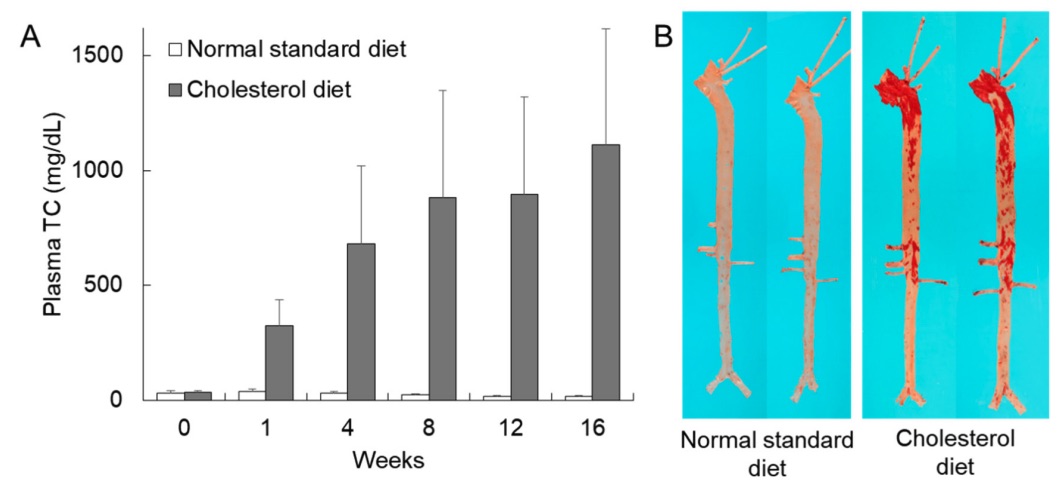 Fig.2 Diet induced Hyperlipidemic Rabbits.2
This article recommends a diet supplemented with 0.3–0.5% cholesterol and 3% soybean oil, which can be administered to rabbits either ad libitum or with restricted feeding. A typical response in hypercholesterolemic rabbits is demonstrated in Figure 2A, where plasma total cholesterol (TC) levels begin to rise within the first week and remain elevated at approximately 800 mg/dL thereafter. As early as four to six weeks into the cholesterol diet, hyperlipidemic rabbits can develop aortic lesions, and by 16 weeks, 20–40% of the aortic surface shows signs of atherosclerosis, detectable via Sudan IV staining (Figure 2B). The age of the rabbits is a critical factor, as younger rabbits are more prone to developing aortic atherosclerosis compared to older rabbits, despite no significant differences in plasma TC levels between the two age groups.
References
- Preta, Giulio. "Development of New Genome Editing Tools for the Treatment of Hyperlipidemia." Cells vol. 12,20 2466. 16 Oct. 2023, DOI:10.3390/cells12202466. Distributed under an Open Access license CC BY 4.0, without modification.
- Niimi, Manabu, et al. "Hyperlipidemic rabbit models for anti-atherosclerotic drug development." Applied Sciences 10.23 (2020): 8681. https://doi.org/10.3390/app10238681. Distributed under an Open Access license CC BY 4.0, without modification.
For Research Use Only.