
Blood Flow induced Arterial Intimal Thickening Modeling & Pharmacodynamics Service
Creative Biolabs offers a diverse range of well-established in vivo models, including the advanced blood flow-induced AIT model, to accurately evaluate the efficacy of novel anti-atherosclerotic compounds and interventions.
Introduction
Atherosclerosis is a chronic inflammatory disease characterized by the buildup of plaque within arterial walls, leading to arterial intimal thickening (AIT) and compromised blood flow. Hemodynamic forces, specifically disturbed flow patterns, play a pivotal role in initiating and progressing these lesions. Understanding these complex interactions is crucial for developing effective therapies.
Blood Flow-Induced Arterial Intimal Thickening Model
The blood flow-induced AIT model is an indispensable, physiologically relevant tool for cardiovascular research. It precisely mimics disturbed blood flow, driving intimal hyperplasia and atherosclerosis. This platform allows investigating hemodynamic forces, endothelial dysfunction, VSMC modulation, ECM remodeling, and arterial stiffness. Superior to traditional injury-based or static in vitro models, it effectively dissects AIT's molecular and cellular mechanisms by capturing critical biomechanical influences.
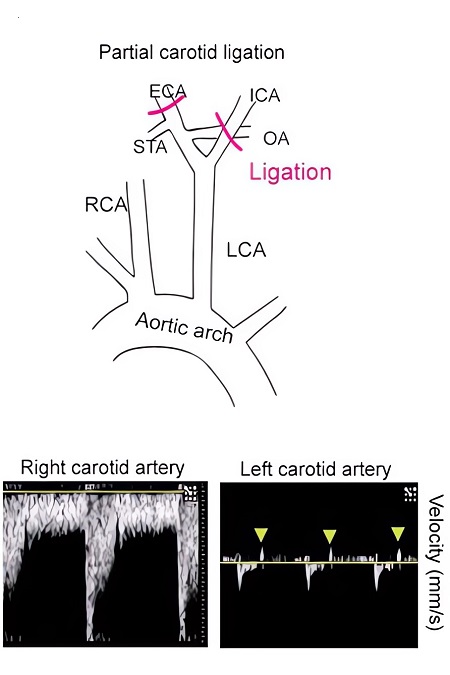 Fig.1 Schematic representation of the partial ligation of the left carotid artery (LCA) strategy.1
Model Construction Steps
The construction of this model primarily involves surgical interventions to create specific, localized alterations in arterial blood flow. The general strategy focuses on inducing disturbed flow, which can involve either a reduction or an increase in shear stress.
01Step 1: Anesthesia and Surgical Exposure
Rodents (typically mice or rats) are anesthetized, and a specific artery, most commonly the carotid artery, is surgically exposed with meticulous care to minimize tissue damage.
02Step 2: Flow Alteration Intervention
- Partial Ligation: A common method involves partially ligating a branch of the carotid artery (e.g., the left common carotid artery proximal to its bifurcation). This creates a region of disturbed, low shear stress flow in the main vessel.
- Complete Ligation: In some variations, complete ligation of a vessel (e.g., the common carotid artery) can induce a cessation of flow, leading to specific remodeling responses.
- Arteriovenous Fistula Creation: Another approach involves creating a shunt between an artery and a vein, leading to chronically increased flow and shear stress in the artery proximal to the fistula.
- Perivascular Cuff Placement: Non-constrictive cuffs placed around an artery can induce altered flow patterns and subsequent intimal thickening without direct vessel injury.
03Step 3: Wound Closure and Recovery
After the intervention, the surgical site is carefully closed, and the animal is allowed to recover under close monitoring.
04Step 4: Disease Progression
Intimal thickening typically develops over a period of two to four weeks post-surgery, allowing for the study of chronic remodeling processes.
Strengths and Limitations
Strengths:
- High Physiological Relevance: Accurately recapitulates in vivo hemodynamic forces, providing a realistic environment for studying AIT initiation and progression.
- Mimics Human Pathophysiology: The resulting lesions closely resemble those seen in human atherosclerosis and restenosis, particularly in areas of disturbed flow.
- Dissection of Hemodynamic Parameters: Allows precise manipulation and investigation of specific flow conditions (e.g., low, oscillatory, or turbulent shear stress) and their impact on vascular cells and tissues.
- Study of Mechanotransduction: Ideal for elucidating how endothelial cells and VSMCs sense and respond to mechanical stimuli, including changes in arterial stiffness.
- Robust and Reproducible: Standardized surgical techniques ensure consistent and reliable outcomes, crucial for drug testing and target validation.
- Age-Dependent Analysis: Can be adapted to study how age influences vascular remodeling and susceptibility to AIT.
Limitations:
- Surgical Invasiveness: Requires skilled surgical expertise and can be technically challenging.
- Localized Effect: Primarily induces AIT in a specific vessel, not representing systemic atherosclerosis.
- Potential for Compensatory Flow: Other vessels might compensate, potentially influencing results.
- Genetic Background Variability: Strain-specific differences in remodeling responses need careful consideration.
Evaluation Platform
Creative Biolabs provides a comprehensive evaluation platform to thoroughly assess the outcomes of the blood flow-induced AIT model. Our state-of-the-art facilities and experienced scientists utilize a range of techniques and evaluate key indicators, including:
- Advanced Techniques: Biochemical, molecular, cellular, histopathological, and imaging methods.
- Morphometric Analysis: Lesion area, intimal-medial ratio, and lumen stenosis.
- Cellular Markers: VSMC proliferation (e.g., PCNA, Ki67) and inflammatory cell infiltration (e.g., macrophages, lymphocytes).
- Matrix Components: Extracellular matrix components (e.g., collagen, elastin).
- Vascular Health: Endothelial integrity, arterial stiffness measurements, and vessel diameter changes.
- Molecular Profiling: Gene and protein expression profiles.
Applications
- Disease Simulation: Effectively simulates key aspects of human vascular diseases such as atherosclerosis, post-angioplasty restenosis, vascular graft failure, and the early stages of aneurysm formation.
- Drug Evaluation: Ideal for evaluating the efficacy of novel pharmacological agents, including anti-atherosclerotic compounds, anti-proliferative drugs, anti-inflammatory agents, and therapies targeting arterial stiffness.
- Therapeutic Development: Used to assess the impact of various therapeutic interventions, including gene therapies, cell-based therapies, and the performance of novel vascular devices (e.g., drug-eluting stents)
- Biomarker Discovery: Facilitates the identification and validation of novel biomarkers for early disease detection, progression, and therapeutic response.
- Mechanistic Studies: Provides a robust platform for dissecting the fundamental cellular and molecular mechanisms by which hemodynamic forces contribute to vascular remodeling.
Related Atherosclerosis Models
- ApoE-/- Mice Model
- Low-Density Lipoprotein Receptor-Deficient Mice (LDLR-/-) Model
- ApoE*3 Transgenic (E3L) Mice Model
- Fatty Zucker Rats Model
- Carotid Artery Endothelial Denudation Model
- High-Fat-Diet (HFD) & CHOL-Induced Aorta Atherosclerosis Model
Our Advantages
- Precision Model Implementation: Highly skilled surgical teams ensure consistent, reproducible model induction and meticulous execution.
- Tailored Study Design: Flexible and customizable protocols to precisely address your unique research objectives.
- Comprehensive Analytics: Access to advanced analytical techniques for in-depth mechanistic insights and robust data.
- Collaborative Partnership: We act as an extension of your research team, fostering open communication and shared success.
- Accelerated Discovery: Our efficient workflows and commitment to quality data drive faster, more translatable results for your programs.
Work with Us
- Summarize the project requirements and fill in the information collection form.
- Sign a CDA from both parties to further communicate information, such as targets.
- Select an animal model, discuss experimental design, and determine assay parameters.
- Project costing and project schedule forecasting.
- We provide a detailed project plan, including the required sample quantities, methods, and protocols.
- Both parties confirm the project details and start the project.
- Confirm the timeline of the project.
- We provide periodic results and information on the animal's condition.
- We will work together to make project adjustments as necessary.
- We provide a comprehensive project report promptly.
- We arrange transportation for the produced samples.
- We provide a discussion of the project results and help to arrange the next steps.
- Data storage and archiving.
Contact Us
At Creative Biolabs, we are dedicated to advancing cardiovascular research through physiologically relevant models and comprehensive analytical capabilities. Our blood flow-induced AIT model services provide the robust data necessary to propel your discoveries. Contact us today to explore how our expertise can support your next breakthrough.
FAQs
-
Q1: What are the key readouts and endpoints Creative Biolabs provides for this model?
A: Our comprehensive readouts include quantitative morphometric analysis of lesion size (e.g., intimal-medial ratio, lumen stenosis), assessment of cellular proliferation and apoptosis, inflammatory cell infiltration, extracellular matrix composition, and specific gene and protein expression related to vascular remodeling. We also offer functional assessments where applicable.
-
Q2: Can this model differentiate between various types of intimal hyperplasia?
A: Yes, this model is particularly adept at distinguishing hemodynamically-driven intimal hyperplasia from injury-induced responses. It allows for the study of adaptive versus maladaptive remodeling, providing insights into the specific contributions of altered flow to different forms of AIT.
-
Q3: Is it possible to investigate specific cell types and their roles within this model?
A: Absolutely. Our analytical capabilities extend to detailed cellular characterization using immunohistochemistry and immunofluorescence, allowing for the identification and quantification of specific cell populations such as endothelial cells, vascular smooth muscle cells, macrophages, and lymphocytes within the developing lesion.
-
Q4: How do you ensure the reproducibility and consistency of this complex surgical model?
A: Our highly skilled surgical teams adhere to standardized operating procedures and rigorous quality control measures. We employ experienced personnel, conduct thorough training, and implement strict animal welfare protocols to ensure high consistency and reproducibility across all experimental cohorts.
-
Q5: Can genetic factors influencing vascular remodeling be investigated using this model?
A: Yes, the use of inbred rodent strains in this model provides an excellent opportunity to dissect the genetic factors that regulate vascular remodeling responses to altered blood flow. This allows for the identification of genetic predispositions or protective mechanisms in AIT.
-
Q6: How do you account for age-related changes in vascular remodeling when using this model?
A: We can design studies using age-specific cohorts of animals (e.g., juvenile vs. adult) to investigate how the capacity for flow-induced vascular remodeling changes with age. This allows for a more nuanced understanding of age as a risk factor in AIT progression and therapeutic response.
Published Data
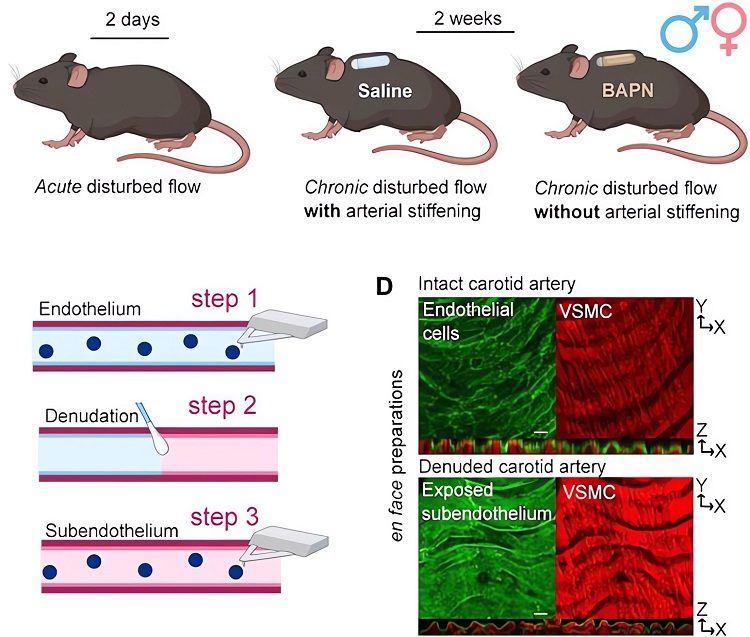 Fig.2 Assessment of the arterial mechanical phenotype after LCA.1
A compelling demonstration of the blood flow-induced AIT model's utility comes from a study. This research utilized a disturbed flow model to show that chronic disturbed blood flow significantly increases the stiffness of both the endothelium and subendothelial matrix. Crucially, the study demonstrated that pharmacological inhibition of collagen crosslinking with -aminopropionitrile (BAPN) effectively prevented this flow-induced intimal stiffening. These results highlight the model's capacity to reveal fundamental biomechanical changes in the arterial wall and validate potential therapeutic targets for cardiovascular health.
Reference
- Bywaters, Briana C et al. "Modulation of arterial intima stiffness by disturbed blood flow." Experimental biology and medicine (Maywood, N.J.) vol. 249 10090. 31 Jul. 2024. Distributed under Open Access license CC BY 4.0, without modification. The image was modified by extracting and using only part of the original image. https://doi.org/10.3389/ebm.2024.10090
For Research Use Only.