
Systemic Inflammation Modeling & Pharmacodynamics Services
Creative Biolabs offers a range of well-established and customizable systemic inflammation models to evaluate the efficacy of drugs targeting inflammatory pathways. These models enable researchers to study the pathophysiology of systemic inflammation and assess the potential of novel therapeutic interventions.
Introduction
Systemic inflammation refers to a widespread, often exaggerated inflammatory response that affects the entire body. It is triggered by various factors, including infections, autoimmune disorders, trauma, and chronic diseases. This type of inflammation is a hallmark of conditions such as sepsis, rheumatoid arthritis, systemic lupus erythematosus (SLE), and inflammatory bowel disease (IBD). In systemic inflammation, the immune system becomes dysregulated, leading to an overproduction of inflammatory mediators like cytokines, which can result in tissue damage, organ dysfunction, and, in severe cases, organ failure. The condition can be acute or chronic, with both forms posing significant challenges for treatment and management. Understanding the mechanisms behind systemic inflammation is crucial for developing therapeutic strategies aimed at controlling immune responses and reducing tissue damage.
Systemic Inflammation Models and Applications
Creative Biolabs offers a broad array of well-established animal models for studying systemic inflammation. These models are carefully designed to replicate key aspects of systemic inflammation and are supported by comprehensive evaluations of various clinical and pathological parameters, enabling precise assessment of therapeutic candidates during the preclinical phase. Our team of experienced scientists will assist you throughout your project, from experimental design to data interpretation, ensuring high-quality and reliable results. To learn more about the systemic inflammation models available for preclinical research, please explore the links below:
| Models | Simulates Disease | Evaluates Drugs | Animal species |
| Carrageenan Air Pouch Model | Acute local inflammation, commonly used to study inflammatory pain models | Anti-inflammatory drugs, pain relievers, and drugs targeting inflammatory pathways. | Rat, Mouse |
| Carrageenan-Induced Paw Edema Model | Simulates acute inflammation and edema in response to carrageenan, often used to study inflammatory pain and swelling. | Anti-inflammatory drugs, pain relievers, and corticosteroids targeting acute inflammatory responses. | Rat, Mouse |
| Mouse Auricle Swelling Inflammatory Model | Induces localized inflammation in the auricle to study immune and vascular responses to injury or inflammation. | Inflammatory cytokine inhibitors, immune-modulating drugs, and vasodilators to reduce swelling and inflammation. | Mouse |
| Acetic Acid-Induced Mouse Vascular Permeability Model | Simulates increased vascular permeability and inflammation, often used to study the effects of inflammation on tissue. | Anti-inflammatory drugs, vascular stabilizing agents, and therapies targeting endothelial cell activation. | Mouse |
| Testosterone-Induced Benign Prostatic Hyperplasia Model | Induces prostate inflammation and enlargement, used for studying inflammation in prostate tissue. | Anti-androgens, anti-inflammatory drugs, and compounds targeting androgen receptors in prostate inflammation. | Rat, Mouse |
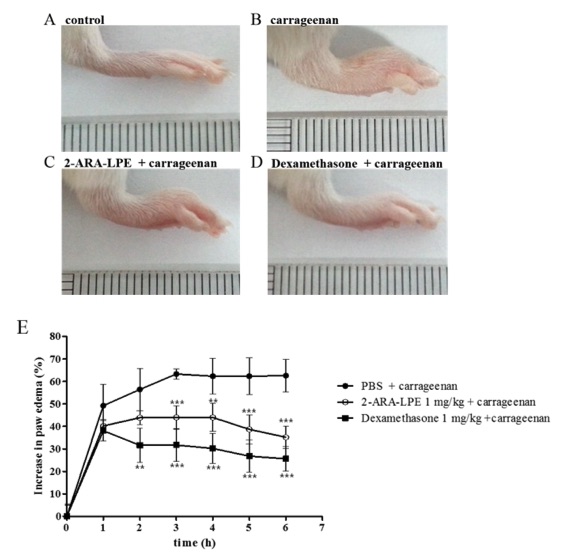 Fig. 1 Changes in paw thickness (mm) of ICR mice.1,3
Evaluation Platform
- Animals: Mouse, Rat.
-
Measurements
We offer a variety of measurements for evaluating drug efficacy in systemic inflammation models, including but not limited to:- General observations: body weight, mortality rate, temperature fluctuations, and clinical symptoms of inflammation, such as redness and swelling.
- Cytokine profiling: Quantifying inflammatory markers such as TNF-α, IL-6, and IL-1β through ELISA and PCR-based methods.
- Immune cell analysis: Flow cytometry to assess immune cell infiltration (e.g., neutrophils, macrophages, T-cells) in affected tissues.
- Histopathology: Tissue staining (e.g., H&E, Masson's trichrome) to examine the degree of organ damage or fibrosis.
- Serum biomarkers: Analysis of liver enzymes, CRP levels, and other systemic markers of inflammation.
- Gene/protein expression profiling: RT-PCR and Western blotting to analyze key inflammatory genes and proteins.
Our advantages
- Comprehensive Models: Our models offer diverse methods for inducing systemic inflammation, from infection-based to chemical induction, allowing flexibility for different research needs.
- Customizable Protocols: We provide tailored models that can simulate acute or chronic inflammation based on specific research requirements.
- Advanced Analytical Tools: We incorporate cutting-edge technologies for cytokine profiling, immune cell analysis, and tissue histology, ensuring high-quality results.
- Expert Support: Our team of scientists assists in experimental design, model selection, and data interpretation, providing a complete solution.
- Reproducibility: Our models are designed to ensure consistency and reproducibility, enabling reliable outcomes for drug testing and disease studies.
Work with Us
- Summarize the project requirements and fill in the information collection form.
- Sign a CDA from both parties to further communicate information, such as targets.
- Select an animal model, discuss experimental design, and determine assay parameters.
- Project costing and project schedule forecasting.
- We provide a detailed project plan, including the required sample quantities, methods, and protocols.
- Both parties confirm the project details and start the project.
- Confirm the timeline of the project.
- We provide periodic results and information on the animal's condition.
- We will work together to make project adjustments as necessary.
- We provide a comprehensive project report promptly.
- We arrange transportation for the produced samples.
- We provide a discussion of the project results and help to arrange the next steps.
- Data storage and archiving.
FAQs
-
1. What diseases can the systemic inflammation models simulate?
The models can simulate a wide range of inflammatory diseases, including sepsis, autoimmune diseases like rheumatoid arthritis, and chronic conditions such as inflammatory bowel disease (IBD).
-
2. How long do the models take to develop?
The time to develop a systemic inflammation model depends on the specific method of induction. Typically, it ranges from a few days to several weeks for the full inflammatory response to manifest.
-
3. Can the models be used to evaluate drug combinations?
Yes, our models are ideal for evaluating both single-agent and combination therapies, helping identify synergies or potential antagonisms between drugs.
-
4. Are the models customizable for specific research needs?
Absolutely. Our models can be adapted to simulate different stages of inflammation and disease progression based on your project's focus.
-
5. What is the role of cytokine profiling in these models?
Cytokine profiling is crucial for understanding the molecular basis of inflammation. It helps identify key inflammatory mediators and measure the effect of drug interventions on the immune response.
Published Data
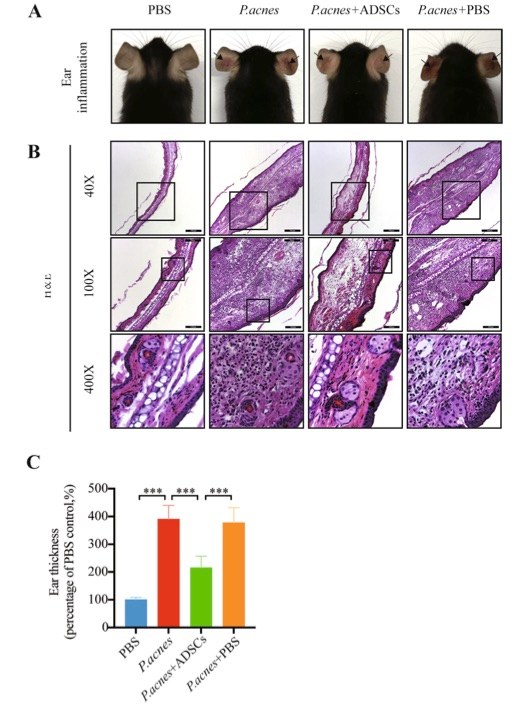 Fig 2. Diabetic (db/db) mice promoted CUP-1 xenograft growth.1
To investigate the potential of adipose-derived stem cells (ADSCs) in alleviating Propionibacterium acnes-induced skin inflammation in vivo, a mouse model of inflammatory acne was established by injecting P. acnes into the ears of mice to induce acute ear edema (Fig. 2A). Following model induction, ADSCs were locally administered into the affected area. Measurements demonstrated that ADSC treatment markedly decreased ear swelling and thickness compared with the untreated group (Fig. 2C). Histological analysis further revealed that ADSC administration significantly reduced inflammatory cell infiltration and aggregation within the ear tissue (Fig. 2B). These findings suggest that ADSCs effectively mitigate P. acnes-induced inflammation and tissue edema in this experimental model.
References
- Park, Soo-Jin, and Dong-Soon Im. "2-Arachidonyl-lysophosphatidylethanolamine Induces Anti-Inflammatory Effects on Macrophages and in Carrageenan-Induced Paw Edema." International Journal of Molecular Sciences vol. 22,9 4865. 4 May. 2021. https://doi.org/10.3390/ijms22094865
- Li, Xiaoxi et al. "Adipose-derived stem cells attenuate acne-related inflammation via suppression of NLRP3 inflammasome." Stem Cell Research & Therapy vol. 13,1 334. 23 Jul. 2022. https://doi.org/10.1186/s13287-022-03007-7
- Distributed under Open Access license CC BY 4.0, without modification.
For Research Use Only.