
5/6 Nephrectomy induced Heart Failure Modeling & Pharmacodynamics Service
Creative Biolabs is at the forefront of this effort, providing a diverse array of meticulously validated and well-established preclinical models, including the 5/6 nephrectomy-induced HF model, to rigorously evaluate the efficacy of novel HF treatments.
Introduction
Heart Failure (HF) represents a formidable global health challenge, characterized by the heart's diminished capacity to pump blood efficiently. Its escalating prevalence, particularly when intertwined with chronic kidney disease (CKD) in what is known as cardiorenal syndrome, underscores an urgent need for innovative therapeutic strategies.
5/6 Nephrectomy-Induced HF Model
The 5/6 nephrectomy (Nx) model is a cornerstone in cardiorenal research, meticulously designed to induce progressive CKD and its associated cardiovascular complications, culminating in HF. This model precisely mimics the intricate, bidirectional relationship between renal dysfunction and cardiac pathology observed in human cardiorenal syndrome.
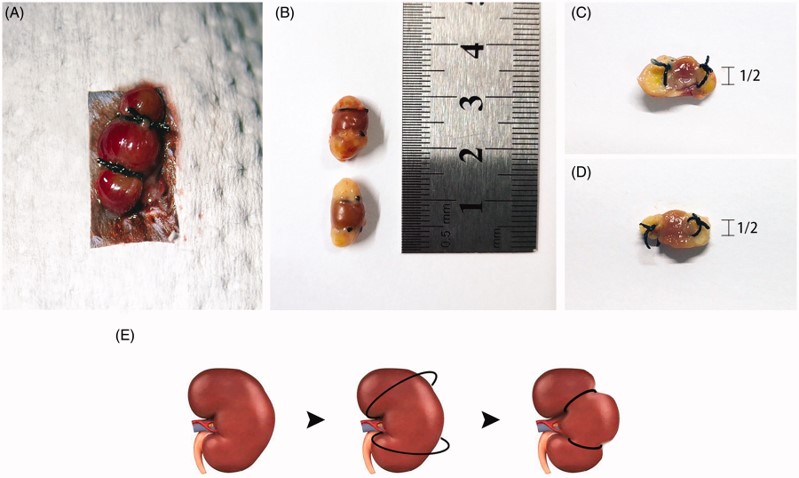 Fig.1 Presentation of conventional 5/6 nephrectomy.1,3
Model Construction Steps
The construction of the 5/6 Nx model involves a precise surgical reduction of approximately 83% of functional renal mass, typically executed through a two-stage procedure:
01Stage 1
Initial reduction of two-thirds of one kidney's mass is performed. This can be achieved either by ligating two main branches of the renal artery, supplying two-thirds of the kidney or by surgically resecting two-thirds of the renal tissue from one kidney's pole.
02Stage 2 (1 week later)
Following a recovery period to allow for initial compensatory changes, the contralateral (remaining) kidney is entirely removed via unilateral total nephrectomy.
This staged approach leads to sustained hemodynamic stress on the remaining nephrons, driving progressive glomerulosclerosis, proteinuria, and ultimately, renal failure that precipitates cardiac remodeling and dysfunction.
Strengths and Limitations
Strengths:
- High Translational Relevance: The model faithfully recapitulates key pathophysiological features of human CKD-associated HF, including hypertension, progressive renal fibrosis, cardiac hypertrophy, and fibrosis, along with insights into mitochondrial dysfunction, microRNA dysregulation, and critical sex-specific responses.
- Reproducibility: When performed by highly skilled surgical teams, the 5/6 Nx model consistently yields reproducible disease progression and endpoints, enabling robust comparative studies.
- Comprehensive Phenotyping: It supports a broad range of physiological, biochemical, and histological assessments, providing a holistic view of both renal and cardiovascular pathology.
Limitations:
- Acute Insult vs. Chronic Disease: The surgical induction is acute, differing from the gradual onset of human CKD, which can influence certain progressive aspects.
- Procedural Complexity: The surgical nature demands high technical proficiency, impacting consistency if not performed by experienced personnel.
- Resource Intensity: Longitudinal studies using this model can be lengthy and require substantial resources for animal care and comprehensive endpoint analysis.
Evaluation Platform
Creative Biolabs' comprehensive evaluation platform enables in-depth analysis of therapeutic interventions in the 5/6 Nx model, employing diverse techniques and key indicators. Our capabilities include:
- Biochemical & Molecular Analysis: Parameters like serum creatinine, BUN, 24-hour proteinuria, GFR, and expression levels of inflammatory (e.g., TNF-α, IL-6), fibrotic (e.g., TGF-β), oxidative stress, mitochondrial health (e.g., PGC1α), and dysregulated microRNA (e.g., miR-21) biomarkers are assessed.
- Physiological & Imaging Assessment: This includes blood pressure, heart rate, and comprehensive echocardiographic parameters (e.g., LV ejection fraction, fractional shortening, wall thickness, diastolic function indicators).
- Histopathological & Cellular Analysis: We quantify tissue fibrosis (e.g., Masson's Trichrome, Sirius Red), cardiomyocyte size (e.g., FITC-WGA), and evaluate mitochondrial morphology (e.g., TEM) and general tissue morphology (e.g., H&E staining).
Applications
- Simulating Diseases: It effectively simulates the progression of CKD, hypertension, left ventricular hypertrophy, cardiac fibrosis, and HF (both HFpEF and HFrEF) in the context of cardiorenal syndrome.
- Evaluating Novel Drugs: The model is ideal for screening and characterizing novel pharmacological agents, including RAAS inhibitors, anti-inflammatory and anti-fibrotic compounds, drugs targeting mitochondrial dysfunction, and microRNA modulators.
- Assessing Therapeutic Strategies: It allows for the evaluation of various interventions, such as specific drug candidates, combination therapies, gene therapies, and dietary or lifestyle modifications aimed at mitigating cardiorenal disease progression.
- Investigating Mechanistic Pathways: Researchers can gain profound insights into the underlying molecular and cellular pathways driving disease onset and progression, including the roles of inflammation, oxidative stress, fibrosis, and organelle dysfunction.
Related Heart Failure Models
PA Constriction induced Right HF Model
Ascending Aortic Arch Constriction induced Post-Pressure Overload Heart Failure Model
Abdominal Aortic Stenosis induced Left HF Model
DOCA & Salt induced Left HF Model
Our Advantages
- Precision and Reproducibility: Our expert biologists ensure meticulous model induction and consistent, reliable outcomes.
- Advanced Capabilities: Access state-of-the-art facilities and a comprehensive suite of analytical services, including advanced phenotyping, molecular, and ultrastructural analyses.
- Tailored Solutions: We offer customized study designs to meet your specific research objectives.
- Actionable Data: Our commitment to high-quality data empowers informed decision-making for your drug discovery programs.
Work with Us
- Summarize the project requirements and fill in the information collection form.
- Sign a CDA from both parties to further communicate information, such as targets.
- Select an animal model, discuss experimental design, and determine assay parameters.
- Project costing and project schedule forecasting.
- We provide a detailed project plan, including the required sample quantities, methods, and protocols.
- Both parties confirm the project details and start the project.
- Confirm the timeline of the project.
- We provide periodic results and information on the animal's condition.
- We will work together to make project adjustments as necessary.
- We provide a comprehensive project report promptly.
- We arrange transportation for the produced samples.
- We provide a discussion of the project results and help to arrange the next steps.
- Data storage and archiving.
Contact Us
Creative Biolabs provides comprehensive preclinical services utilizing the 5/6 nephrectomy-induced HF model. Contact us today to explore how our specialized capabilities can be tailored to support your innovative research and accelerate your path to new therapeutic discoveries.
FAQs
-
Q1: What are the typical physiological changes observed in the 5/6 Nx model?
A: Following surgical nephrectomy, animals typically exhibit a progressive decline in renal function, marked by elevated serum creatinine and BUN, alongside significant proteinuria. This renal impairment then drives a range of cardiovascular complications, including hypertension, left ventricular hypertrophy, and various degrees of cardiac fibrosis and dysfunction, ultimately leading to a HF phenotype.
-
Q2: How long does it generally take for cardiac dysfunction to manifest significantly after 5/6 Nx?
A: The timeline for the onset and progression of cardiac dysfunction can vary depending on the species, strain, and specific surgical technique employed. Typically, significant cardiac remodeling, such as hypertrophy and fibrosis, can be observed within 4 to 8 weeks post-surgery, with overt HF phenotypes developing over several months in longitudinal studies.
-
Q3: How does Creative Biolabs ensure the reproducibility and consistency of the 5/6 Nx model?
A: Our commitment to reproducibility begins with our highly skilled and experienced surgical team, ensuring precise and consistent renal mass reduction. We adhere to rigorous standardized operating procedures, meticulous animal monitoring, and comprehensive longitudinal phenotyping. Our robust quality control measures and extensive experience minimize variability, providing reliable data for your research.
-
Q4: Can this model be combined with other experimental interventions or disease models?
A: The 5/6 Nx model can indeed be integrated with other experimental designs. For instance, it can be used to study the impact of specific genetic modifications, dietary interventions, or co-morbidities like diabetes or obesity on cardiorenal disease progression. Our team can help design complex study protocols tailored to your specific research questions.
-
Q5: How do you typically assess cardiac function non-invasively in the 5/6 Nx model?
A: Non-invasive assessment of cardiac function is primarily performed using high-resolution echocardiography. This technique allows for serial measurements of crucial parameters such as left ventricular dimensions, wall thickness, ejection fraction (EF), fractional shortening (FS), and various indicators of diastolic function over the course of the study, providing a dynamic view of cardiac health.
-
Q6: What kind of data reporting and analysis does Creative Biolabs provide for studies using this model?
A: Creative Biolabs provides comprehensive and transparent data reporting. This includes raw data, detailed statistical analysis, and well-structured study reports summarizing the methodology, results, and conclusions. Our team is adept at interpreting complex biological data and providing insights that help clients advance their drug discovery programs effectively.
Published Data
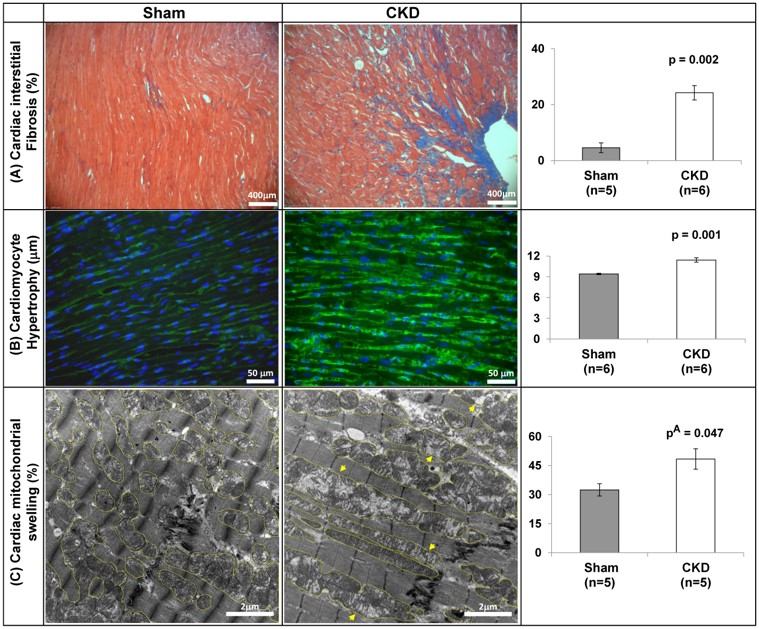 Fig.2 Effect of CKD setting on cardiac histology.2,3
A notable example is research demonstrating the pathological presentation of cardiac mitochondria in a rat model of CKD. This study revealed that CKD induces cardiac interstitial fibrosis, cardiomyocyte hypertrophy, and significant mitochondrial damage, including structural disruption and increased volume. It also highlighted elevated apoptotic markers such as cytochrome C leakage and PARP-1 cleavage. This work underscores the model's utility in dissecting cellular-level mechanisms of cardiorenal pathology.
References
- Tan, Rui-Zhi et al. "An optimized 5/6 nephrectomy mouse model based on unilateral kidney ligation and its application in renal fibrosis research." Renal failure vol. 41,1 (2019): 555-566. DOI: 10.1080/0886022X.2019.1627220
- Bigelman, Einat et al. "Pathological presentation of cardiac mitochondria in a rat model for chronic kidney disease." PloS one vol. 13,6 e0198196. 11 Jun. 2018. https://doi.org/10.1371/journal.pone.0198196
- Distributed under Open Access license CC BY 4.0, without modification.
For Research Use Only.