
hRN/hANG Transgentic Mouse Hypertension Modeling & Pharmacodynamics Service
Introduction
Hypertension, a pervasive global health challenge, significantly elevates the risk of cardiovascular diseases, stroke, and chronic kidney disease. Its complex etiology, often involving the dysregulation of the renin-angiotensin system (RAS), necessitates robust preclinical models for effective therapeutic development.
At Creative Biolabs, we are dedicated to advancing hypertension research by providing access to a diverse array of well-established and highly characterized models, facilitating precise evaluation of novel antihypertensive agents.
hRN/hANG Transgenic Mouse Hypertension Model
The hRN/hANG (human renin/human angiotensinogen) transgenic mouse model is specifically designed to recapitulate human RAS-mediated hypertension. This sophisticated model allows for the study of chronic hypertension driven by the activation of human-specific components of the RAS, offering unparalleled translational relevance for drug discovery. It serves as an invaluable platform for investigating disease mechanisms, evaluating novel therapeutic compounds, and understanding the long-term consequences of elevated blood pressure on various organ systems.
Published Data
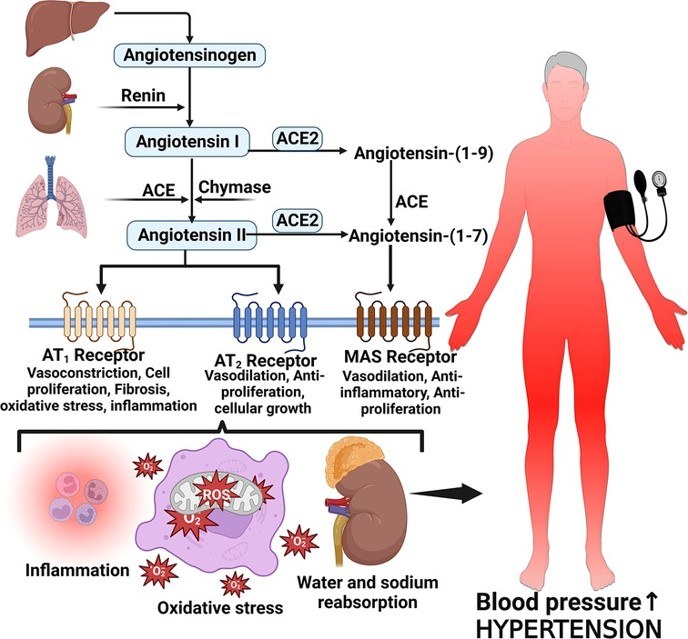 Fig.1 Effects of RAS on blood pressure.1,3
Model Construction Steps
The construction of the hRN/hANG transgenic mouse model involves a precise genetic engineering strategy to overcome species-specific interactions within the RAS. This ensures that the human renin can efficiently process human angiotensinogen within the mouse system, leading to a functional human RAS.
01Generation of Parent Transgenic Lines
Two distinct founder mouse lines are created. One line is engineered to express the human renin gene (hRN-Tg) under a suitable promoter, ensuring its expression in relevant tissues (e.g., kidney). The second line is engineered to express the human angiotensinogen gene (hANG-Tg), often driven by a ubiquitous or liver-specific promoter, as the liver is the primary site of angiotensinogen synthesis.
02Cross-Breeding
The hRN-Tg mice and hANG-Tg mice are then cross-bred.
03Identification of Double Transgenic Offspring
Offspring from this cross are genotyped to identify those carrying both the human renin and human angiotensinogen transgenes (hRN/hANG-Tg, also referred to as double transgenic or chimeric mice).
04Characterization of Phenotype
These double transgenic mice are then characterized for the development of hypertension and associated end-organ damage, confirming the successful activation of the human RAS and the manifestation of a hypertensive phenotype.
Strengths and Limitations
Strengths:
- High Translational Relevance: Directly models human RAS-driven hypertension due to the expression of human renin and angiotensinogen, overcoming species specificity.
- Robust and Sustained Hypertension: Consistently develops chronic hypertension, allowing for long-term studies of disease progression and therapeutic efficacy.
- Mimics End-Organ Damage: Exhibits characteristic cardiac hypertrophy, vascular remodeling, and renal injury, closely mirroring human hypertensive complications.
- Genetic Control: Offers a stable and reproducible genetic background, reducing experimental variability.
Limitations:
- Monogenic Focus: Primarily models hypertension driven by RAS overactivity, which may not fully capture the multifactorial nature of all forms of human hypertension.
- Developmental Aspects: Hypertension develops early in life, which might differ from adult-onset hypertension in some human cases.
- Cost and Time: Generation and maintenance of transgenic lines can be more resource-intensive compared to some other hypertension models.
Evaluation Platform
Creative Biolabs' state-of-the-art evaluation platform is equipped with advanced biochemical, molecular, cellular, histopathological, behavioral, and imaging instruments to provide comprehensive data.
Key Test Indicators:
- Physiological: Blood pressure (tail-cuff, telemetry), heart rate, ECG, cardiac output.
- Biochemical: Plasma renin activity (PRA), angiotensin II levels, aldosterone, oxidative stress markers (e.g., superoxide anion production).
- Molecular: Gene expression (RT-qPCR) of RAS components, inflammatory markers, fibrosis markers.
- Cellular: Cell proliferation, apoptosis, cellular hypertrophy.
- Histopathological: Organ weight, tissue morphology (e.g., cardiac hypertrophy, vascular remodeling, renal damage), fibrosis assessment (e.g., collagen staining), inflammation.
- Behavioral (for neurological outcomes): Neurological deficit scoring, cognitive assessments.
- Imaging: Echocardiography (cardiac function), micro-CT (vascular structure), MRI (brain lesions)
Applications
- Disease Modeling: Accurately simulates human RAS-mediated hypertension and its associated end-organ damage, including cardiac, renal, and vascular complications, as well as specific conditions like ischemic stroke exacerbation and superimposed preeclampsia.
- Drug Efficacy Evaluation: Serves as a robust platform for screening and validating various antihypertensive drug classes, such as Angiotensin Receptor Blockers (ARBs), ACE Inhibitors, direct renin inhibitors, and novel compounds, assessing their impact on blood pressure and organ protection.
- Mechanistic and Translational Studies: Facilitates in-depth investigations into the molecular mechanisms of hypertension and its complications, enabling the identification of new therapeutic targets, evaluation of combination therapies, and discovery of relevant biomarkers for disease progression and treatment response.
Related Hypertension Models
Our Advantages
- Comprehensive Capabilities: Full suite of services from model generation to comprehensive phenotyping and data analysis.
- Translational Focus: Models and methodologies are selected and applied with a strong emphasis on clinical relevance and translatability.
- Quality and Reproducibility: Strict adherence to ethical guidelines and rigorous experimental protocols ensures high-quality, reproducible data.
- Customized Study Design: Flexible and tailored study designs to meet your specific research objectives and drug development needs.
- Dedicated Scientific Support: A team of experienced biologists and project managers to guide you through every stage of your research.
Work with Us
- Summarize the project requirements and fill in the information collection form.
- Sign a CDA from both parties to further communicate information, such as targets.
- Select an animal model, discuss experimental design, and determine assay parameters.
- Project costing and project schedule forecasting.
- We provide a detailed project plan, including the required sample quantities, methods, and protocols.
- Both parties confirm the project details and start the project.
- Confirm the timeline of the project.
- We provide periodic results and information on the animal's condition.
- We will work together to make project adjustments as necessary.
- We provide a comprehensive project report promptly.
- We arrange transportation for the produced samples.
- We provide a discussion of the project results and help to arrange the next steps.
- Data storage and archiving.
Contact Us
Creative Biolabs offers unparalleled expertise and resources in utilizing the hRN/hANG transgenic mouse model to accelerate your hypertension research. We are committed to providing high-quality, translatable data to support your drug discovery efforts. Please contact us to discuss how our services can advance your next project.
FAQs
-
Q1: What makes the hRN/hANG transgenic mouse model uniquely suitable for human hypertension research?
A: This model is uniquely valuable because it expresses both human renin and human angiotensinogen, enabling the formation of human angiotensin II within the mouse system. This directly mimics the human RAS, which is a primary driver of hypertension in humans, thereby offering superior translational relevance compared to models relying solely on endogenous RAS components.
-
Q2: How does the hRN/hANG model overcome the species specificity issue in RAS research?
A: The interaction between renin and angiotensinogen is highly species-specific; human renin does not efficiently cleave mouse angiotensinogen, and vice versa. By introducing both human genes into the mouse genome, the hRN/hANG model bypasses this limitation, allowing for a functional human RAS to operate and induce hypertension, making it an excellent tool for evaluating human-specific therapeutic agents.
-
Q3: What are the typical blood pressure levels observed in hRN/hANG transgenic mice?
A: hRN/hANG transgenic mice consistently develop elevated systolic blood pressure, typically ranging significantly higher than their wild-type littermates. These elevated pressures are sustained, allowing for chronic studies, and are generally comparable to the hypertensive states observed in human patients, making the model highly relevant for drug efficacy testing.
-
Q4: How does Creative Biolabs ensure the quality and reproducibility of studies using this model?
A: Creative Biolabs maintains rigorous quality control measures, including meticulous animal breeding and colony management, standardized experimental protocols, and comprehensive phenotyping. Our experienced scientific team adheres to the highest ethical standards and employs robust statistical analysis to ensure the reliability and reproducibility of all generated data.
-
Q5: What kind of data can I expect from a study utilizing the hRN/hANG transgenic mouse model at Creative Biolabs?
A: You can expect comprehensive data encompassing physiological parameters like blood pressure and cardiac function, biochemical markers of RAS activity and oxidative stress, molecular insights into gene expression, detailed histopathological assessments of organ damage, and, where applicable, behavioral and imaging data to provide a holistic understanding of disease progression and therapeutic impact.
Published Data
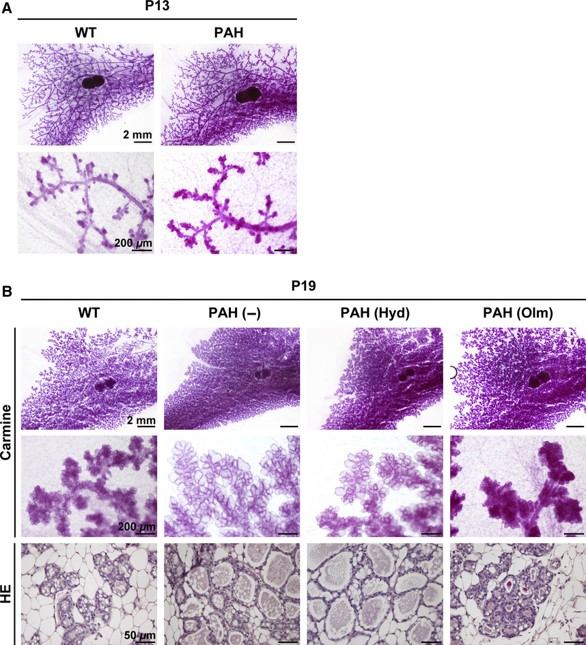 Fig.2 Lobuloalveolar structure of mammary gland in PAH mice.2,3
A compelling study utilized the hRN/hANG transgenic mouse model to investigate the role of AngII in mammary gland development during pregnancy, independent of its hypertensive effects. Researchers found that in pregnancy-associated hypertensive (PAH) mice (a variant of the hRN/hANG model), AngII accelerated mammary gland development. Crucially, treatment with an AT1 receptor blocker suppressed this accelerated development, while another antihypertensive drug did not, despite similarly lowering blood pressure. This project demonstrated that AngII-AT1 receptor signaling directly promotes mammary gland development during late pregnancy, offering a unique insight into the non-pressor effects of the RAS and the specific efficacy of AT1 receptor blockers in this context.
References
- Masenga, Sepiso K, and Annet Kirabo. "Hypertensive heart disease: risk factors, complications and mechanisms." Frontiers in cardiovascular medicine vol. 10 1205475. 5 Jun. 2023. https://doi.org/10.3389/fcvm.2023.1205475
- Murata, Kazuya et al. "Angiotensin II accelerates mammary gland development independently of high blood pressure in pregnancy-associated hypertensive mice." Physiological reports vol. 3,9 (2015): e12542. https://doi.org/10.14814/phy2.12542
- Distributed under Open Access license CC BY 4.0, without modification.
For Research Use Only.