
Genetic Engineering Model Development Services
Introduction
Genetic engineering models are essential tools in biomedical research, allowing scientists to study the genetic basis of diseases and test therapeutic strategies. These models involve the modification of an organism's genome to mimic specific human diseases, providing insights into disease mechanisms and potential treatments. Diseases such as cancer, cardiovascular disorders, neurodegenerative diseases, metabolic syndromes, and autoimmune conditions are commonly studied using genetically engineered models. These models offer a closer approximation of human diseases, making them invaluable for drug discovery, gene therapy development, and personalized medicine. Genetic engineering techniques, such as CRISPR/Cas9, transgenic approaches, and knockout/knock-in technologies, enable precise alterations in the genome, allowing researchers to generate disease-specific models. These models help in understanding the role of specific genes in disease progression, the efficacy of drug candidates, and the development of gene-based therapies. Creative Biolabs offers comprehensive genetic engineering model development services, providing tailored solutions to create precise, disease-relevant models. We utilize cutting-edge technologies to generate transgenic, knockout, or knock-in models for a variety of diseases, ensuring that each model is optimized for your research needs.
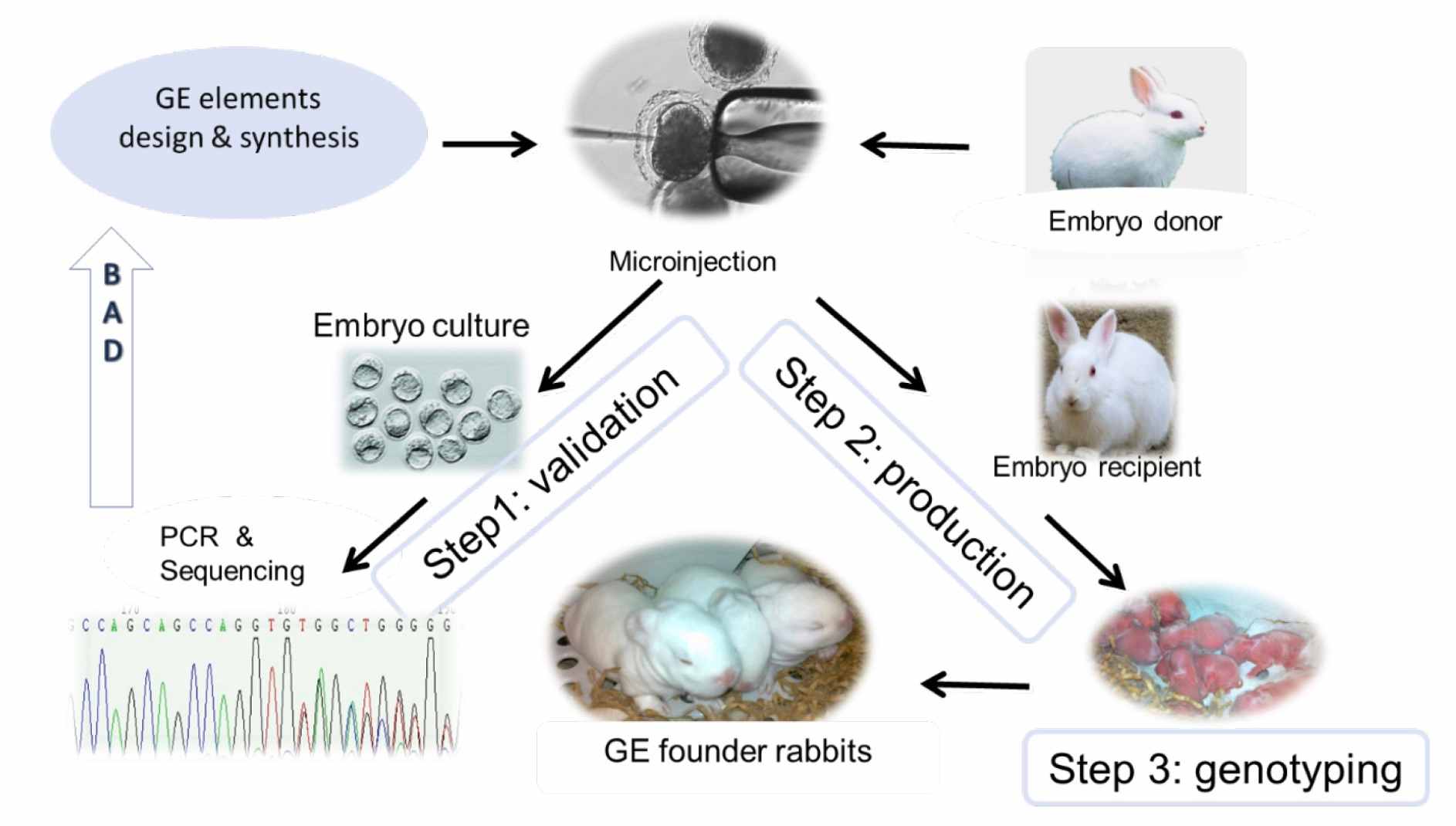 Fig.1 Illustration of GE rabbit production.1,4
Model Creation Technologies
Our platform provides customizable solutions to meet specific research goals, from basic gene function studies to complex disease modeling. We also offer expertise in optimizing genetic modifications for reproducibility and reliability, ensuring models that support both preclinical and translational research.
- CRISPR/Cas9 Genome Editing Mouse Model
- TALEN mediated Genome Editing Mouse Model
- ESC/HR based Gene Targeting Mouse Model
- DNA Microinjection
- Transposon mediated Genome Manipulation
- Lentivirus-Mediated Transfection Technique
- Cre-LoxP System
- Inducible Gene Expression Systems
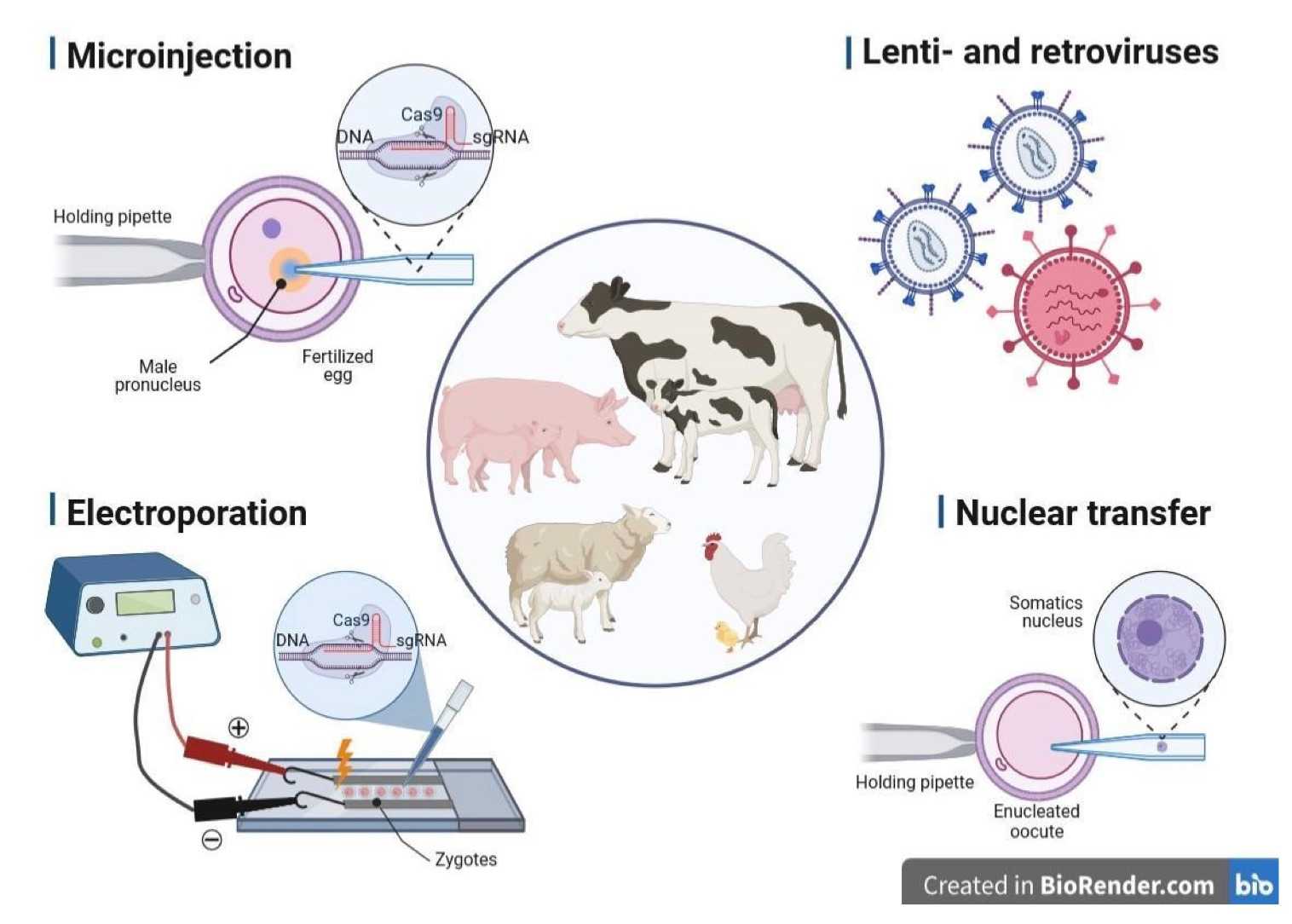 Fig.2 Most popular methods of gene delivery successfully applied in livestock biotechnology.2,4
Our Services
Creative Biolabs offers comprehensive genetic engineering model services, providing customized solutions for creating precise, disease-relevant models to accelerate biomedical research and drug development.
- Knock-out Models
- Knock-in Models
- Knock-down Models
- Humanized Mouse Models
- Point Mutation
- Targeted Conditional Overexpression
- Random Transgene
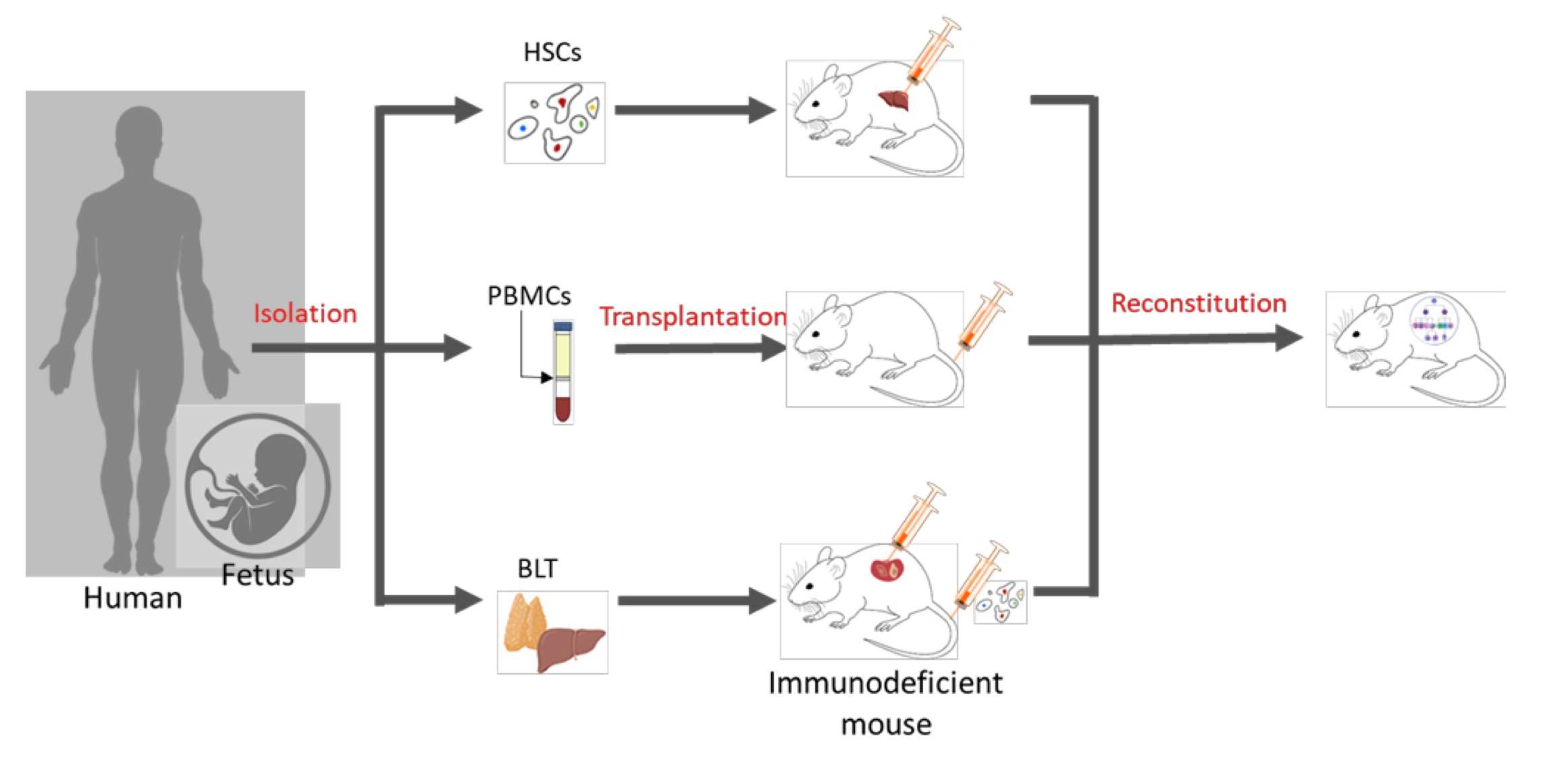 Fig.3 Methods of generating humanized mice.3,4
Applications
- Disease Modeling: Genetic engineering models are critical for replicating human diseases in animals. These models help in studying the genetic basis of diseases like cancer, Alzheimer's, cardiovascular diseases, diabetes, and neurodegenerative disorders. They enable researchers to understand disease mechanisms at a molecular and cellular level, which can be difficult to study in humans directly.
- Drug Discovery and Testing: These models are widely used for preclinical testing of new drug candidates. By mimicking human disease conditions, genetic engineering models allow for the evaluation of a drug's efficacy, safety, and pharmacokinetic profile before clinical trials. They help identify potential side effects and optimize dosing regimens.
- Gene Therapy Development: Genetic models, particularly knock-in and knock-out models, are crucial for developing gene therapies. By modifying specific genes, researchers can study the effects of gene replacement or silencing and evaluate the potential of gene therapies for treating genetic disorders, such as cystic fibrosis or muscular dystrophy.
- Cancer Research: Humanized cancer models, where human tumor cells or immune cells are introduced into animals, are essential for studying tumor growth, metastasis, and immune responses to cancer therapies. These models are used to test novel cancer drugs, immunotherapies, and combination treatments, improving the understanding of cancer biology.
- Immunology and Autoimmune Disease Research: Humanized mice (mice implanted with human immune cells) are extensively used in immunology to study immune responses and autoimmune diseases. They help evaluate the effects of immunotherapies, vaccines, and treatments for diseases like rheumatoid arthritis, lupus, and multiple sclerosis.
- Regenerative Medicine: Genetic engineering models are used to investigate tissue regeneration and stem cell therapies. For example, induced pluripotent stem cells (iPSCs) can be used to generate models for diseases like heart failure or Parkinson's disease, which can then be used to test regenerative treatments.
- Stem Cell and Organ Regeneration Studies: Genetic models help in the study of stem cell biology and organ regeneration. For example, genetic modifications in animal models can aid in the regeneration of damaged tissues or organs, providing valuable information for regenerative medicine.
Our Advantages
- High Reproducibility and Reliability: We prioritize the reproducibility and reliability of our genetic models, ensuring that each model consistently delivers high-quality, reliable results for your research.
- Comprehensive Service Offering: From model creation and custom genetic modification to disease modeling, therapeutic evaluation, and regulatory support, our services cover all stages of preclinical research. We offer end-to-end solutions to meet your needs at every step of the development process.
- Accelerated Research Timelines: Our efficient workflows and experienced team allow us to deliver genetic engineering models within shorter timelines, helping you expedite your research and move faster toward your goals.
- Collaborative Approach: We work closely with clients, providing expert consultation, continuous support, and customization to ensure that our models meet your specific research objectives and align with your therapeutic strategies.
- State-of-the-Art Facilities: Our laboratories are equipped with advanced technologies and infrastructure to support complex genetic modifications, ensuring high-quality results in model development.
- Ethical and Regulatory Compliance: We adhere to the highest ethical and regulatory standards in the development and use of genetic engineering models, ensuring the safety and compliance of our models for both research and clinical applications.
Work with Us
- Summarize the project requirements and fill in the information collection form.
- Sign a CDA from both parties to further communicate information, such as targets.
- Select an animal model, discuss experimental design, and determine assay parameters.
- Project costing and project schedule forecasting.
- We provide a detailed project plan, including the required sample quantities, methods, and protocols.
- Both parties confirm the project details and start the project.
- Confirm the timeline of the project.
- We provide periodic results and information on the animal's condition.
- We will work together to make project adjustments as necessary.
- We provide a comprehensive project report promptly.
- We arrange transportation for the produced samples.
- We provide a discussion of the project results and help to arrange the next steps.
- Data storage and archiving.
FAQs
-
Q1. Can you create custom models?
A1: Yes, we offer custom model development. Whether you need specific gene knockouts, transgenic modifications, or humanized models, we can generate models based on your research goals and requirements.
-
Q2. How long does it take to create a genetic engineering model?
A2: The timeline for model creation depends on the complexity of the genetic modification and the type of model being developed. Generally, gene knockout models take around 6-12 weeks to develop, while more complex models, such as humanized mice or inducible models, may take longer. We will provide a detailed timeline based on your project scope.
-
Q3. What are the advantages of using genetically engineered models in drug discovery?
A3: Genetically engineered models provide accurate, disease-relevant systems for testing drugs, evaluating their efficacy, and identifying potential safety concerns before clinical trials. These models help researchers simulate human diseases, improving the predictive power of preclinical studies and increasing the likelihood of success in clinical development.
-
Q4: Do you offer model testing services in addition to model creation?
A4: Yes, in addition to creating genetic engineering models, we also offer a range of testing services, including drug efficacy testing, toxicology studies, biomarker analysis, and pharmacokinetic assessments. These services help evaluate the effects of treatments on disease progression and drug responses in genetically engineered models.
-
Q5: What animals can you genetically modify?
A5: We primarily use mice, rats, and zebrafish for genetic modifications, as these species are widely used in preclinical research. However, we can also develop models in other organisms upon request, depending on the specific needs of your research.
-
Q6: Are your models validated for use in regulatory studies?
A6: Yes, our models are developed and validated according to industry standards and regulatory guidelines. They are suitable for preclinical studies that may support regulatory submissions, ensuring the safety and efficacy of new therapies.
References
- Xu, Jie et al. "Gene Editing in Rabbits: Unique Opportunities for Translational Biomedical Research." Frontiers in genetics vol. 12 642444. 28 Jan. 2021. https://doi.org/10.3389/fgene.2021.642444
- Popova, Julia et al. "Perspectives in Genome-Editing Techniques for Livestock." Animals: an open access journal from MDPI vol. 13,16 2580. 10 Aug. 2023. https://doi.org/10.3390/ani13162580
- Karnik, Isha et al. "Emerging Preclinical Applications of Humanized Mouse Models in the Discovery and Validation of Novel Immunotherapeutics and Their Mechanisms of Action for Improved Cancer Treatment." Pharmaceutics vol. 15,6 1600. 26 May. 2023. https://doi.org/10.3390/pharmaceutics15061600
- Distributed under Open Access license CC BY 4.0, without modification.
For Research Use Only.