
Rat Warm Kidney Graft Transplant Modeling & Pharmacodynamics Service
Creative Biolabs offers a variety of well-established models to assess kidney graft transplant efficacy. These models allow for the study of immune responses, graft rejection, and the evaluation of potential therapeutic interventions to improve graft survival and kidney function. Whether assessing immunosuppressive drugs, anti-rejection therapies, or novel approaches to enhance graft tolerance, our models offer comprehensive tools to advance kidney transplant research.
Introduction
Kidney transplantation is a life-saving procedure for patients with end-stage renal disease (ESRD). It is considered the most effective treatment for those whose kidneys no longer function properly due to chronic kidney disease (CKD). Kidney transplant is an alternative to long-term dialysis, offering better quality of life and survival rates. However, kidney transplants come with several challenges, including transplant rejection, where the recipient's immune system recognizes the transplanted organ as foreign and attacks it. Acute rejection can occur shortly after transplantation, while chronic rejection may lead to long-term graft dysfunction and failure. Immunosuppressive therapies are commonly used to prevent rejection, but these drugs also come with risks, including infections, malignancies, and toxicity. The need for improved therapies and a better understanding of transplant immunology has made the development of animal models essential for preclinical research.
Rat Warm Kidney Graft Transplant Model
The Rat Warm Kidney Graft Transplant Model involves performing a kidney transplant between genetically matched rats, followed by the reperfusion of the kidney while maintaining its warmth. This procedure mimics the clinical transplantation environment, including the challenges of ischemia and reperfusion injury. The model is widely used to study the immunological mechanisms of graft rejection, assess the effectiveness of immunosuppressive drugs, and explore the early and late stages of graft function. This model’s main advantage is its ability to replicate human transplant conditions, providing a useful system for evaluating acute rejection and graft survival. However, its limitations include the relatively short duration of graft survival, which does not fully replicate the long-term outcomes seen in human kidney transplants. It is particularly effective for studying immediate post-transplant issues like ischemic injury and the early stages of immune response, but less suited for chronic rejection studies.
- Simulates: This model simulates kidney transplantation, including the processes of ischemia, reperfusion injury, and acute immune rejection. It provides insights into the immune system's response to foreign grafts, mimicking the physiological and immunological challenges faced during human kidney transplants.
- Evaluates Drugs: The Rat Warm Kidney Graft Transplant Model is used to evaluate immunosuppressive therapies, anti-rejection drugs, and treatments aimed at improving graft function. It helps assess drugs that target the immune response, reduce ischemia-reperfusion injury, and promote graft survival.
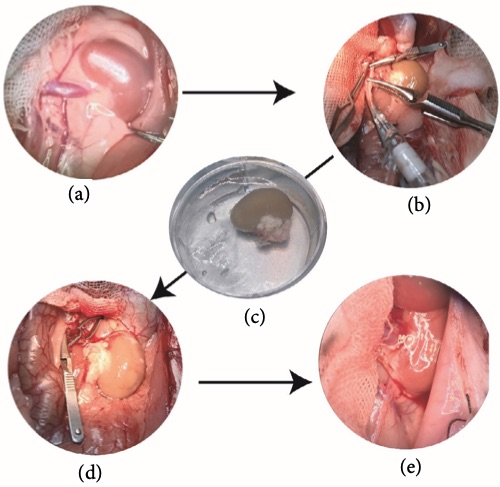 Fig. 1 The protocol of a rat kidney transplantation model.1
Evaluation Platform
- Animals: Mouse, Rat.
-
Measurements
We provide a range of measurements to evaluate the efficacy of treatments in kidney transplant research, including:- General observations: Monitoring body weight, graft color, and overall health, including mortality rates.
- Serum biomarkers: Measurement of kidney function through BUN, serum creatinine, and electrolytes.
- Histopathological analysis: Evaluation of graft tissue for signs of rejection, necrosis, and inflammation using H&E staining.
- Immunohistochemistry: Detection of immune cell infiltration, such as T-cells and macrophages, in graft tissues.
- Cytokine profiling: Analysis of inflammatory cytokines (TNF-α, IL-6, IL-1β) in serum and tissue samples using ELISA.
- Gene/protein expression analysis: RT-PCR and Western blotting to assess changes in immune-related gene and protein expression.
Our expert team assists with experimental design, model selection, and data analysis to ensure a customized and precise approach to your research.
Related Services
In addition to the Rat Warm Kidney Graft Transplant Model, we also offer services using alternative transplantation models. These models provide valuable data on long-term graft survival, immune response, and organ-specific injury mechanisms.
- Rat Delayed Kidney Graft Transplant Model
Our advantages
- Expert Consultation: Our team provides ongoing support with study design, model customization, and data analysis.
- Comprehensive Evaluation: From immune response to graft function, we offer a full spectrum of measurements to support your research.
- Customized Research: We adapt models to meet the specific needs of your study, ensuring targeted, relevant results.
- Cutting-Edge Facilities: Utilizing state-of-the-art equipment and techniques to generate accurate, reliable data.
- Efficient Results: Timely execution of experiments, enabling faster progress in your research.
Work with Us
- Summarize the project requirements and fill in the information collection form.
- Sign a CDA from both parties to further communicate information, such as targets.
- Select an animal model, discuss experimental design, and determine assay parameters.
- Project costing and project schedule forecasting.
- We provide a detailed project plan, including the required sample quantities, methods, and protocols.
- Both parties confirm the project details and start the project.
- Confirm the timeline of the project.
- We provide periodic results and information on the animal's condition.
- We will work together to make project adjustments as necessary.
- We provide a comprehensive project report promptly.
- We arrange transportation for the produced samples.
- We provide a discussion of the project results and help to arrange the next steps.
- Data storage and archiving.
FAQs
-
1. How long can the graft survive in the Rat Warm Kidney Graft Transplant Model?
The graft typically survives for up to 7–14 days post-transplant, allowing for the study of acute rejection and early graft function.
-
2. Is this model suitable for chronic kidney transplant rejection studies?
While ideal for acute rejection studies, this model may not be suitable for long-term chronic rejection studies. For those, extended models or genetically modified rats are recommended.
-
3. What types of drugs can be tested using this model?
This model is ideal for testing immunosuppressive drugs, anti-inflammatory agents, and therapies targeting ischemia-reperfusion injury and graft survival.
Published Data
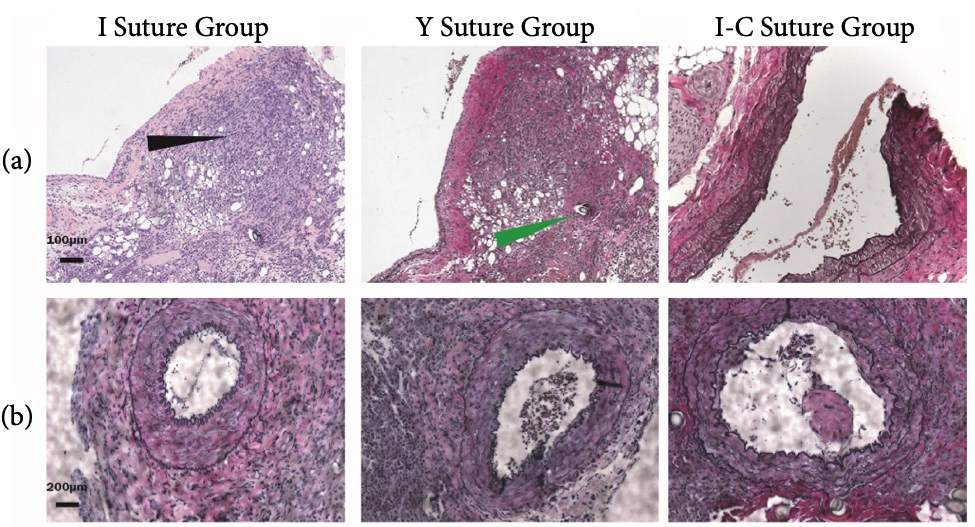 Fig. 2 The histopathological characteristics of arterial walls on day 7 post-operationally.1
In a Fisher-to-Lewis rat kidney transplantation model, renal artery anastomosis was performed using three different suture techniques: interrupted (I), Y-shaped continuous (Y), and anterior-interrupted with posterior-continuous (I-C) suture techniques. Histopathological analysis of the arterial walls was conducted on day 7 post-surgery. (2a) Hematoxylin-eosin staining of the artery revealed histopathological changes at the anastomotic site, including thickening of the connective tissue (indicated by the black arrow), with residual suture material visible (green arrow). (2b) Representative images of Verhoeff’s van Gieson staining of the arterial wall in the three groups clearly showed the elastic fiber layer (black wavy line) and the red collagen fiber layer within the vascular wall. A small amount of thrombus was observed in the endothelial layer of the lumen, especially in the I suture group, where the blood vessel staining highlighted the presence of the thrombus.
Reference
- Lu, Lan-Tao et al. "Anterior-interrupted and posterior-continuous suture technique improved the success rate of kidney transplantation model in rats." Acta cirurgica brasileira vol. 39 e396024. 20 Sep. 2024. https://doi.org/10.1590/acb396024 Distributed under Open Access license CC BY 4.0, without modification.
For Research Use Only.